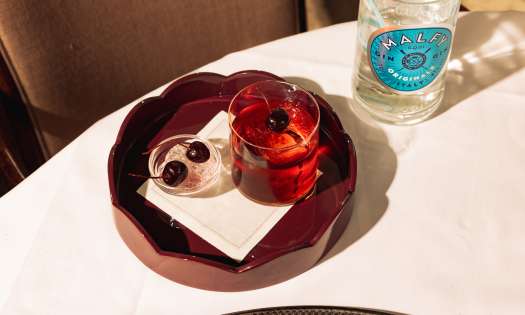
Mezcal, tequila, mango chutney syrup and chilli. Very good. I could happily have ordered another while considering dinner, a process I see no reason to rush.
Top Table: Oudh 1722
By
yvette legge
on
4th November 2026
After the success of Opheem in Birmingham - the city's first two Michelin-starred restaurant - chef Aktar Islam has opened his debut London restaurant in Borough. Yvette Legge swings by Oudh 1722 and discovers one particularly memorable dish that she's still talking about to this day.
I like a restaurant with a backstory. Ideally, someone else has done the reading and I’m holding a margarita. At Oudh 1722, Aktar Islam’s first London restaurant, this arrangement worked very well.
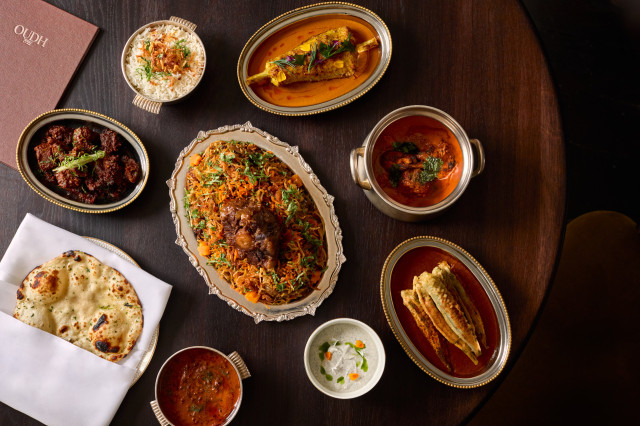
The story begins in Awadh, a region of northern India also known as Oudh. Its nawabs, the aristocratic rulers whose dynasty began in 1722, presided over a culture of lavish hospitality. Lucknow, their later capital, became celebrated for fragrant rice dishes, finely spiced kebabs and elaborate feasts. Islam has brought those culinary traditions to Borough, along with a Mango Chutney Margarita that deserves a little historical recognition of its own.
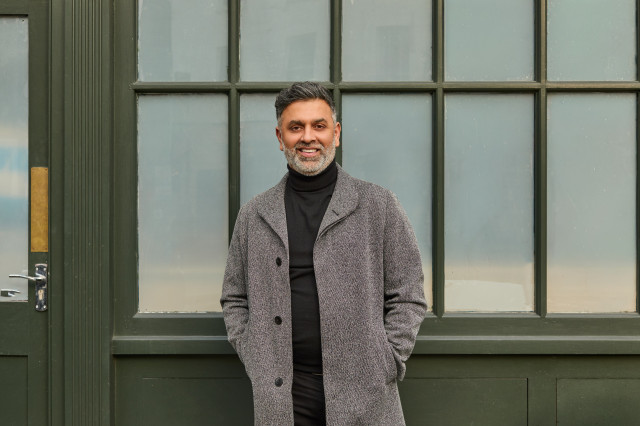
Islam will be familiar to anyone who organises a weekend around a restaurant reservation, then finds somewhere nearby to sleep. I am anyone. His Birmingham flagship, Opheem, earned its first Michelin star in 2019 and its second in 2024. Born and raised in the city, he began cooking in his father’s restaurant at 13. Decades later, his London debut explores Awadhi cooking through British produce.
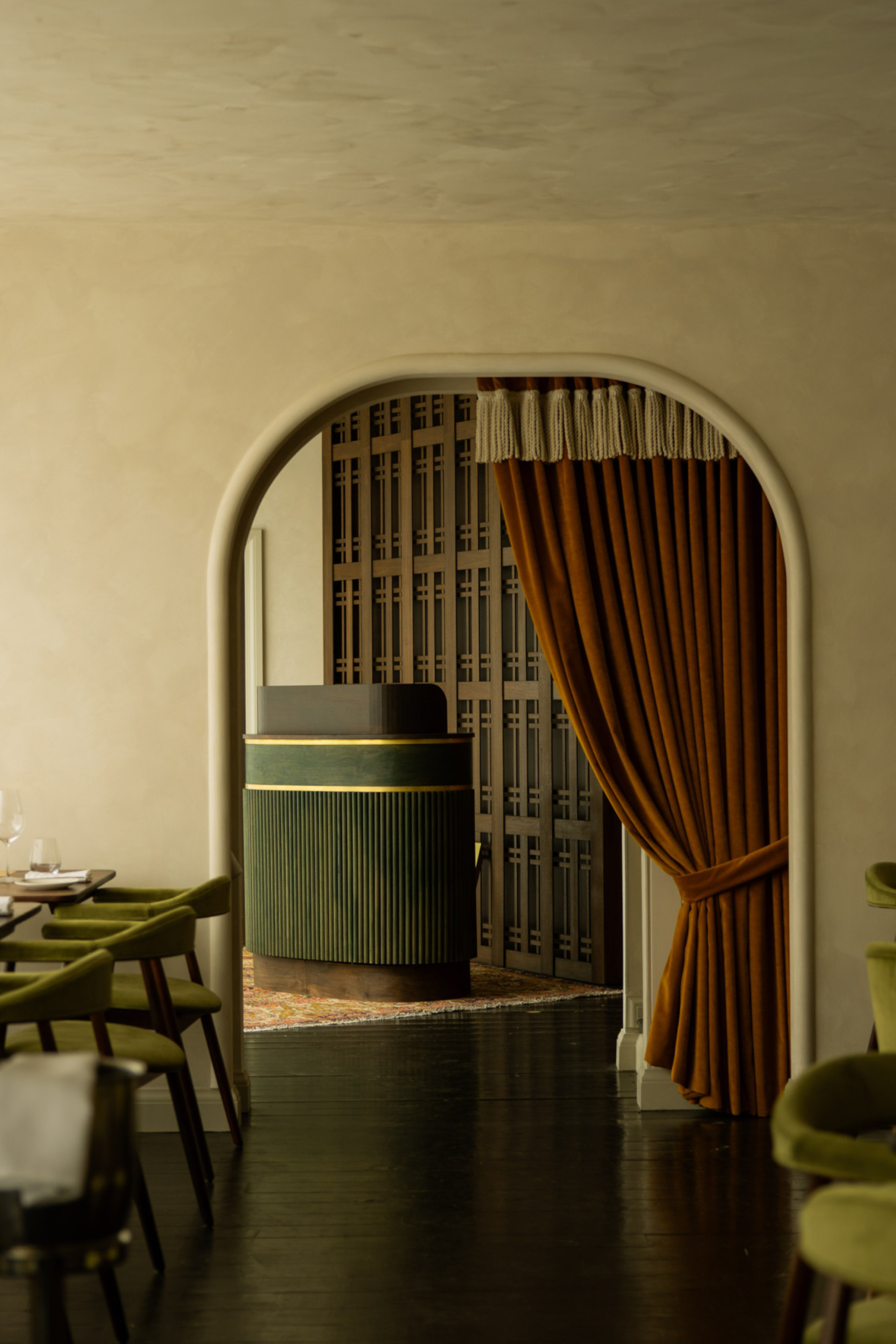
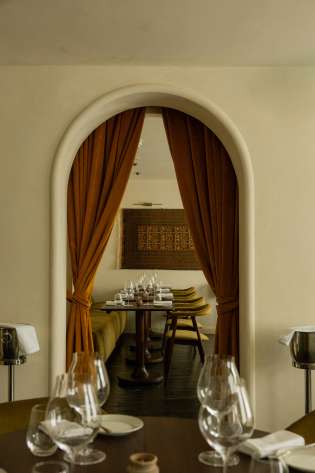
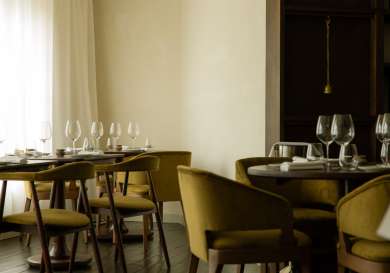
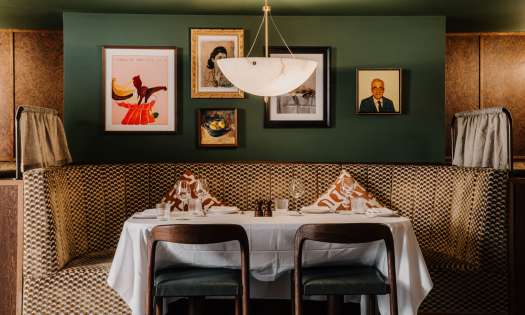
The restaurant occupies three floors of a listed Victorian building. Designer Polina Sychova worked with Islam on interiors featuring walnut, green tiles, velvet and limewashed surfaces, with antiques sourced from Lucknow. Upstairs, a lounge sits beneath a hand-painted ceiling. There is plenty of detail, but the connection to the food’s origins goes beyond choosing a flattering shade of green.
The service was excellent. I felt properly looked after, which matters rather more to me than whether a chair has an interesting biography. A famous chef gets people through the door; the team looking after the tables has to take it from there. Here, they deserve their own applause.
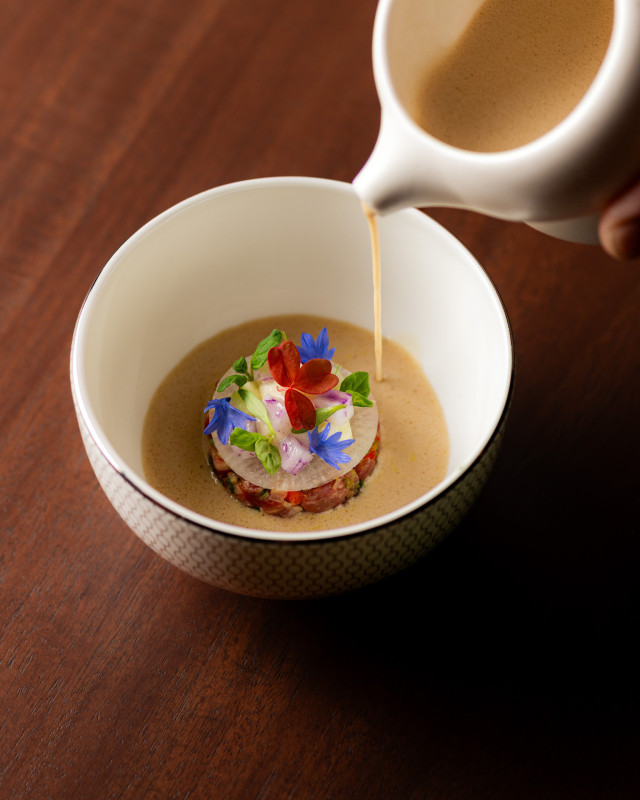
The menu opens with shorba, a traditional broth, followed by naashta, street-style snacks. Gol guppa are crisp hollow shells served with potato, sprouting mung beans and a spiced liquid to pour inside. Chaat combines white peas, potato and yoghurt with sev, fine, crunchy chickpea-flour noodles.
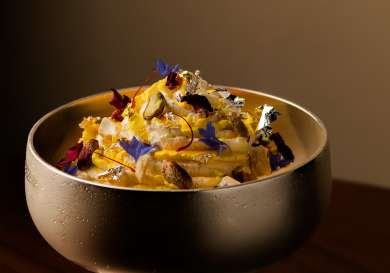
My most memorable dish was the malai murgh: chicken leg with cardamom and black cumin. A fairly restrained description, considering the chicken foot extending beyond the plate.
I’m aware chickens have feet. I simply hadn’t expected quite such a formal introduction.
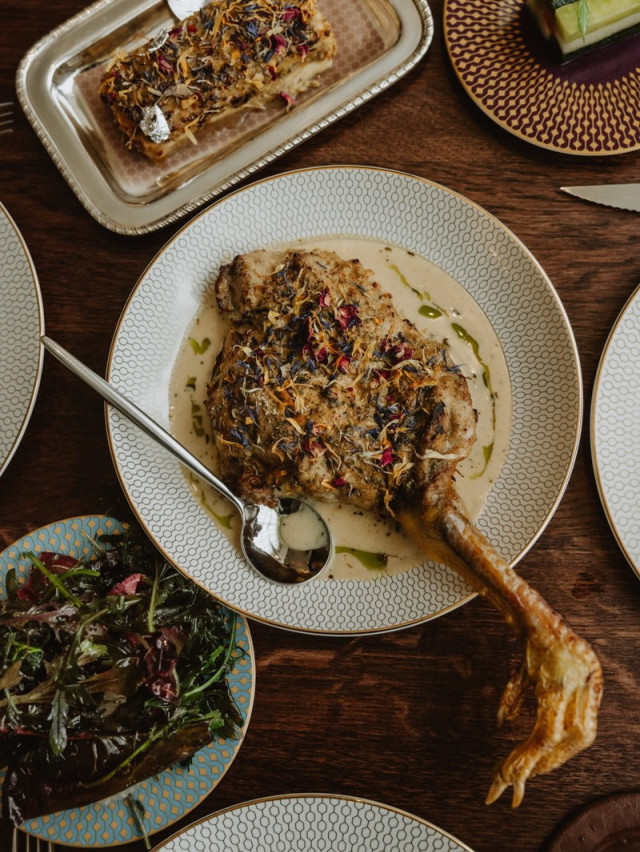
The presentation is otherwise delicate: charred chicken, pale sauce, scattered petals. Flowers and a fully attached foot make for an unusual aesthetic, but once I’d finished taking stock, I enjoyed it. It was good, interesting cooking. The menu had said chicken leg, after all. I could hardly accuse anyone of withholding the evidence.
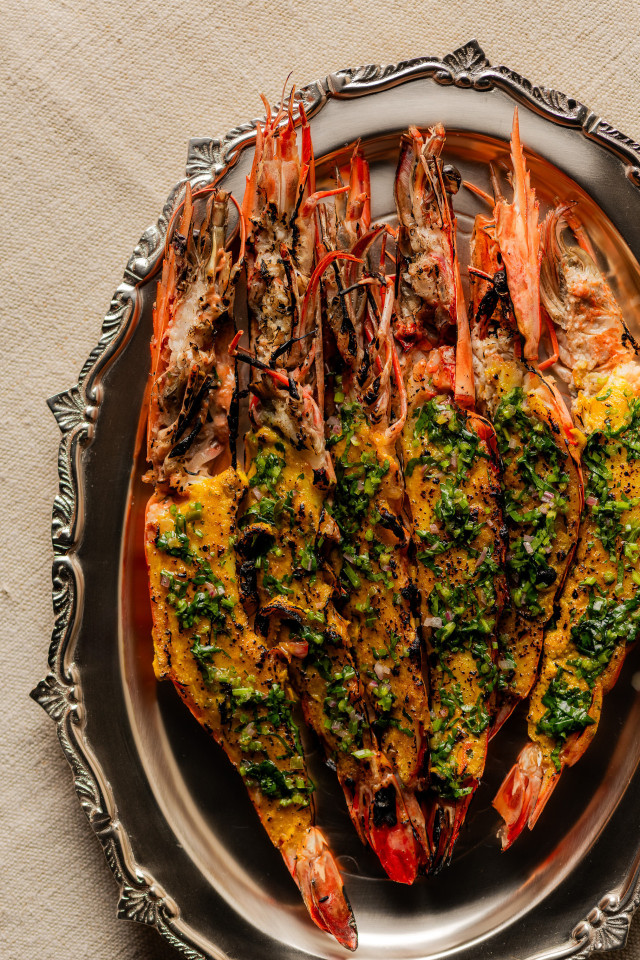
Elsewhere, lasooni jinga pairs king prawn with garlic and raw mango. Dahi paneer combines the firm, fresh Indian cheese with cultured cream and fenugreek, an aromatic herb; lamb cutlets come with sultanas and dates.
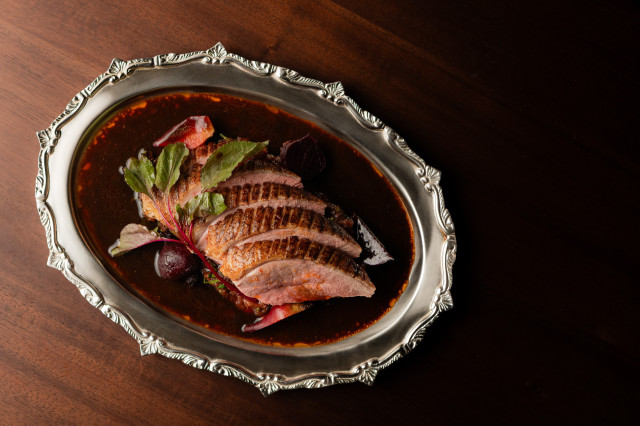
Slow cooking is central to the kitchen. The dum technique encloses ingredients in a sealed vessel, keeping moisture and fragrance inside. Options include smoked lamb shoulder for two and mutanjan dum biryani, combining oxtail, aged basmati rice and sweet carrot. Awadhi qorma brings lamb neck together with an almond yoghurt sauce.
Vegetables include pumpkin with yoghurt and aromatics, and cauliflower with cashew nuts and poppy seeds. Mint paratha, a layered flatbread, and naan finished with coriander and ghee, clarified butter, provide further scope for extending dinner.
Desserts include ras malai, soft milk-curd dumplings soaked in sweetened milk, with pistachio and cardamom. Nimish takes the form of milk soft serve with saffron, mango and rose.
Excellent service, a margarita worth remembering and a chicken dish I’m still talking about. I’d happily order the last two again. Though I might suggest the menu adds “pedicure pending”.
Address: 66 Union St, London SE1 1TD
Share this Article
You Might Also Like
-
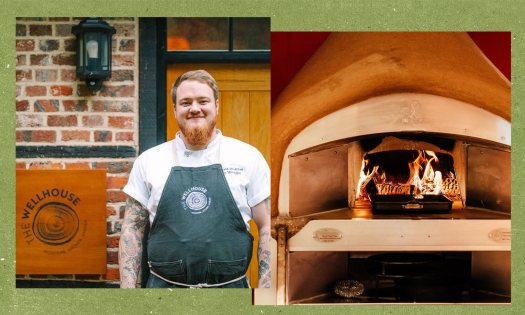

Meet The Chef: Tom Younger of The Wellhouse
In this edition of Meet The Chef, Tom Younger tells The Sybarite about how his mum shaped his career, his passion for wood-fired cooking, and how he approaches sustainability in the kitchen.
-
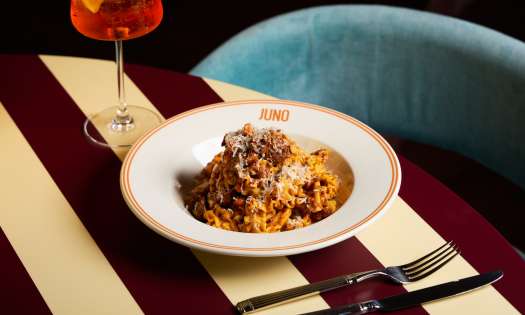
Pasta Week: Ten Tables, No Restraint
From hearty bowls of pappardelle at Carmelina's to Legare's spaghetti with clams, Yvette Legge rounds up some of the best spots in London ahead of World Pasta Day.
-
What’s On Our Radar This Month: October 2026
From the hottest autumnal menus to sensual scents that pack a punch, here are 12 things on The Sybarite’s radar this October.
-
Best Negronis In London For Negroni Week 2026
From classic Negronis in Mayfair to truffle, mezcal, pandan, rhubarb, Earl Grey and coffee-spiked twists, these are the best Negronis in London to drink this September.
-

What’s On Our Radar This Month: September 2026
From the hottest new collaborations to the ever-evolving restaurant scene, here are 17 things on The Sybarite’s radar this September.
-

Top Table: MATER1A
Chef Victor Garvey boasts an impressive CV, with previous roles at the likes of El Bulli, Picasso at the Bellagio in Las Vegas and Noma in Copenhagen. Setting his eyes on London, he opened Rambla in 2017, and later Sola in 2019, which scooped a Michelin star and 3 AA Rosettes. His latest venture, Mater1a, taps into Garvey's years spent in Japan.