Baldwin Ho discovers magical Arctic landscapes, community spirit, a cultural hub, and a unique cuisine shaped by local produce.
Greenland has frequently been the subject of many headlines lately. But more often than not, geopolitical reasons have dominated over stories concerning the island’s natural beauty.
The island, which is an autonomous territory of the Kingdom of Denmark, boasts striking Arctic landscapes, a dynamic Inuit culture, and rare wildlife-watching opportunities. As there are generally no roads connecting the towns in Greenland, the best way to explore this final frontier is by cruising with the likes of HX Expeditions.
Greenland - Why Now?
From the moment you board Air Greenland from Copenhagen to Nuuk (all arranged with consummate ease by HX Expeditions), the local Inuit community’s sense of patriotism is immediately palpable. The in-flight entertainment, meanwhile, includes deeply moving documentaries like Twice Colonized. It follows renowned Inuit lawyer and activist Aaju Peter, as she highlights the profound effects of systemic assimilation and colonisation by Denmark.
Greenland is at a crossroads, where its own local identity can either flourish, or become another smaller jigsaw piece in the grand American or European project. As it stands, visitors will predominantly encounter independent restaurants, boutique craft shops, and quirky museums documenting local life, as opposed to the limited American encroachment of a solitary Burger King in Sisimiut.
With global warming accelerating rapidly, there’s also a question hanging over Greenland’s head with regards to overtourism.
With its limited infrastructure, the best way to explore the island now is via a responsible travel cruise company like HX Expeditions. They work directly with the local communities to curate their excursions, serving to benefit the local economy and culture.
Exploring Greenland's Cultural Coast
The adventure starts in Nuuk, Greenland’s capital. Those under the impression that the island is all about ice fjords and pristine glaciers while lacking in culture, will swiftly be proven wrong as soon as they step foot in the capital. The Greenland National Museum, for instance, takes visitors on a journey through 4,500 years of Arctic history, covering historic skin boats, ancient Inuit antiquities, and the jewel in the museum's crown, the Qilakitsoq Mummies. Beyond this, the cruise provides knowledgeable guided tours of the museum, so you don't have the unenviable task of sifting through millennia of history searching for highlights.
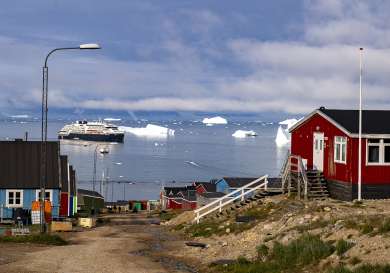
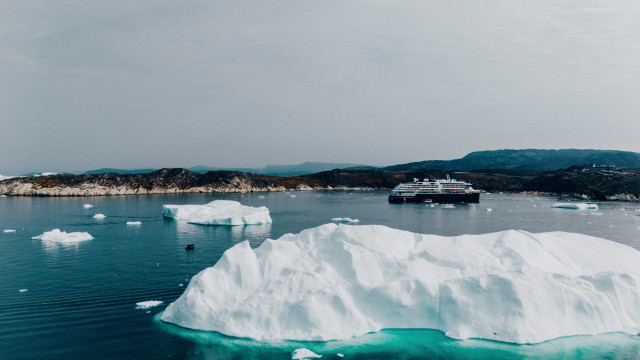
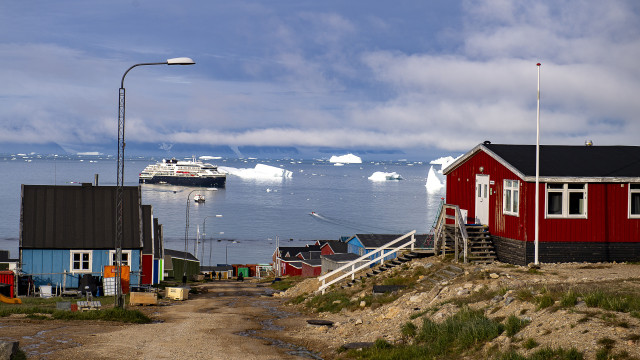
At the next stop, Ilulissat, make sure to visit the Icefjord Centre - you’ll leave with a deep appreciation for glaciology and nature conservation. From there it is just a short trek to the UNESCO World Heritage Site of Ilulissat Icefjord, home to massive floating icebergs in Disko Bay. It is widely hypothesised that the infamous iceberg that struck the Titanic in 1912 came from this region.
In Uummannaq, there are a number of historic buildings which form a part of the Uummannaq Museum, including the town’s old hospital and former whale blubber factory which houses a collection of regional objects.
The low-ceilinged turf huts in the centre of town are a time capsule of what life was like in the town back in the 1980s, when the last residents moved out. For an immersive experience, the cruise will arrange a walking tour to see local Greenlandic dogs - the world’s oldest domesticated dog breed which are used as working dogs, mostly for hunting.
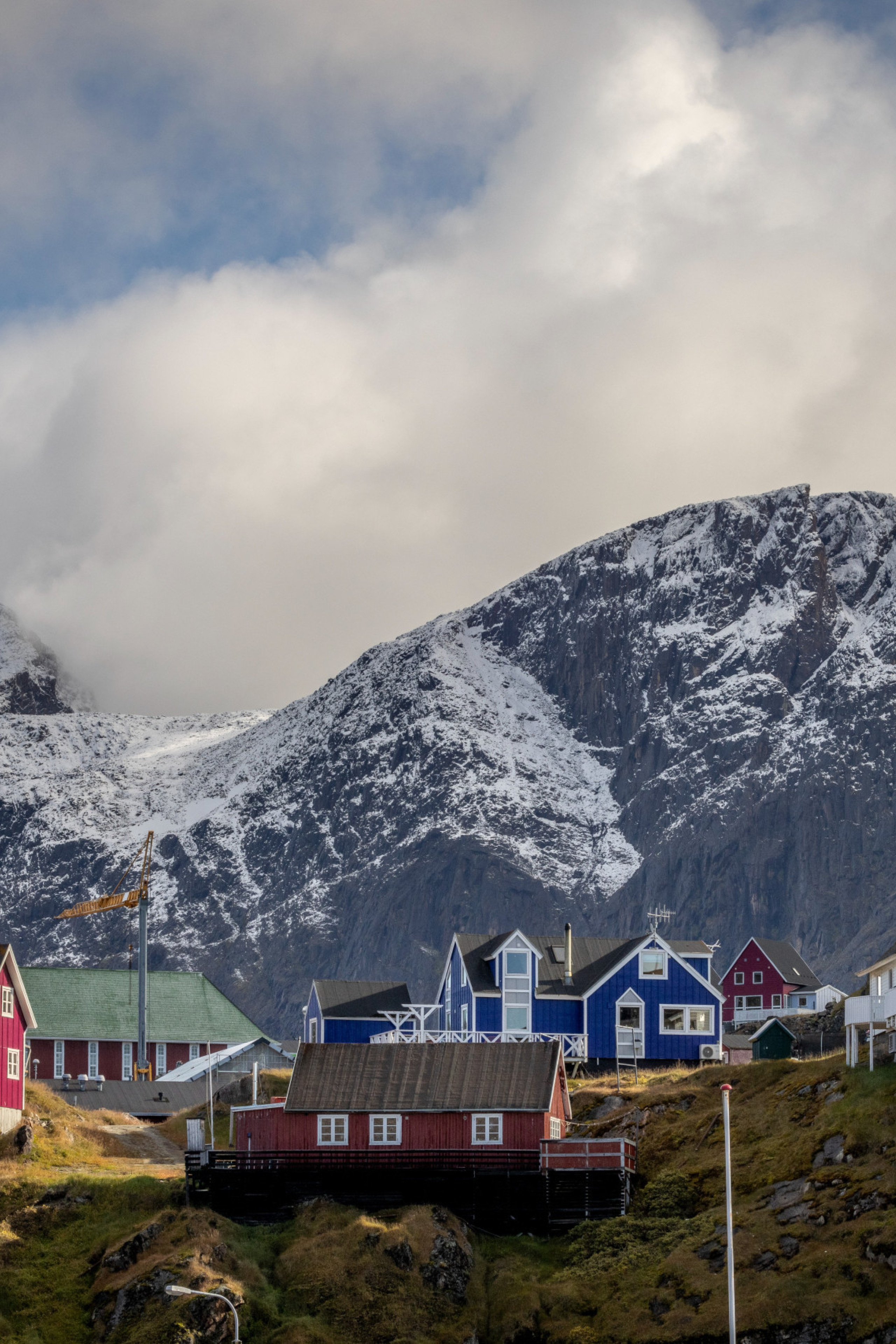
At the penultimate stop in Sisimiut, the local museum is more of a cultural hub that encompasses several colonial-era buildings. A major highlight is The Bethel Church (also known as the Blue Church) as it’s the oldest surviving church in Greenland and was consecrated in 1775.
Immersing Yourself With The Locals
HX Expeditions hasn't built up a loyal fanbase for no reason. Their ability to connect you with the local community and culture is second to none. On the food front, seafood lovers should opt for the exclusive Tide-to-Table experience in Ilulissat. The hands-on fishing journey involves sailing off with a local sea captain and their in-house Greenlandic chef to find your catch for that evening's tasting menu dinner. If you're lucky, you might land an Arctic cod or a Greenland halibut. Crucially, HX Expeditions successfully balances marine conservation with deep respect for local cultures and traditions.
After the fishing trip, guests are driven to a local household for a traditional kaffemik. The word roughly translates to "via coffee" and is a traditional Greenlandic House celebration, where you share a strong brew along with an assortment of local delights such as shrimp and narwhal salad, lumpfish roe, and capelin.
In Uummannaq, you’ll get the chance to observe and try your hand at dancing the polka alongside residents in their community hall. The Kalattuut (Greenlandic polka) is a lively traditional folk dance which originated from Europe and was introduced by 17th-century whalers and sailors. Over time, residents have incorporated quirky local steps and movements to make this a uniquely Greenlandic experience.
Whilst on board, guests can expect to meet cultural ambassadors like Aleqatsiaq Peary, the great-great-great-grandson of the American polar explorer Robert Peary. He has a wealth of stories to share about the hunting traditions of the local communities as well as the importance of respecting nature.
“The land does not belong to us,” he famously says. “We belong to the land.”
Sailing With MS Fridtjof Nansen
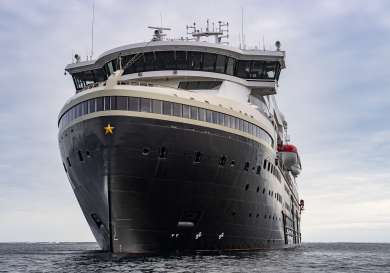
The sailing conditions in the Labrador Sea were generally very smooth as the ship is equipped with state-of-the-art stabilisers. It’s also a Polar Class 6 (PC-6) ice-strengthened expedition ship and one of the largest ships in the HX Expeditions fleet complete with 265 staterooms. Although the focus is on polar and wildlife expeditions, the overall experience feels upscale and premium.
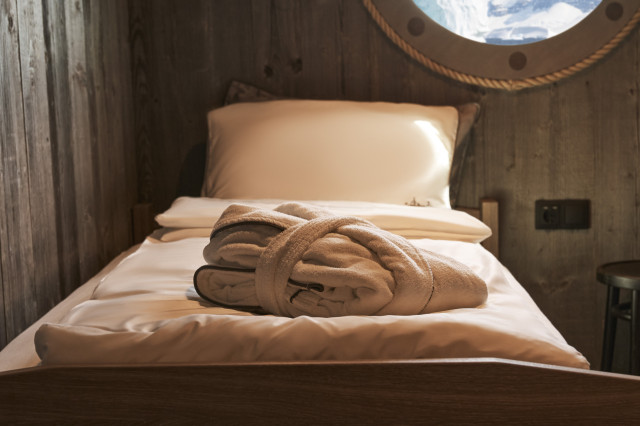
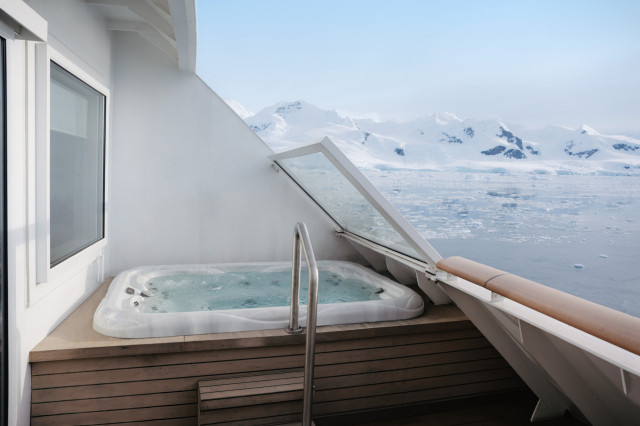
As for the interiors, the cabins are all outside facing, with around half boasting private balconies. The aft suites include private outdoor hot tubs. They have also created a special 1896 cabin aboard the MS Fridtjof Nansen to commemorate their 130th anniversary this year. The immersive room has been historically recreated to resemble a late 19th-century polar expedition cabin. Features include a rustic, old-fashioned wooden toilet seat and a stone-effect stove. For sailings in 2026, rates are available at €100 per person, per night as a one-night optional add-on upgrade. The proceeds all go towards HX Foundation which supports worthwhile causes and projects such as Nuuk Pride.
All guests receive a complimentary wind-and water-resistant HX expedition jacket, as well as a branded backpack and a refillable water bottle. Rubber boots are free to use during the trip and come in very handy for the occasional wet zodiac landings. Binoculars are provided for upper-tier suites.
Adventure aside, there’s also a strong focus on wellness and fitness. They have a commodious panoramic sauna, which wouldn't look out of place on a luxury cruise liner, in addition to an outdoor infinity pool with multiple hot tubs and a 150-metre outdoor running track on the top deck. If you’re suffering from post-hiking aches, their talented masseur will scour the treatment menu to find the perfect, soothing antidote for you.
Is Greenlandic Cuisine The Next Big Foodie Discovery?
One of the most enlightening experiences on the cruise is discovering the joys of Greenlandic cuisine which focuses on ingredients readily available from the surrounding areas. Notably, there is a strong focus on marine mammals, fish, and game meat such as free-range muskox and reindeer. Foraging is also hugely popular, with locals scooping up wild berries such as crowberries, blueberries, and alpine bearberries. For those looking to sample the local cuisine, make sure to try Greenland’s national dish, suaasat (a traditional meat and barley soup).
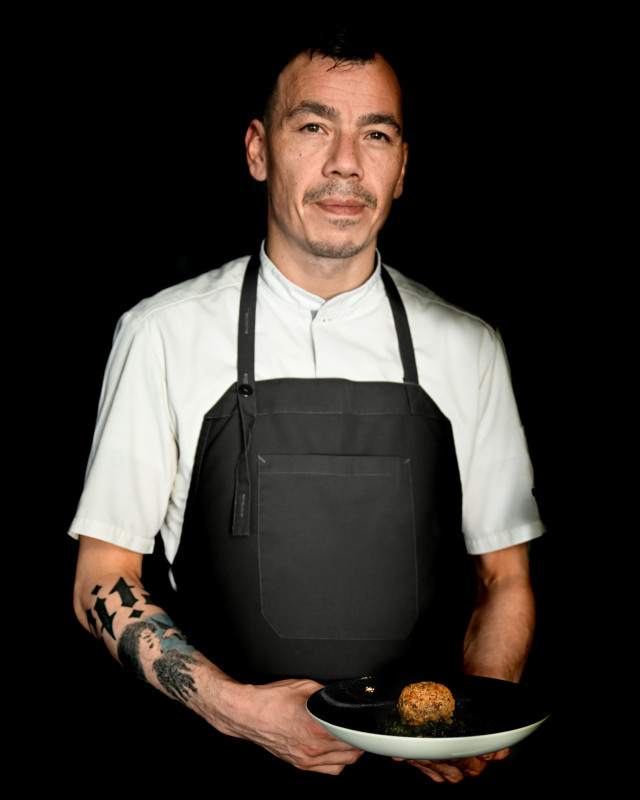
On board the MS Fridtjof Nansen, renowned Greenlandic chefs, Inunnguaq Hegelund and Laasi Biilmann have taken Greenlandic cuisine to new heights by combining local ingredients with haute cuisine execution.
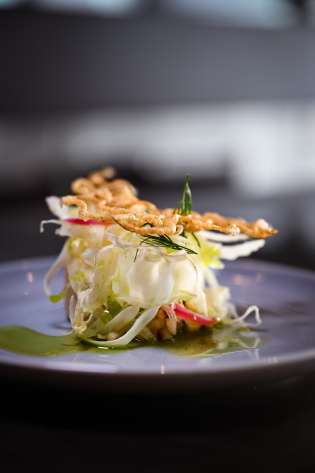
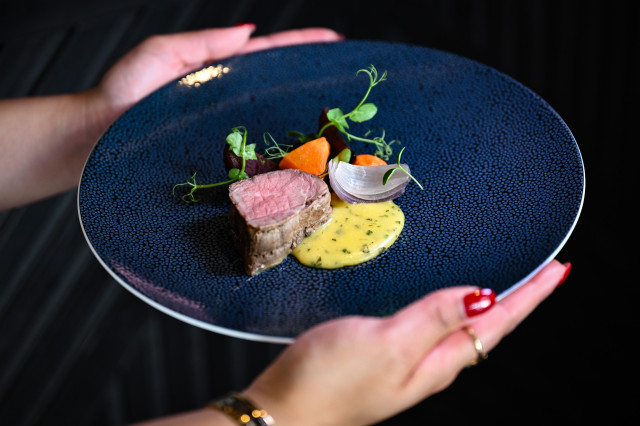
Regional cuisines are served regularly at the Fredheim restaurant, but the Greenlandic tasting menu evenings are always the most popular. Expect to feast on a classy halibut tartare served with soy-cured egg yolk followed by an umami-filled shrimp bisque topped with dill oil.
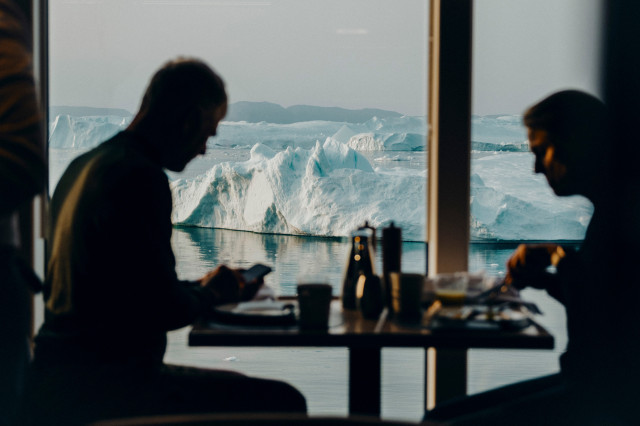
If Michelin inspectors visited cruise ships, this would certainly be a top contender. They also have a fine dining restaurant in Lindstrøm as well as a main sit-down restaurant in Aune, so meal times are never a crowded affair.
Enriching Your Experience With Science and Wildlife
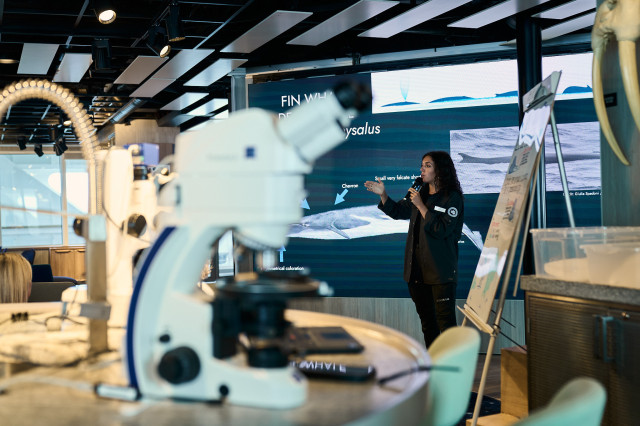
When it comes to science and wildlife, the cruise hosts the most engaging lectures with experts in their respective fields. One moment you might be learning about the secrets of Greenlandic cuisine with Chef Inunnguaq Hegelund, the next, you’re learning that orcas (killer whales) and pilot whales are, in fact, dolphins. All the lectures are available for viewing in the comfort of your own staterooms.
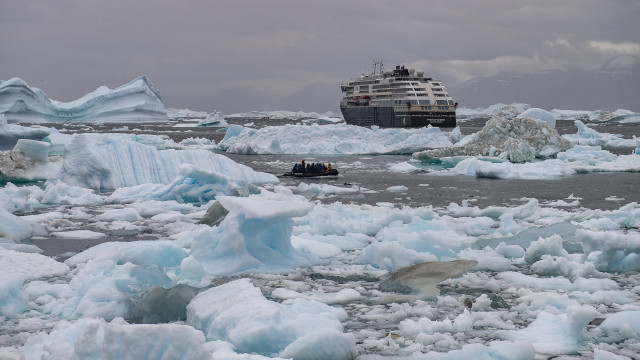
On top of this, they also conduct nature landings and zodiac cruises, so you can observe the flora and fauna up close in a respectful manner. They offer zodiac science safaris, where you can assist their on-board scientist to collect environmental data. For the adventurous, you can kayak around icebergs and get relatively close to the Maniitsoq ice cap in the majestic Fjord of Eternity.
In short, sailing with HX Expeditions in Greenland allows you to step into the boots of a pioneering adventurer of yesteryear, minus the rough conditions of Odysseus returning from Troy. Expeditions are designed to reinvigorate your senses, delivering the perfect combination of luxury, enlightenment, and escapism.
Baldwin Ho was a guest of HX Expeditions.
For more information about expedition cruising in Greenland with HX Expeditions, please click here.
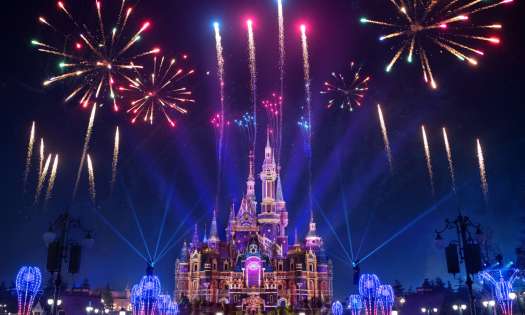
Disneyland may not immediately sound like the definition of luxury, but there is no denying that this world-renowned theme park holds a special place for families from every walk of life. From celebrities such as Kourtney Kardashian, who has shared glimpses inside her frequent Disneyland visits, to families finally ticking a long-awaited trip off their wish list, or even friends making it their mission to celebrate a unique birthday, Disney has an extraordinary ability to appeal to everyone.
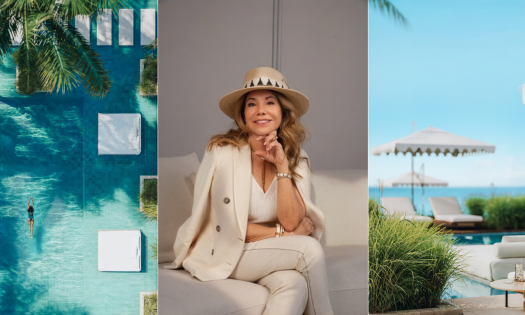
In this edition of Women Who Launch, The Sybarite talks to Penrod about the evolution of Nikki Beach Hospitality Group, from its original outpost on Miami Beach to resorts and residences in Antigua, Oman, Ras Al Khaimah, Marrakech and Azerbaijan.
Known for its minimalist design and wellness philosophy, Alila isn't the first hotel brand that comes to mind when travelling with children. But hidden inside Alila Shanghai is one of the most imaginative family suites we've ever experienced, complete with a vintage Shanghai tram bunk bed, fairytale interiors and thoughtful touches that encourage children to swap screens for imagination.
In Brief: The best luxury concierge companies in London include Velocity Black for app-based requests, The Sybarite for curated experiences and global event access, Knightsbridge Circle for invitation-only membership, Nota Bene Global for insider travel and Quintessentially for worldwide coverage. Membership ranges from £7.99 a month at entry level to around £150,000 a year, and most top-tier services are priced on application.
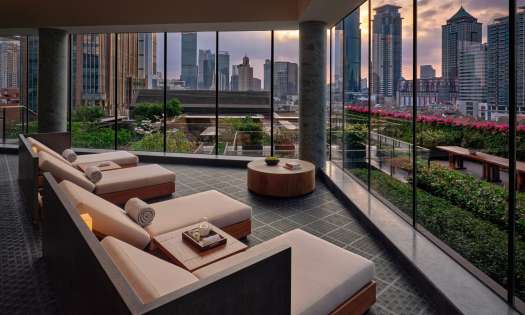
The second Andaz Shanghai has arrived in the heart of the city's commercial district, bringing together contemporary design, strong Shanghainese influences and a convenient city-centre location. After two nights at Andaz Shanghai ITC, we found it to be a particularly convenient choice for families, couples and business travellers looking for a modern city hotel without unnecessary fuss.
For those planning more than just a weekend in Shanghai, IFC Residence offers something many luxury hotels cannot - a genuine sense of home. Combining spacious apartment-style living with five-star hotel service, it has become our top recommendation for families, business travellers and anyone wanting to experience Shanghai comfortably without compromising on luxury.