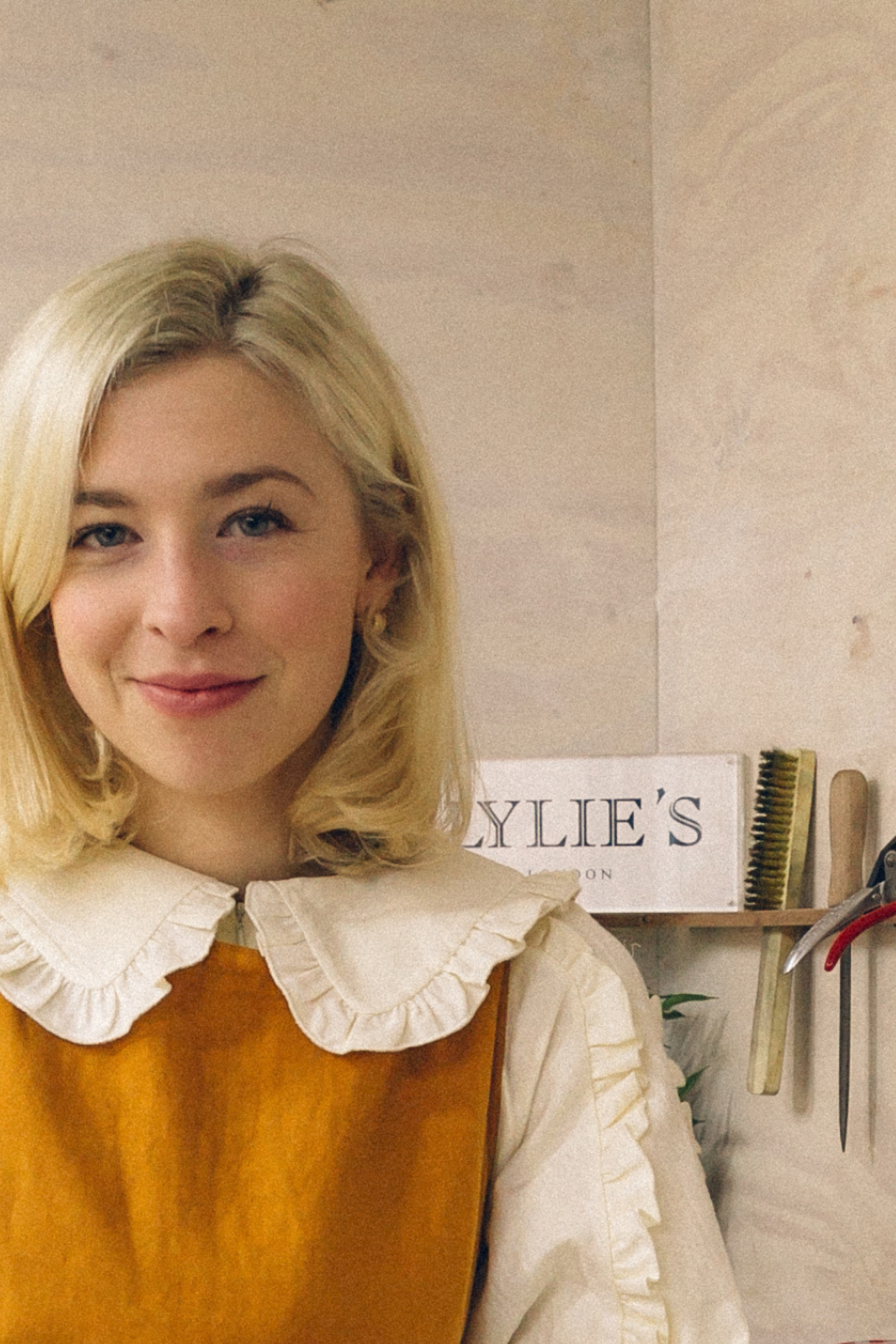
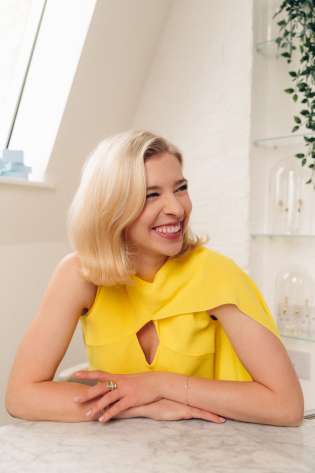
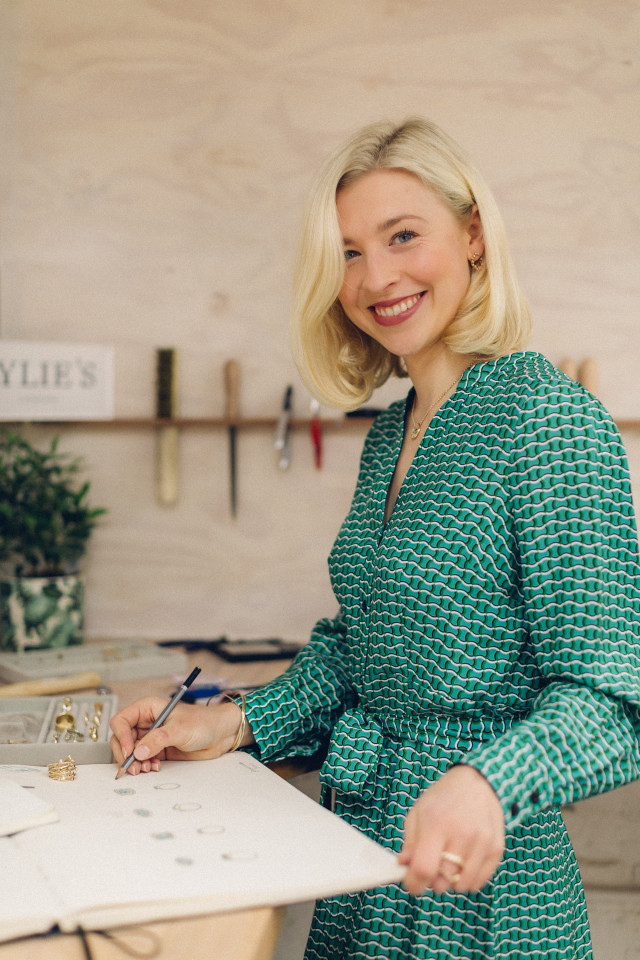
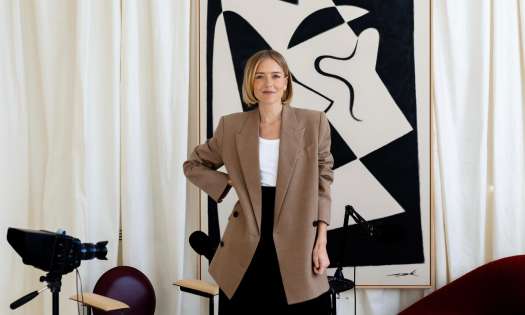
Phoebe Tatham talks lab-grown diamonds and recycled gold with LYLIE Jewellery founder, Eliza Walter
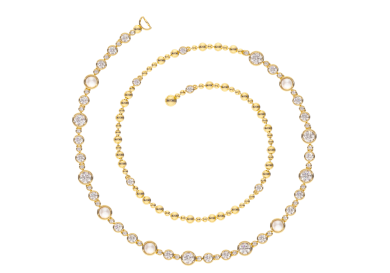
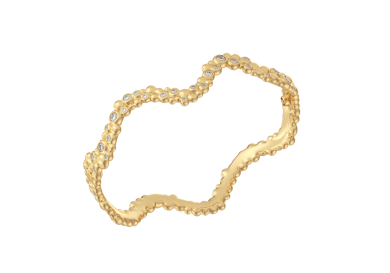
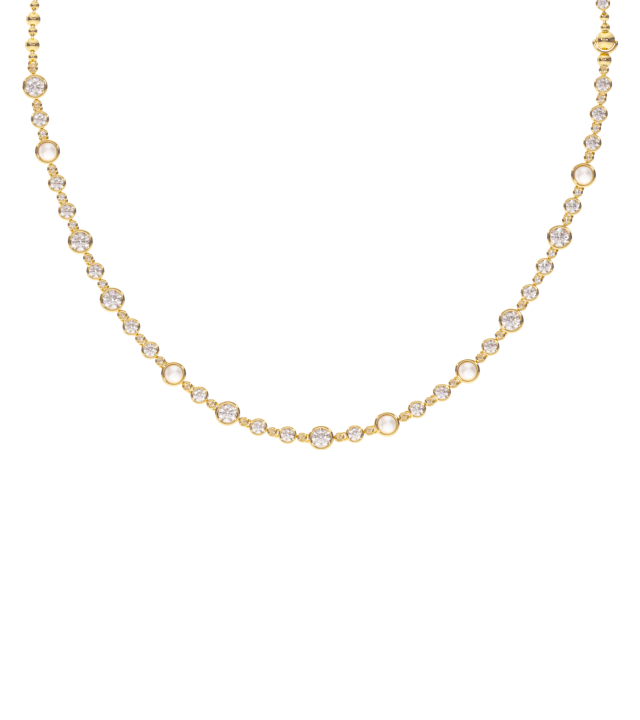
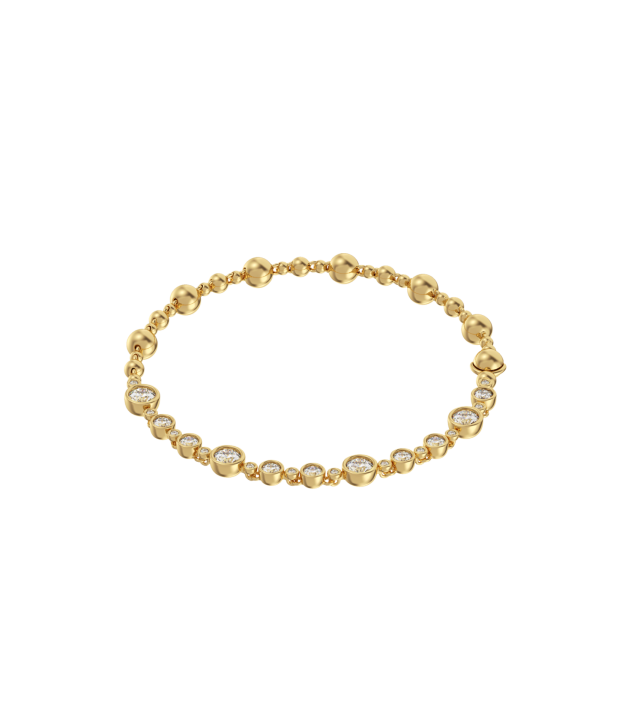
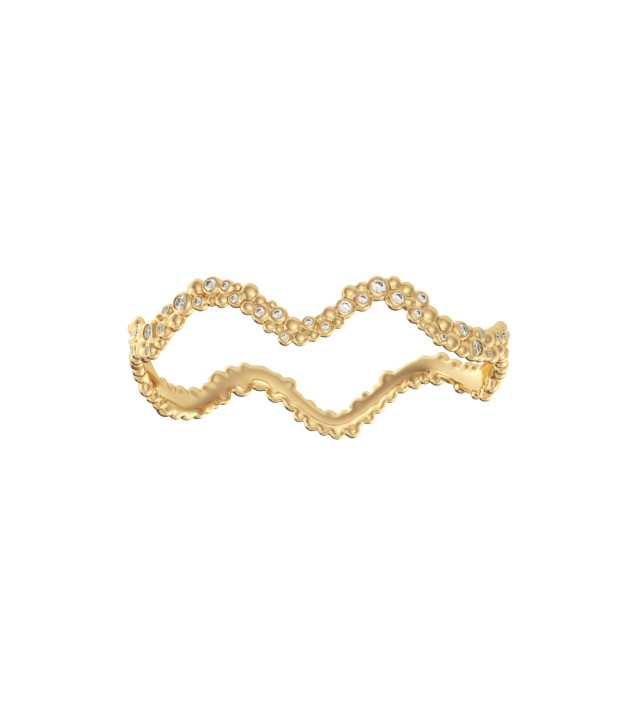
The allure of sustainable fine jewellery has rocketed in recent years, with consumers trading mass-produced jewels and trinkets for more ethical pieces that stand the test of time. Leading the crusade is Eliza Walter whose brand, LYLIE Jewellery, transforms salvaged gold, in combination with lab-grown or recycled diamonds and gems into whimsical heirlooms.
A Circular Approach
“I remember learning about built-in obsolescence when I was studying design at school and thinking, this is completely ludicrous that we’re manufacturing things and using up resources that are intended to break after a really short period of time,” Walter explains.
“It’s something I still really struggle to get my head around. So of course the sustainability and the sourcing of each material that we’re using is really, really important. I think that’s now really standard across the industry, and that’s brilliant, but at the time that we launched, it really wasn’t standard practice.”
To put this into perspective, while one ton of ore might yield up to 30g of gold, 1 ton of electronic waste generates over 300g of gold. What’s more, according to a report from the Platform for Accelerating the Circular Economy and the UN E-Waste Coalition, global e-waste production is on track to reach 120m tonnes a year by 2050 if current trends continue.
Walter’s eponymous brand (Lylie being a childhood nickname), uses gold mined from electrical and dental waste, in conjunction with recycled gold via their ‘Gold Exchange’ initiative whereby unwanted pieces of jewellery left to collect dust can be sent in via a reusable postal pouch in exchange for credit notes - an industry first.
“The Gold Exchange has been a really lovely cyclical process for people,” Walter, who launched her brand in 2017, says with pride. “It’s got a double benefit because a customer can clear out what they don’t want, [things] that are broken and sitting at the back of their drawer. And they can get credit for it, and feel good about doing it. We’ve tried to make it as simple as possible. We have these reusable postal pouches that we send them. We've made films talking you through step-by-step out how to go through the process.”
The brand’s incorporation of lab-grown or recycled gems further reinforces this circular approach. While for some, mined diamonds still carry an aura of exclusivity, their lab-grown counterparts - which are chemically and physically identical - are thought to be more ethical and kinder to the environment.
Reflecting on this growing appetite for lab-grown diamonds, Walter shares, “I think there's been a real tidal shift. I think we were one of the first UK jewellers to use lab-grown diamonds when we started making engagement rings, and at the time, [whenever] we sold a lab-grown diamond engagement ring, it was a challenge to educate the customer and show them that it was completely the same as a mined diamond.”
She adds, “I think it’s now completely democratised which engagement rings you can get. You can get so much more bang for your buck. People feel much happier knowing that it’s been manufactured and hearing where it’s been sourced from.” This eco-conscious design approach has earnt LYLIE a special ‘salvaged’ hallmark stamped by the Birmingham Assay Office, in addition to B Corp certification.
Informed by Nature and Art
When it comes to seeking out inspiration, Walter often looks to the natural world. ‘Gathering Clouds’ emerged from a fascination with the ever-evolving sky during the COVID-19 lockdown, ‘Seafoam’ is a celebration of the ocean’s power, while LYLIE’s upcoming collection - set to launch in September - is an ode to the scintillating sun.
Nature aside, Walter, who studied History of Art at the University of Bristol, moreover includes multiple artistic references in her work. Her ‘Modern Renaissance’ collection is evocative of 15th-century religious architecture, royal court fashion, and classic Italian design, while ‘South Sea’ includes pearly nods to Botticelli’s The Birth of Venus.
“When we’re developing a collection, we always think about the artists that it might have been inspired by,” she reveals. “[In Modern Renaissance], Botticelli features very heavily in lots of the design influences. The motifs come from some of his botanical details.”
By tapping into a plethora of themes and artistic references, Walter ensures that her LYLIE muse never feels prescriptive: “Our muse changes with each collection… It might be based on a customer that we have, or a customer that we would like to have.”
"You will always be part of their love story, and that’s really significant - we don’t take it for granted."
While Walter takes pride in every gilded treasure she creates, engagement rings, with their deeply sentimental significance, spark particular joy. Musing on her most memorable creation, she says, “I would always say that it's the last engagement ring we've worked on because I don't think there's a more sentimental or more meaningful piece of jewellery that any person is ever going to own.
“You will always be part of their love story, and that’s really significant - we don’t take it for granted.”
The extent to which jewellery is so intricately woven into our lives is something that Walter doesn’t foresee changing anytime soon, regardless of the skyrocketing gold price. “Fine jewellery has to be made in gold or platinum,” she explains. “What we have witnessed is that instead of opting for 18 karat gold, clients might go for 14 karat gold, the slightly more cost-effective option.
“Gold has fascinated humans for millenia, and I don't think that is going to change, I think it’s maybe having less and enjoying what one has.”
In this edition of Women Who Launch Rosanna and Christie Wollenberg of Otiumberg reflect on their brand's evolution, the joys of running a sister-founded business, their 10-year anniversary campaign with Poppy Delevingne, and more.
In this edition of Women Who Launch, luxury lingerie designer Alexandra Popa talks craftsmanship, sustainability, leadership, and plans for business evolution.
Ina Yulo Stuve sits down with entrepreneur and author Hermione Olivia to discuss her foray into the wellness industry, the importance of building a community, and the launch of her debut novel.