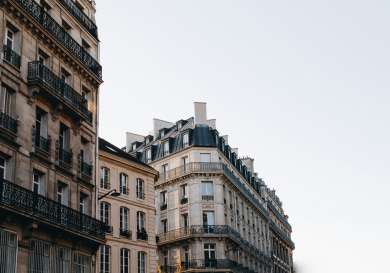
Yet summer fundamentally changes how the French capital is experienced. Long daylight hours encourage walking rather than hopping on the Métro, while café terraces and the pedestrianised banks of the Seine become the centre of city life. Baron Haussmann's 19th-century redesign created the broad boulevards that still define Paris today, while the café terrace evolved into one of the city's defining social institutions. And, since 2002, Paris Plages has transformed stretches of the Seine into seasonal beaches with deckchairs, sports courts and free cultural events.
Where To Eat And Drink
Pigalle has undergone one of Paris's biggest transformations over the past two decades. Once known primarily for its cabarets, strip clubs and nightlife centred around the Moulin Rouge, it is now home to a growing number of independent restaurants, wine bars and boutique hotels.
For drinks, Zincou – Vins & Tapas is a reliable neighbourhood choice, serving French and Spanish-inspired small plates alongside an extensive wine list that focuses on independent producers. Its outdoor tables make it a good stop on warm evenings before exploring South Pigalle (SoPi).
Near Gare Saint-Lazare, Lazare is the contemporary brasserie opened by chef Éric Frechon, who holds three Michelin stars at Le Bristol Paris. Listed in the Michelin Guide, the restaurant serves seasonal French cooking in a railway-station setting, with dishes such as Toulouse sausage and pommes purée (this dish is widely celebrated as one of the best versions of saucisse-purée in Paris), roast chicken and île flottante reflecting its modern take on traditional brasserie fare.
What To Do
If you're only visiting one museum, make it the Musée Carnavalet – Histoire de Paris. Housed across two grand hôtels particuliers in Le Marais, it traces more than 2,000 years of the capital's history, from its Roman origins to the French Revolution and the Belle Époque. Following a five-year restoration, the museum reopened in 2021 with free permanent admission, making it one of the city's best cultural bargains. Better still, its air-conditioned galleries offer welcome respite during the hottest part of the day before you head back out into Le Marais' medieval streets.
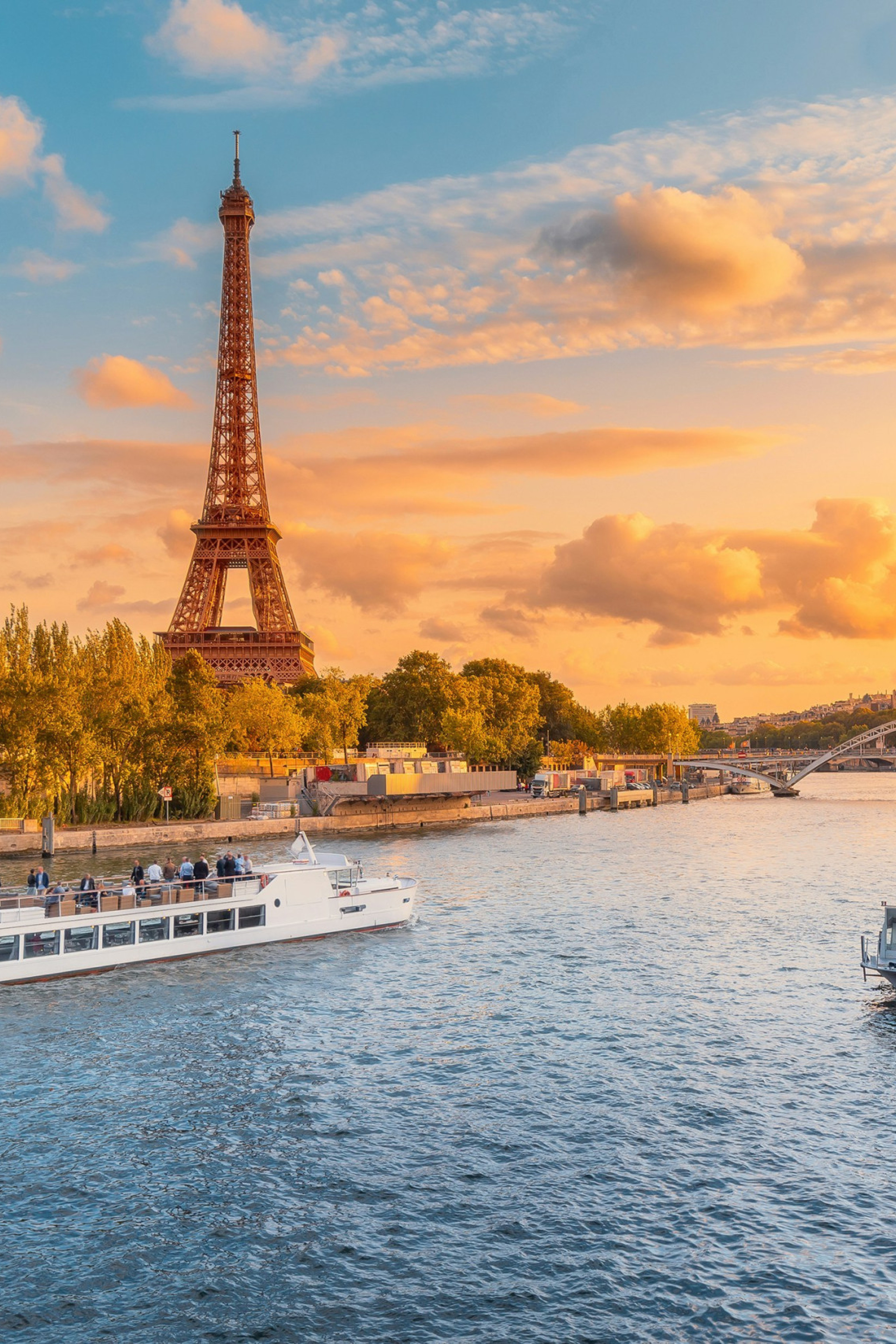
For first-time visitors – or even those returning to the city – a Seine river cruise remains one of the best ways to get your bearings. Paris was founded on the Île de la Cité, and many of its most recognisable landmarks were built along the river that shaped its history. A one-hour cruise passes the Eiffel Tower, Notre-Dame, the Louvre, the Musée d'Orsay and the Conciergerie, offering a useful introduction to the city's geography while providing a welcome breeze on a hot summer afternoon or evening.
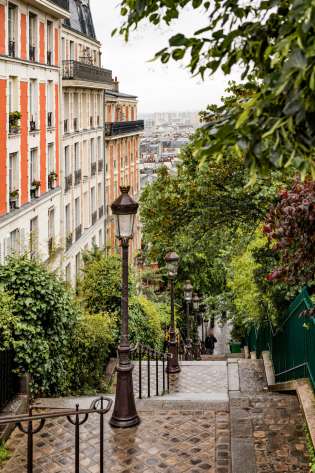
Away from the headline attractions, simply walking is one of the great pleasures of a summer visit. Follow Rue des Martyrs south from Pigalle, cross through the Opéra district and continue into Le Marais, where grand hôtels particuliers, hidden courtyards and independent boutiques reveal layers of Parisian history that are easily missed when travelling underground.
Where To Stay
I'm firmly in favour of staying on the Right Bank, particularly around Pigalle and South Pigalle (SoPi). While the Left Bank has undeniable charm (and home to the Eiffel Tower), the north side of the Seine puts you within walking distance of some of the city's most interesting neighbourhoods, from Montmartre and Canal Saint-Martin to Le Marais and the Opéra district, while also offering a lively restaurant and bar scene long after the museums have closed.
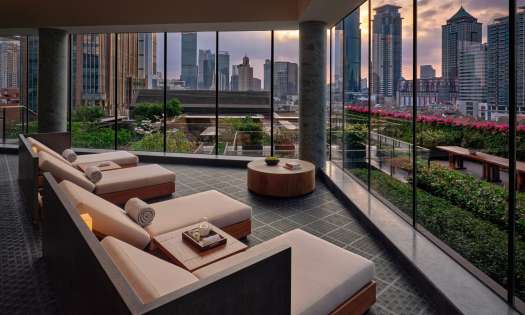
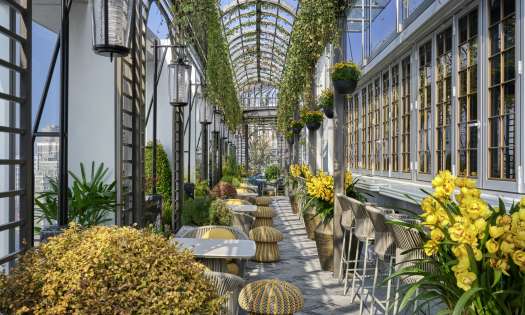
For a boutique stay, Grand Pigalle Hôtel is one of the neighbourhood's standouts, with 37 stylish rooms, an acclaimed Italian restaurant and a location on Rue Victor Massé, minutes from the Moulin Rouge and the cafés of SoPi. Nearby, Hôtel Rochechouart occupies a 1920s Art Deco building overlooking Place Pigalle, with a popular rooftop terrace offering panoramic views across Paris. If you're after classic five-star luxury, Le Grand Mazarin in Le Marais combines 17th-century grandeur with bold interiors by Martin Brudnizki, while Cheval Blanc Paris, overlooking the Seine, is hard to beat for its riverside location, rooftop restaurant and spa.
Wherever you stay, choose a hotel that encourages you to spend time outside – whether that's a rooftop, courtyard or terrace. Summer is when Paris is best enjoyed in the open air.
Where To Shop
Start in Le Marais, now one of the capital's leading shopping districts. Along Rue Vieille-du-Temple, Rue des Francs-Bourgeois and the surrounding streets, international labels sit alongside independent Parisian designers, vintage boutiques and galleries. It's also home to L'Appartement Sézane, the flagship boutique of the cult French womenswear label, and concept store Merci, which occupies a former wallpaper factory and has become a destination in its own right for fashion, homeware, books and stationery.
For department-store glamour, Le Bon Marché remains the benchmark. Opened in 1852, it is widely regarded as the world's first modern department store and still sets the standard for curated French fashion, beauty and interiors. Don't leave without visiting La Grande Épicerie next door, whose food hall stocks hundreds of French cheeses, wines and regional specialities.
If you're hoping to pick up French designer labels at a discount, set aside half a day for La Vallée Village, around 40 minutes from central Paris by train. The open-air outlet has more than 110 boutiques, including French names such as Sandro, Maje, Claudie Pierlot, Longchamp, Lancel and ba&sh, alongside international luxury brands. Previous seasons' collections are sold year-round at discounted prices, with further reductions during the summer sales.
Before You Go
Summer temperatures in Paris can exceed 35C, so plan accordingly. Sightsee early, retreat to museums during the hottest part of the afternoon and save long walks for the evening, when the city comes alive. Carry a reusable water bottle – Paris has more than 1,200 public drinking fountains – and make the most of the capital's excellent walking routes rather than relying on the Métro.
For years, Paris has been treated as a city to avoid in summer. My latest visit suggested the opposite. The crowds haven't disappeared and the heat can be intense, but the longer days, outdoor lifestyle and gentler pace reveal a side of the capital that many visitors miss. Spring may belong to the bucket-list traveller, but summer belongs to the flâneur – and that's when Paris feels most like itself.