Nestled in Andalucia, Seville has long been a honeypot for travellers seeking uninterrupted sunshine, gastronomic excellence, and a healthy dose of culture. Here's why you should add the soulful Spanish city to your list in December.
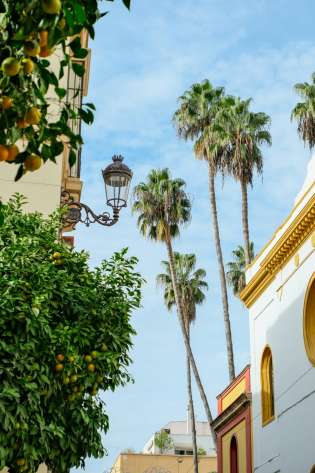
Winter suits Seville. The fierce heat has long gone, cool air settles over the city and people drift back into the streets with renewed ease. Orange trees still hold their late fruit and Christmas lights brighten the shopping avenues from the first week of December. The low sun softens the courtyards of palaces and convents, giving the city a gentler mood than in high season. It’s an excellent moment to arrive: calm, unhurried and refreshingly free of spring crowds.
Where To Stay:
Legado Alcázar
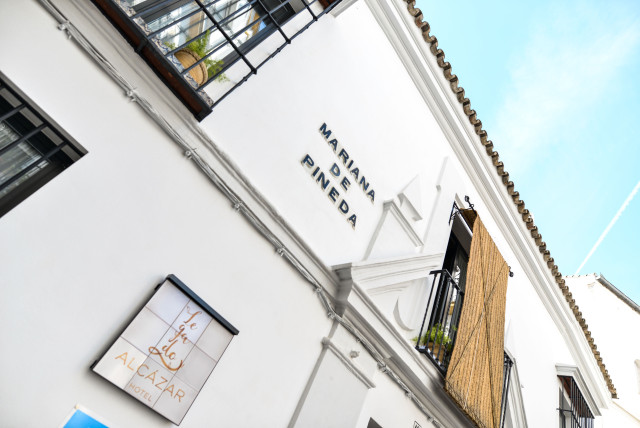
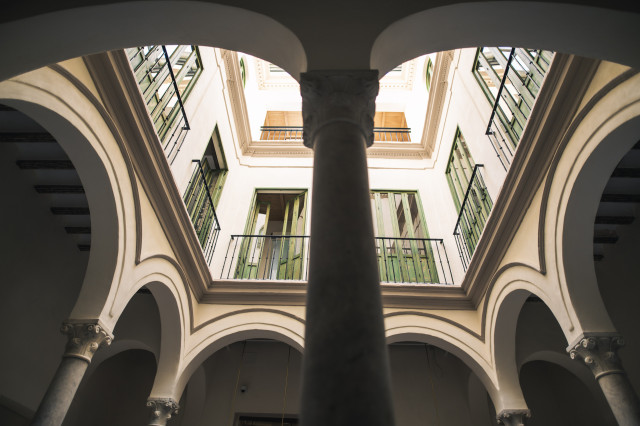
Legado Alcázar is one of Seville’s most atmospheric small hotels, and its location is its strongest asset. Built directly against the outer wall of the Real Alcázar, it stays remarkably quiet despite being moments from the busy lanes of Santa Cruz.
During my stay, that quiet made a difference; I could step into the palace gardens within minutes, then retreat to a space that felt sheltered and still.
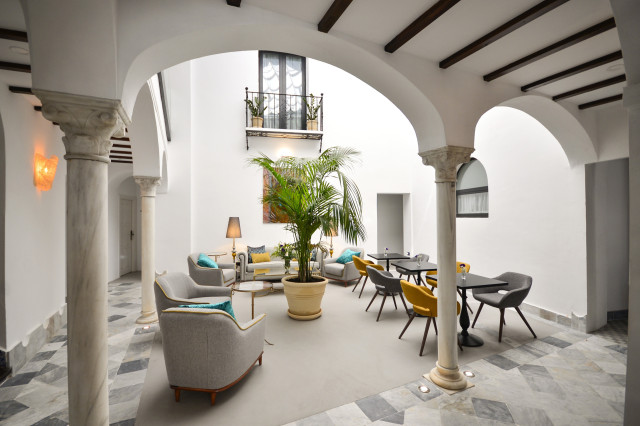
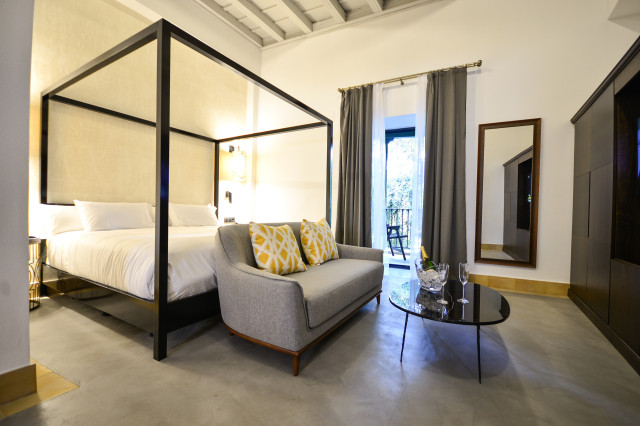
Rooms are simple but well judged: wooden shutters, smooth plaster, good beds and none of the over-styling common in many boutiques. Mine caught soft morning light from the courtyard and stayed perfectly peaceful at night. Breakfast is taken beside that courtyard – a modest buffet – and service stays thoughtful without leaning into formality.
The hotel doesn’t aim for extensive facilities, but the trade-off is space, character and immediate access to Seville’s most important sights. For short breaks where location and atmosphere matter more than amenities, it’s an excellent and fairly priced option.
Legado Magdalena
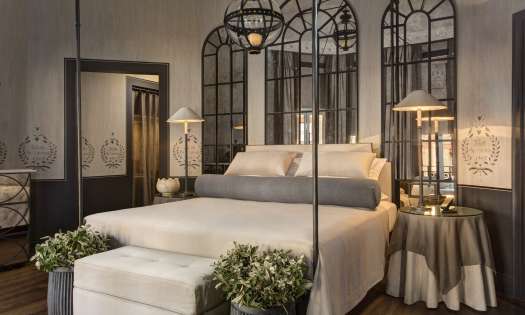
Legado Magdalena sits just north of the historic centre and offers a brighter, more contemporary feel than its sister property. Rooms are larger than average at this price point, blending restored original details with clean-lined furnishings that avoid the generic boutique look.
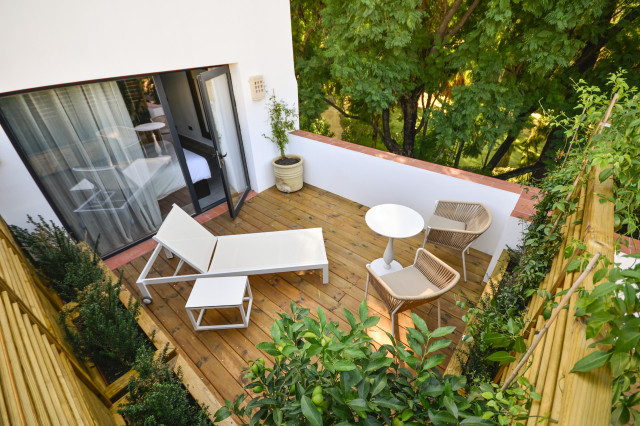
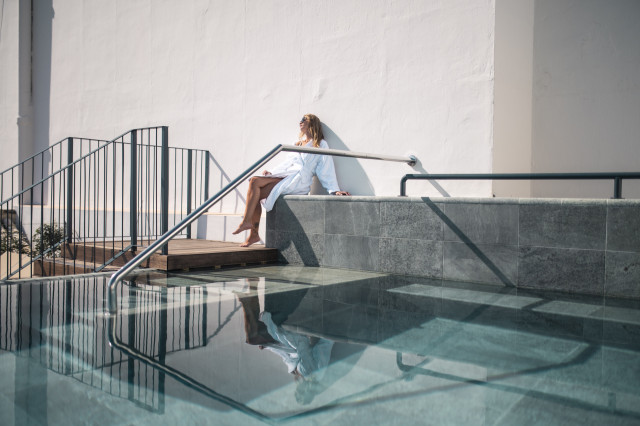
The rooftop is the standout feature. Even in December it catches steady sun through the day, and the small pool lends a sense of openness that’s rare in the city. It’s an easy place to unwind after sightseeing, with views across the rooftops that give it a relaxed, residential tone.
Breakfast is generous, service is reliable, and the hotel’s position works well: central enough for effortless walking yet far enough from the busiest lanes to stay quiet at night. For travellers who want style, space and that valuable rooftop, Legado Magdalena is a strong choice.
Standard double rooms at Legado Alcázar and Legado Magdalena start from around £110, depending on dates and availability.
What To Do:
Visit the Real Alcázar without the crowds
The Real Alcázar is one of Europe’s oldest royal residences still in use, built and rebuilt from the 10th century onward. December alters the rhythm of the palace entirely. With visitor numbers dropping after autumn, its courtyards and halls regain a sense of depth and quiet.
You can stand inside the 14th-century Hall of Ambassadors, built under King Pedro I, and take in the cedarwood dome and Mudéjar plasterwork without being ushered along. In the gardens, which expanded significantly during the Renaissance, peacocks drift between fountains and hedged walkways as if the place still operates on its own internal schedule.
A detail that’s often missed in high season: the Galería de Grutesco, a raised Renaissance walkway built along the old Almohad wall. In winter light its views across the formal gardens feel crisp and precise.
Climb the Giralda
The Giralda began life as the minaret of the Almohad mosque in the 12th century. Its 34 gently sloping ramps, designed so the muezzin could ascend on horseback, make the climb surprisingly manageable.
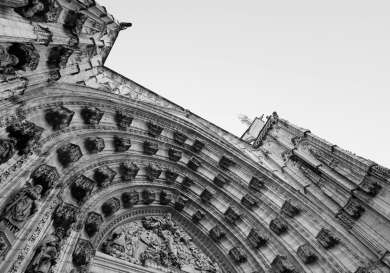
At the top, the city spreads out clearly: the Torre del Oro by the river, the bullring at La Maestranza and, beyond the rooftops, the Guadalquivir easing towards the plains. The Gothic cathedral below, built in the 15th century after the mosque was demolished, was deliberately monumental. As Seville’s leaders put it at the time: “Let us create a church so large that future generations will think us mad.” The view from above captures that ambition better than any ground-level perspective.
Lose an afternoon in the Museo de Bellas Artes
The Museo de Bellas Artes occupies the former Convento de la Merced, whose cloistered layout remains intact. Thick walls and quiet courtyards give it a calm that suits the art it houses.
Inside, you’ll find one of Spain’s best collections outside Madrid, particularly strong in Sevillian Baroque painting. Zurbarán’s sombre, contemplative figures sit alongside Murillo’s luminous religious scenes. Valdés Leal’s Finis Gloriae Mundi, one of the museum’s most powerful works, offers a vivid window into the moral preoccupations of Seville’s Golden Age.
Cross the river for flamenco
Triana has deep historical connections to flamenco, shaped by centuries of craftsmen, sailors and Roma communities whose rhythms and verse formed its foundation.
Tablao Almoraima holds onto those roots. The venue is compact, undecorated and focused entirely on performance rather than spectacle. You hear the palmas as sharply as the footwork, and the singer’s voice carries naturally without amplification. Many of the guitarists draw on falsetas traditionally associated with Triana, which gives the show a strong sense of place.
Where To Eat:
Winter in Seville encourages heartier dishes: slow-cooked pork cheeks, chickpeas with spinach, stews seasoned with paprika, and mushrooms from the Sierra Norte.
Casual Tapas
Bodeguita Romero (near the cathedral) remains reliable for its pringá montadito – a small sandwich of slow-cooked meats that feels made for cold weather.
Bar Alfalfa offers energetic service, good croquetas and an easy mix of locals and visitors.
Across the river in Triana, Las Golondrinas serves excellent solomillo al whisky: tender pork in a thin, garlicky sauce that suits the season.
More Polished Dining
For something refined but relaxed, ConTenedor focuses on seasonal produce and excellent slow-roasted dishes.
La Azotea, with several branches around the centre, offers well-balanced modern Andalusian cooking and a strong wine list centred on small producers.
Shopping and pre-Christmas Browsing:
By early December, Seville’s shopping streets, Calle Sierpes, Calle Tetuán and the lanes around Plaza Nueva, are fully lit for Christmas. Craft stalls appear in the plazas, selling ceramics, leather goods and hand-printed fans, much of it made in small local workshops.
Cerámica Triana is ideal for tiles and bowls in historic Sevillian styles. Specialist food shops offer excellent gifts too: olive oil from family mills and orange-blossom honey from Huelva are reliable choices.
Practical Tips:
Seville is best explored on foot. The centre is compact, largely pedestrianised and mostly flat. Cycling is easy using the Sevici bike-share network, though short tourist passes require a deposit. Taxis, Uber and Cabify are inexpensive for longer distances.
Major sights, especially the Real Alcázar and the cathedral, require advance booking at peak times. Weekdays in early December are far calmer than weekends. Avoid driving: the old town’s narrow streets and restricted-access zones generate automatic fines.
Getting There:
Direct flights run from London Gatwick to Seville with British Airways, easyJet and Vueling, taking around three hours and operating up to twice daily depending on the season.
Where To Stay:
Where To Eat:
El Rinconcillo (Calle Gerona 40) – classic tapas
La Azotea (Calle Jesús del Gran Poder 31) – modern Andalusian dishes
Bodega Santa Cruz "Las Columnas" (Calle Rodrigo Caro 1) – lively, central, reliable
Don't Miss:
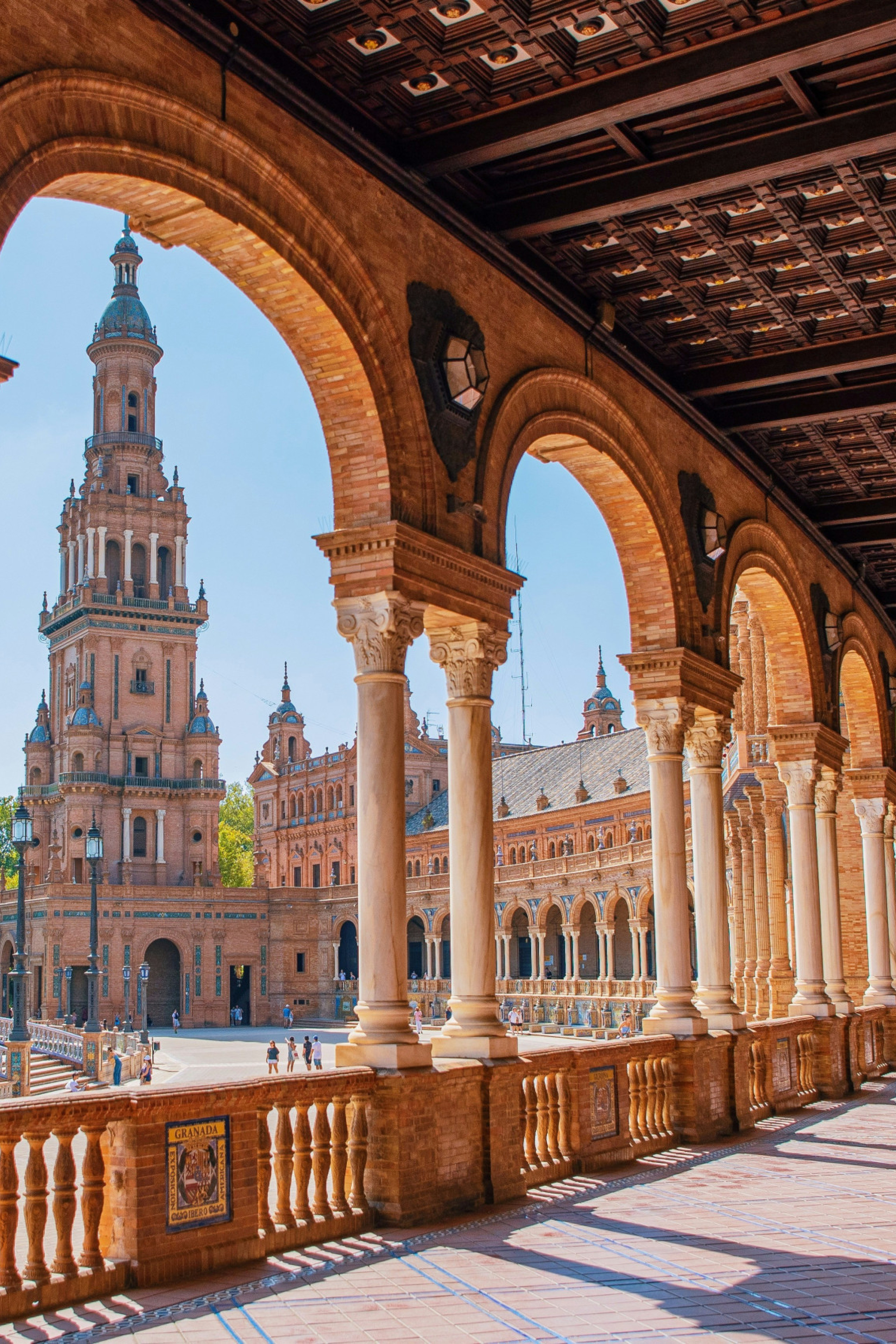
Climbing the Giralda for the clearest panorama of the city; wandering the tiled pavilions of Plaza de España; a flamenco performance in Triana.