Dining With The Locals
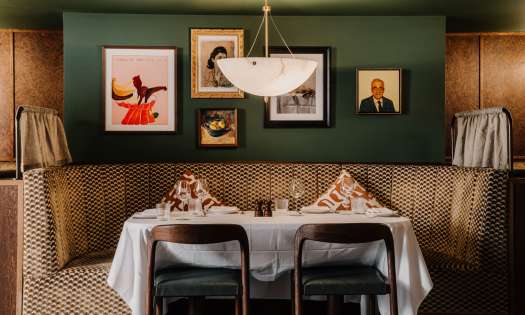
The restaurant scene has become more eclectic and refined in recent years. If you are looking for a romantic, intimate affair, head to the restaurant at Hotel Can Cera.
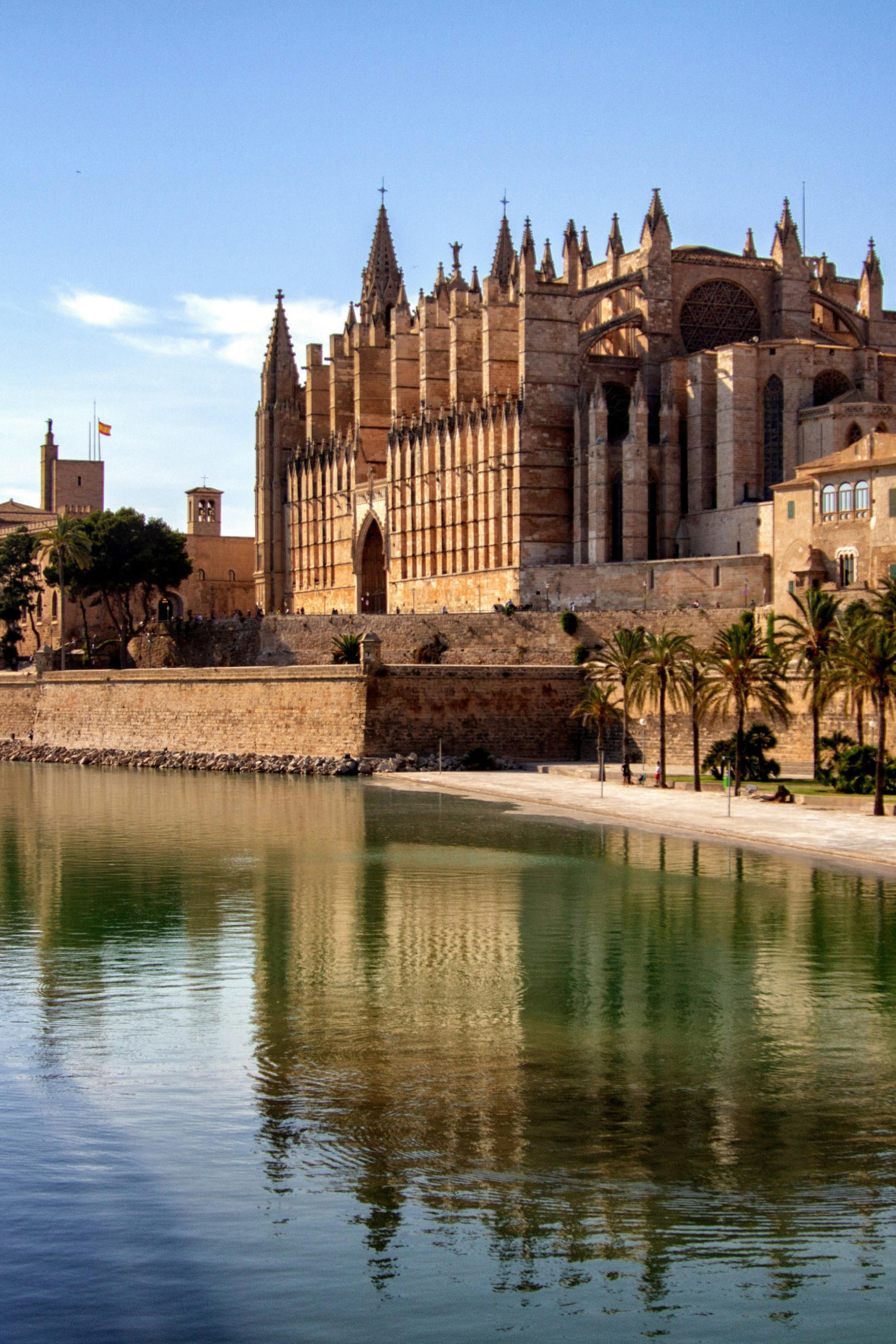
Baldwin Ho discovers a softer side to Palma de Mallorca during the off-season. Below, discover his guide to the capital of the Balearic Islands, covering everything from where to eat and stay to immersive cultural experiences.
When you first mention Mallorca, tourists typically cite the island's 200+ stunning turquoise-water beaches and the wonderful Mediterranean climate which boasts more than 300 days of sunshine. However, there’s much more to the island than meets the eye. Warm weather aside, Mallorca is steeped in rich culture and an eclectic culinary scene - both of which are especially noticeable in the capital, Palma de Mallorca. Here, the accommodation is geared towards bespoke luxury, with 22 boutique hotels and an astonishing 97% of beds in the city belonging to five-star hotels. Visit in January and you will encounter vibrant festivals, such as the Sant Antoni Festival and the Sant Sebastià Festival. The weather is still at a respectable 15-16 degrees Celsius, and you won’t have to battle the tourist queues at cultural sites and restaurants.
The restaurant scene has become more eclectic and refined in recent years. If you are looking for a romantic, intimate affair, head to the restaurant at Hotel Can Cera.
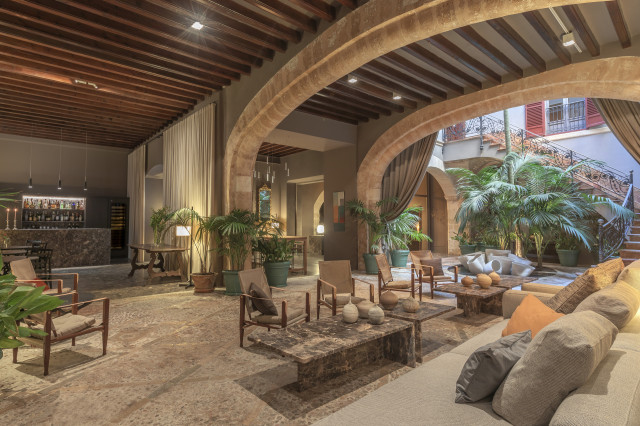
The broadly Mediterranean menu has an Iberian focus, so expect Jabugo Iberian ham from 100% acorn-fed pigs, and pork secreto with truffled potato parmentier from prized native Black Iberian pigs. Dishes are mostly tapas style, making them perfect for sharing over a glass of wine from their well-curated list featuring niche, local wineries.
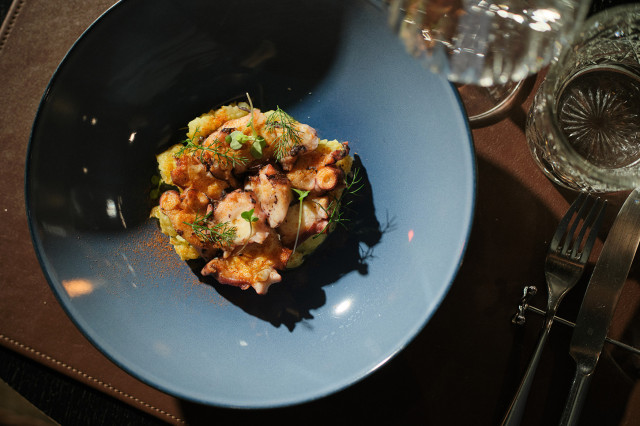
If you want to experience inventive, avant-garde gastronomy, check out De Tokio A Lima which strikes the perfect blend of Mediterranean, Japanese and Peruvian influences. Chef German de Bernardi is a keen devotee of the sea’s bounty, so expect plenty of innovative seafood dishes such as glazed razor clams with teriyaki sauce and crispy sofrito. I would recommend the rich creaminess of his seafood arroz meloso (in between a paella and a soupy rice), filled with delights such as red prawns and cuttlefish.
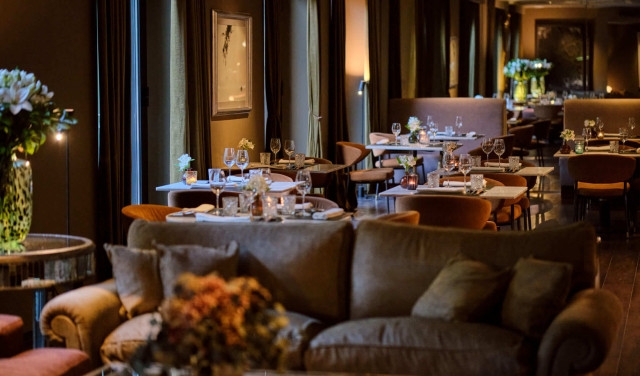
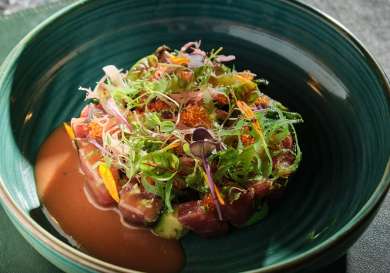
Even if you visit more casual eateries like Dôme, the attention to detail is palpable. Steak tartare is served on crispy shiso, for instance, while rigatoni pasta is served with tempura octopus. Wherever you look, it’s clear that the restaurant scene in Palma is awash with Asian influences.
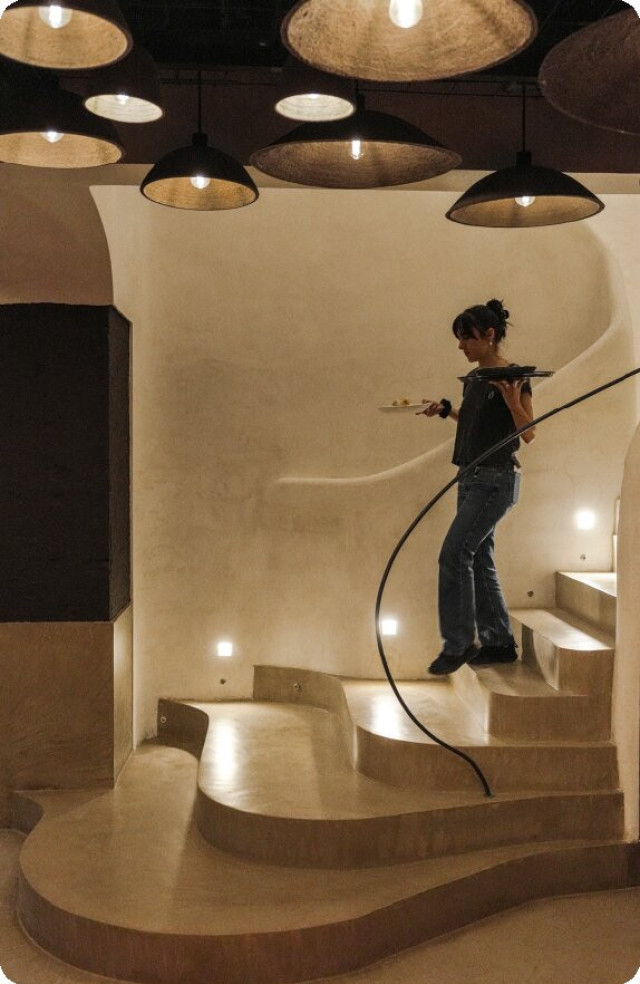
If you want to try your hand at cooking Mallorcan cuisine, the best way is to join a cookery class with the likes of Deborah’s Culinary Island. Her cookery classes kick off with a visit to Mercado del Olivar, which is the largest and most prominent traditional indoor food market in Palma, and has been operating since 1951.
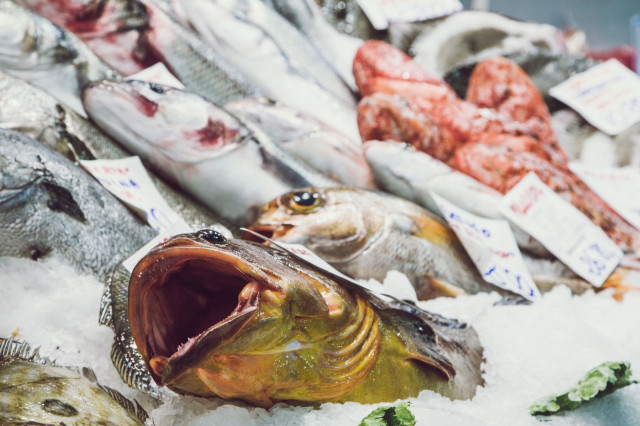
The seafood stalls are particularly impressive with a wide array of marine delights. A real feast for the eyes, the market also has stands where you can savour oysters, sushi, Champagne and general tapas dishes.
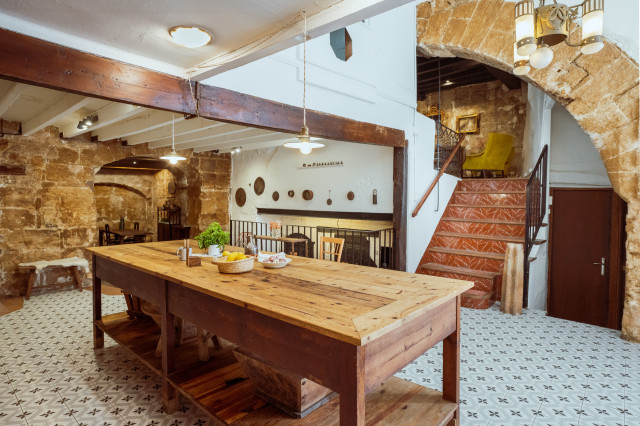
The cookery class itself takes place in a charming former bakery that dates back to the 18th century. It is very much a hands-on experience, but the recipes are easy to recreate at home. Dishes on the agenda include local classics such as Mallorcan flatbread with greens and raisins, as well as artichokes & sobrasada meloso rice cooked in a clay pot. Sobrasada is a traditional, raw, cured and spreadable pork sausage that is frequently used to add myriad complex flavours to any dish. Palma is widely considered to be the sobrasada capital of the world.
The city is also fast becoming the five-star boutique hotel capital of the world. They generally have a limited number of rooms and all have their quirky, individual styles. Mentioned previously, Hotel Can Cera is a meticulously-preserved Mallorcan treasure with only 14 rooms. It is adults-only and is located in the centre of the historic old town. The hotel has a quiet, palatial feel with 17th-century Murano glass chandeliers, a black marble cocktail bar, restored stone floors and vaulted ceilings.
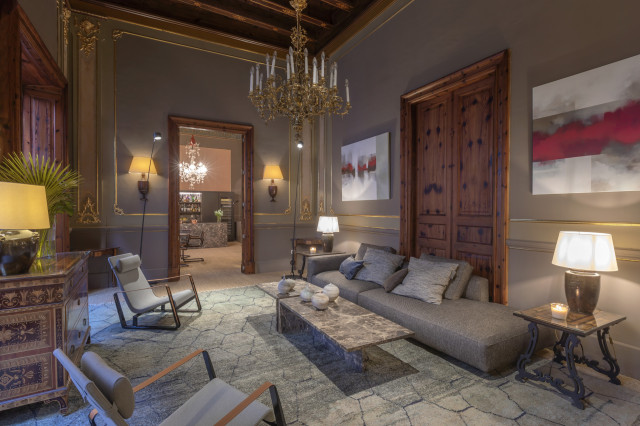
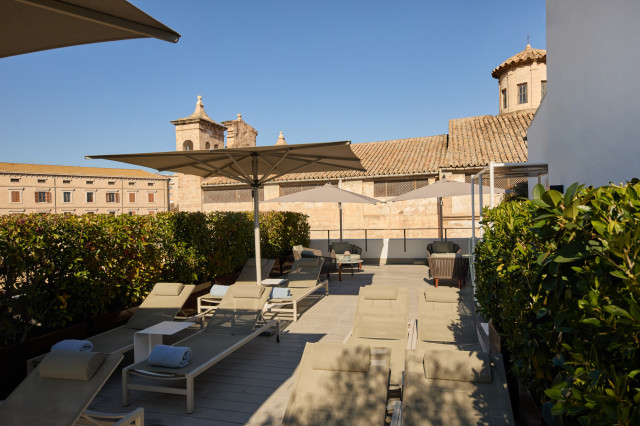
If you are looking for more modern interiors, consider Sant Jaume, Luxury Design Hotel. It is a former 18th-century noble mansion, but has been restored to offer a more contemporary, chic feel. It is situated between a towering Gothic church and a Baroque 14th-century convent. The reception area captures your attention with an eye-catching 12-metre three-dimensional sculpture, created specifically for the hotel by renowned artist Robert Ferrer i Martorell. There are other curated local artworks spread throughout the building for an added dose of artistic flair. The rooftop space, meanwhile, is a tranquil oasis of calm complete with a dipping pool for relaxation.
January is surprisingly a busy month for local Mallorcans. There is Sant Antoni Festival that falls around the 16 and 17 of January, followed swiftly by Sant Sebastià Festival, which, this year, had its main events between 19 and 20 January. Given that Sant Sebastià is the patron saint of Palma, the latter is Palma’s biggest and most vibrant annual celebration. The revetla (night party) on the 19 January usually involves concerts, bonfires and correfoc - a traditional, energetic street spectacle that sees participants dress up as demons, devils or beasts before dancing and running through crowds whilst brandishing pitchforks with firecrackers or fireworks.

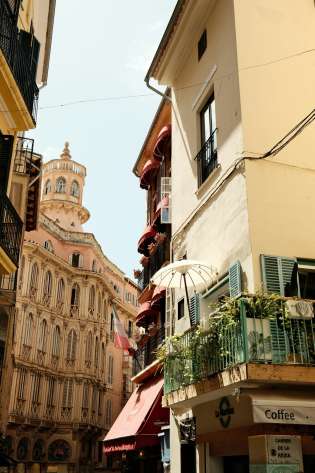
The festival is also an opportunity to try local specialities such as espinagades. These traditional savoury pastries are typically made with spinach, green onions, garlic, peas, olive oil, and spices along with eel or pork loin. For some of the best on the island, head to Forn des Teatre. Their Art Nouveau storefront has been much photographed, but it’s their baked treats that keep the locals coming back for more.
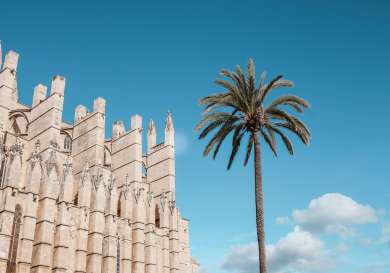
Food aside, there are also countless cultural sites to explore, including the majestic "Cathedral of Light", which boasts one of the world's largest Gothic rose windows.
Elsewhere, there is the Museu Marítim de Mallorca for exploring the rich maritime history of the island, as well as the Can Balaguer - an impressive former nobleman’s house that still features original furniture and artworks by Antonio Gelabert in addition to a magnificent Walcker organ which was first installed in their music room circa 1930.
In short, Palma de Mallorca ticks plenty of boxes during the off-season. Beyond the vibrant festivities and cultural and gastronomic delights, the remarkable city reveals a softer side, providing visitors with more space and time to savour its charm.
For further information on the city, please visit https://visitpalma.com/en/
The George, Penang: A Modern Classic Review

From the hottest autumnal menus to sensual scents that pack a punch, here are 12 things on The Sybarite’s radar this October.
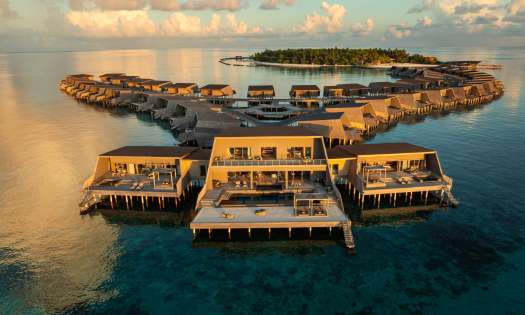

Baldwin Ho discovers barefoot luxury on the private island of Vommuli in the Dhaalu Atoll.
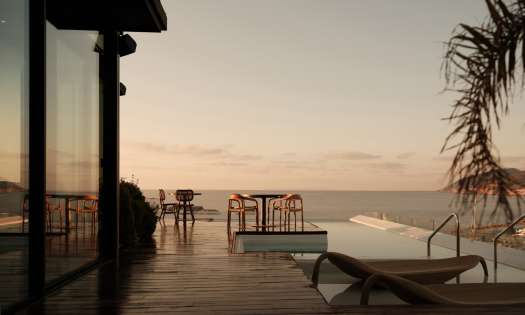

Kerene Barefield checks into Hotel Aguas de Ibiza, and discovers a luxurious haven perfectly suited for family bliss.
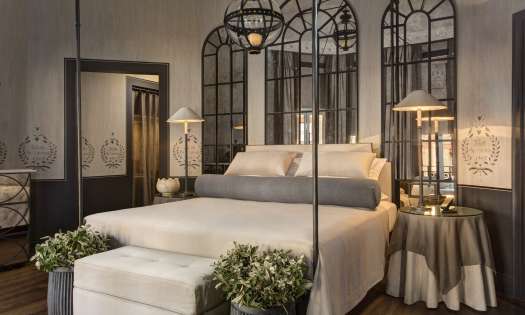
Kirsty Welsh makes a strong case for an autumnal city escape at The Franklin, Knightsbridge.
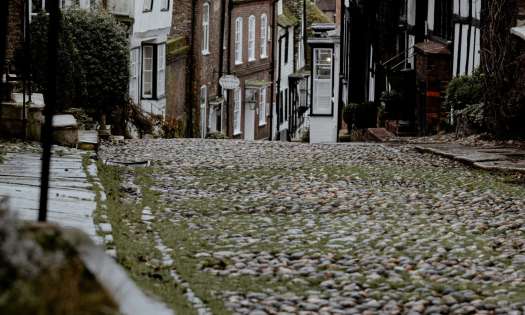
For decades, there has been only one answer to the question of where New York's stylish set disappears each summer: the Hamptons. Now, London has its own equivalent.
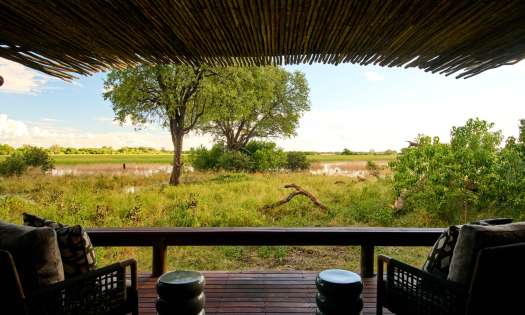

Desert & Delta Safaris' newest lodge champions regenerative tourism, understated luxury and the joy of experiencing the Okavango Delta at nature's own pace, says Amira Arasteh.

From the hottest new collaborations to the ever-evolving restaurant scene, here are 17 things on The Sybarite’s radar this September.
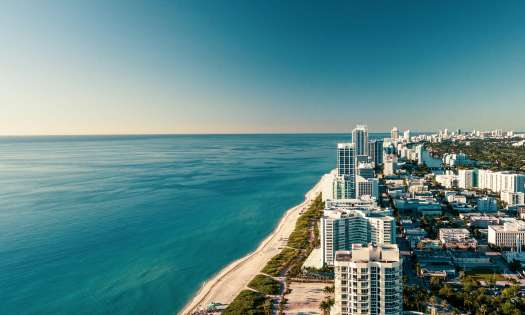
The Sybarite explores nine of the finest luxury property developments around the world, starting with London.
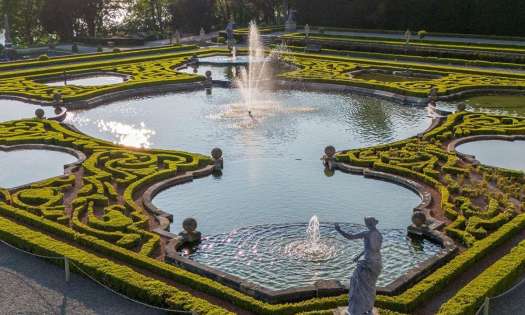
There are some places that manage to delight every generation of a family at once. Blenheim Palace, nestled amongst the rolling Oxfordshire countryside, is one of them.
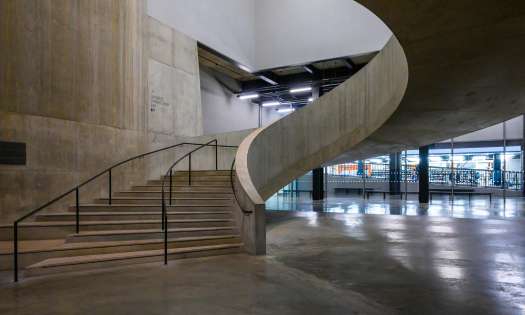
As London’s vibrant art scene continues to evolve, 2026 promises to delight with an array of captivating exhibitions highlighting the works of Anish Kapoor, Tracey Emin, Renoir & more.

“I have always believed that art should be a deep pleasure,” Hockney once said. The man himself may be gone but, fortunately, you can still find that pleasure - and that colour and joy - all over the world. Below, Sarah Rodrigues curates a Hockney pilgrimage.
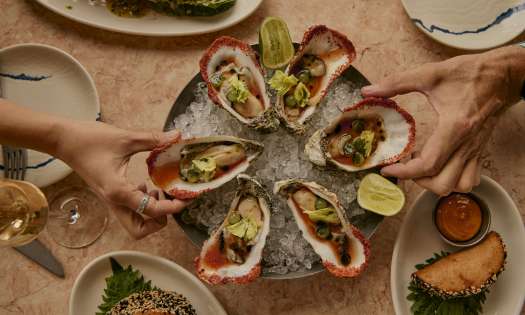
From the hottest new cocktail bars to the ever-evolving restaurant scene, here are 16 things on The Sybarite’s radar this June.


Disneyland may not immediately sound like the definition of luxury, but there is no denying that this world-renowned theme park holds a special place for families from every walk of life. From celebrities such as Kourtney Kardashian, who has shared glimpses inside her frequent Disneyland visits, to families finally ticking a long-awaited trip off their wish list, or even friends making it their mission to celebrate a unique birthday, Disney has an extraordinary ability to appeal to everyone.
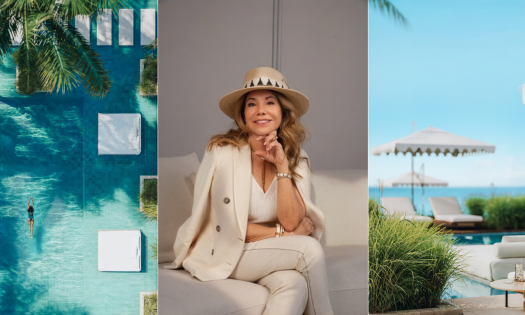

In this edition of Women Who Launch, The Sybarite talks to Penrod about the evolution of Nikki Beach Hospitality Group, from its original outpost on Miami Beach to resorts and residences in Antigua, Oman, Ras Al Khaimah, Marrakech and Azerbaijan.
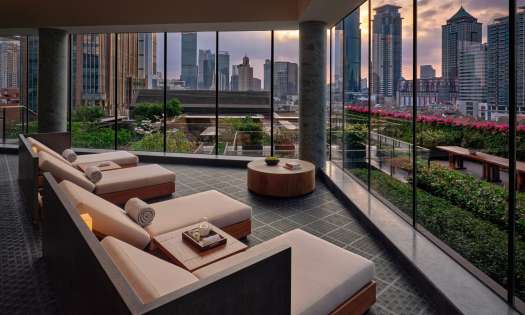
Known for its minimalist design and wellness philosophy, Alila isn't the first hotel brand that comes to mind when travelling with children. But hidden inside Alila Shanghai is one of the most imaginative family suites we've ever experienced, complete with a vintage Shanghai tram bunk bed, fairytale interiors and thoughtful touches that encourage children to swap screens for imagination.

In Brief: The best luxury concierge companies in London include Velocity Black for app-based requests, The Sybarite for curated experiences and global event access, Knightsbridge Circle for invitation-only membership, Nota Bene Global for insider travel and Quintessentially for worldwide coverage. Membership ranges from £7.99 a month at entry level to around £150,000 a year, and most top-tier services are priced on application.
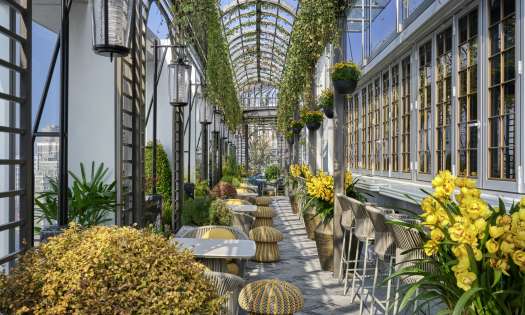
The second Andaz Shanghai has arrived in the heart of the city's commercial district, bringing together contemporary design, strong Shanghainese influences and a convenient city-centre location. After two nights at Andaz Shanghai ITC, we found it to be a particularly convenient choice for families, couples and business travellers looking for a modern city hotel without unnecessary fuss.
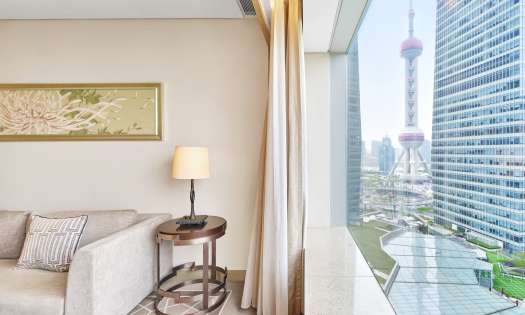
For those planning more than just a weekend in Shanghai, IFC Residence offers something many luxury hotels cannot - a genuine sense of home. Combining spacious apartment-style living with five-star hotel service, it has become our top recommendation for families, business travellers and anyone wanting to experience Shanghai comfortably without compromising on luxury.