Niamh Walsh takes a deep dive into the rise of the surgical "escape" and explores the new generation of luxury 'tweakments'.
Over the past year, my social media feeds have been filled with something I never expected to see so openly displayed: women returning from “holidays” with surgical tape tucked discreetly behind their ears. From Demi Moore to Kris Jenner, a growing number of women are now spending their winter breaks abroad undergoing facelifts, deep-plane tweaks and surgical refreshes, returning weeks later newly taut, lifted and conspicuously silent about the in-between.
The message is implicit but powerful. If you want to start the year looking genuinely refreshed – not just rested, but rewound – surgery is the gold standard. A week in Istanbul or Seoul, a fortnight out of sight, and you re-emerge transformed.
But is this really the only route to a January glow-up? And, more importantly, is it one we should be normalising?
The rise of the surgical “escape” says as much about culture as it does about aesthetics. Facelifts are no longer framed as dramatic, last-resort interventions, but as proactive self-care – an upgrade rather than a reckoning. Social media has played its part, flattening recovery timelines and airbrushing risk, while celebrity candour (or strategic silence) has helped recast surgery as aspirational, efficient and oddly transactional.
Yet even as surgical techniques improve, a facelift remains exactly what it has always been: invasive, irreversible and demanding significant physical and emotional recovery. The question many women are now asking is whether there is a credible middle ground – treatments that genuinely improve skin quality, firmness and luminosity without necessitating weeks of downtime or a boarding pass.
According to leading aesthetic doctors and dermatologists, the answer is yes – but it requires a shift in mindset.
“The biggest misconception is that non-surgical treatments are about chasing the effect of surgery,” says Dr Barbara Kubicka, founder of Clinicbe in Knightsbridge. “They’re not. Their strength lies in improving skin health, structure and regeneration over time. The results are different, but when done well, they can be exceptionally elegant.”
Kubicka, who has worked with institutions including Harrods and Allergan, is known for her holistic approach, combining advanced aesthetic treatments with lifestyle, nutritional and regenerative medicine advice. Her philosophy reflects a broader shift in the industry: away from dramatic alteration and towards refinement.
So what actually works if you want to look noticeably fresher by February, without disappearing for a month?
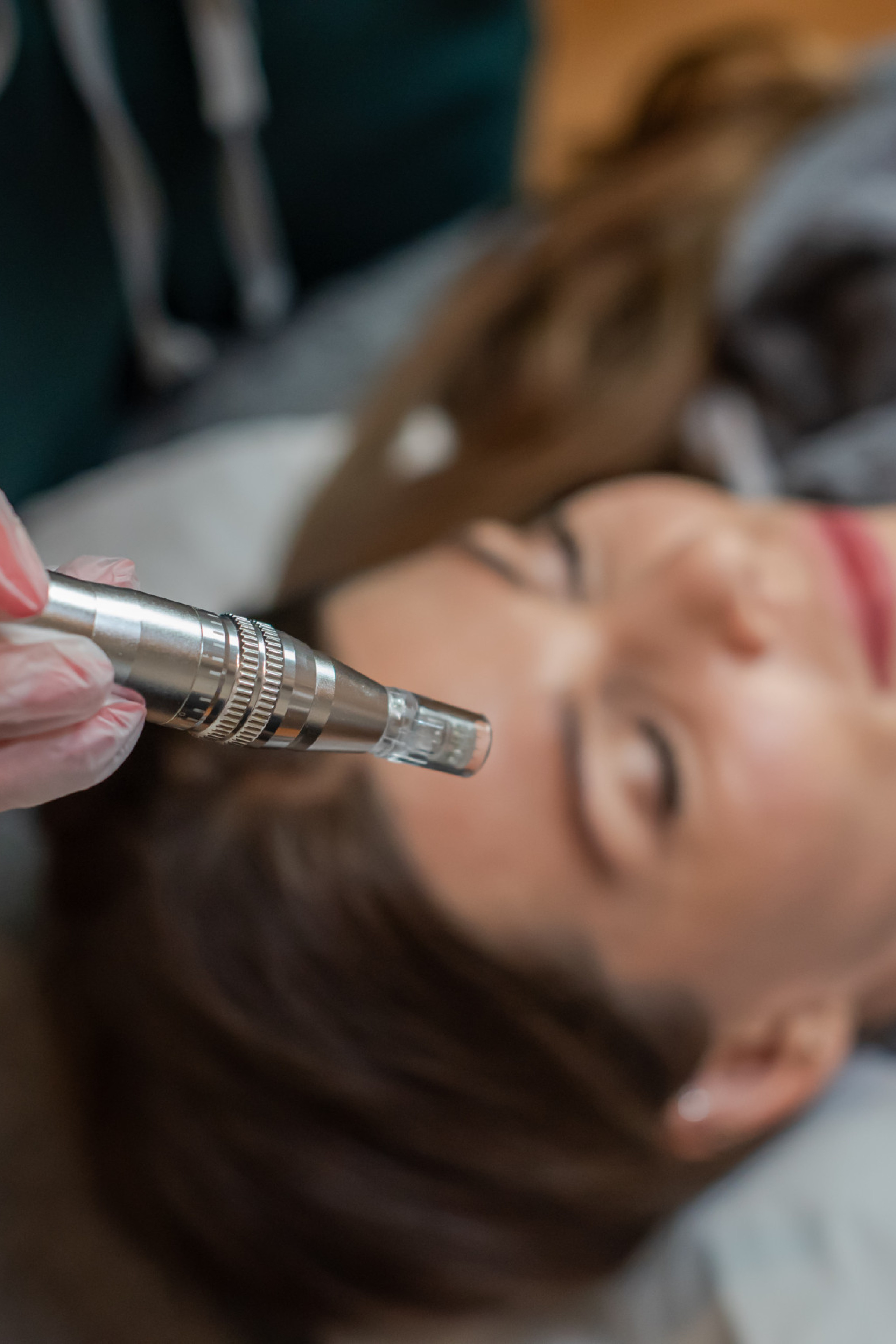
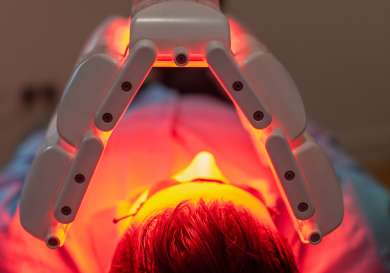
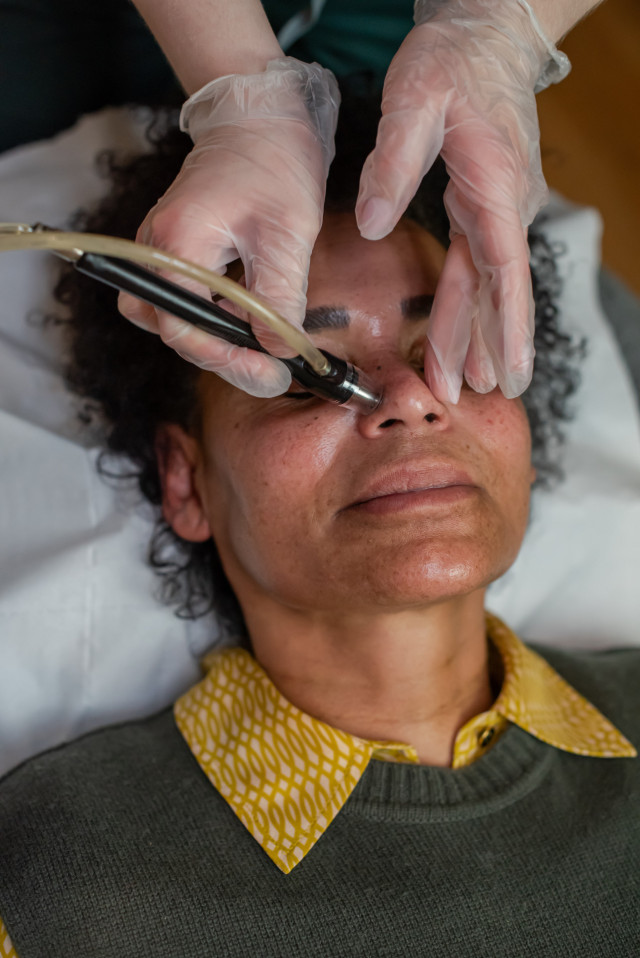
The most talked-about developments centre on collagen stimulation – not fillers that add volume, but technologies that encourage the skin to rebuild itself. Devices using radiofrequency, ultrasound and bio-remodelling techniques can improve laxity and texture gradually, strengthening the skin’s underlying architecture rather than masking it.
“Skin quality is everything,” says Kubicka. “If the skin is healthy, hydrated and resilient, you can often do far less elsewhere. That’s where intelligent lasers, collagen stimulators and regenerative treatments come in – they elevate rather than alter.”
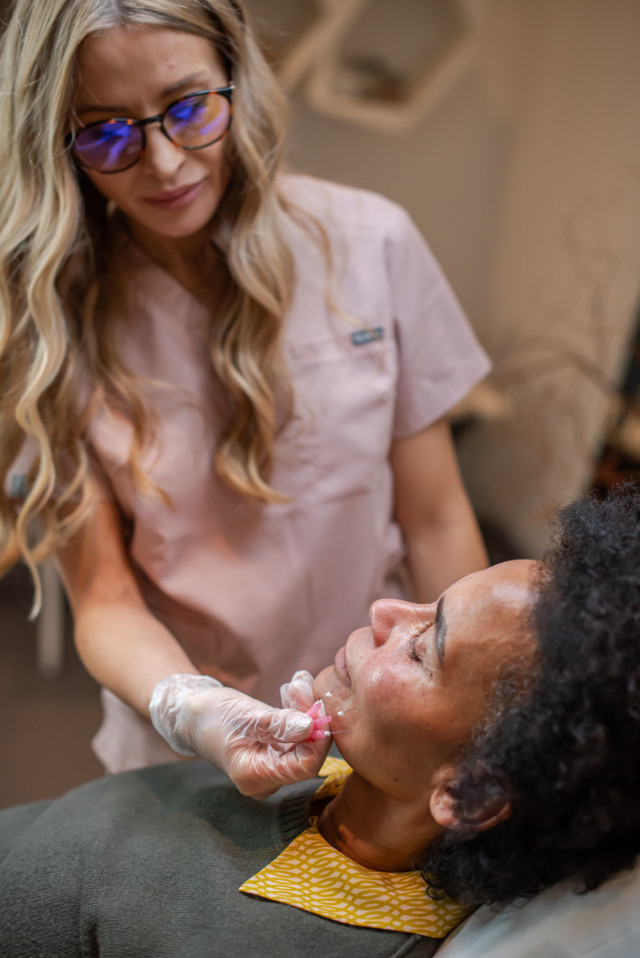
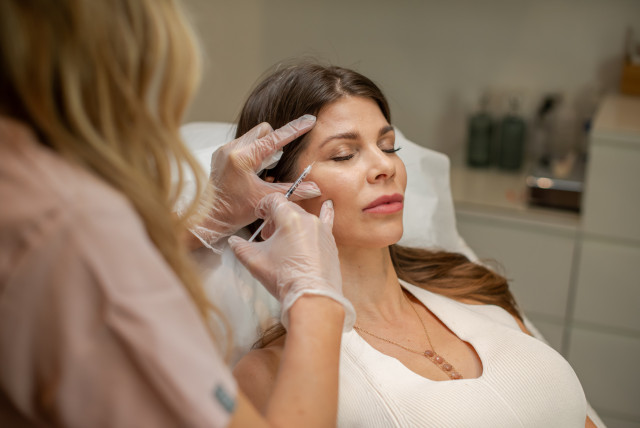
Injectables, too, are evolving. Precision dosing and strategic placement mean Botox and fillers are now used to soften tension, support structure and restore harmony, rather than freeze or inflate. The best practitioners are increasingly conservative, favouring subtle correction over instant gratification.
“There’s a real danger in over-treatment,” Kubicka notes. “My aim is always that someone looks like themselves on a very good day – not like they’ve ‘had something done’.”
This slower approach stands in stark contrast to the surgical tourism boom, which often prioritises speed and scale over long-term skin health. According to industry estimates, the global medical-tourism market was valued at around $47 billion in 2024 and is forecast to exceed $111 billion within five years – a figure that underlines just how normalised the surgical “escape” has become. While many overseas clinics are reputable, others operate in regulatory grey areas, and post-operative care can be limited once the patient has flown home.
None of this is to dismiss surgery outright. For some women, a facelift is the right decision, undertaken thoughtfully and with excellent care. But the concern is how quickly it has become framed as the default solution – the implied baseline against which all other treatments are judged.
What the new generation of luxury 'tweakments' offers instead is choice. A way to invest in how skin behaves, not just how it looks. A route to radiance that aligns with modern ideas of ageing – not denial or drastic intervention, but maintenance, intelligence and restraint.
Perhaps the real shift is not about rejecting surgery, but about resisting the idea that transformation must be extreme to be effective. A fresher start does not have to involve anaesthetic, scalpels or secrecy. Sometimes it is simply about understanding what your skin needs – and giving it the time, technology and expertise to respond.
In an age obsessed with instant results, that may be the most radical approach of all.
Clinicbe is fully registered with the Care Quality Commission (CQC), a status that requires consistently high standards across clinical care, safety protocols and patient experience.
Kerene Barefield meets Dr Souphi Samizadeh, the pioneering aesthetic clinician and
researcher who believes the future of beauty is not about looking younger, but about helping
our skin function better.
With fruity, gourmand fragrances continuing to dominate the perfume scene, we’ve rounded up 9 of the best juicy concoctions to put a pep in your step this August.