Niamh Walsh explores Rome during the Italian Open. Below, discover her curated guide to city, including where to stay and what to see and do.
If you’re in Rome for the Italian Open, it’s tempting to treat the city as a backdrop to the tennis. That would be a mistake. The tournament at the Foro Italico runs on its own rhythm, which leaves plenty of time to move in and out of the city rather than staying fixed in one place.
With two days, you can do both without rushing.
Where to Base Yourself
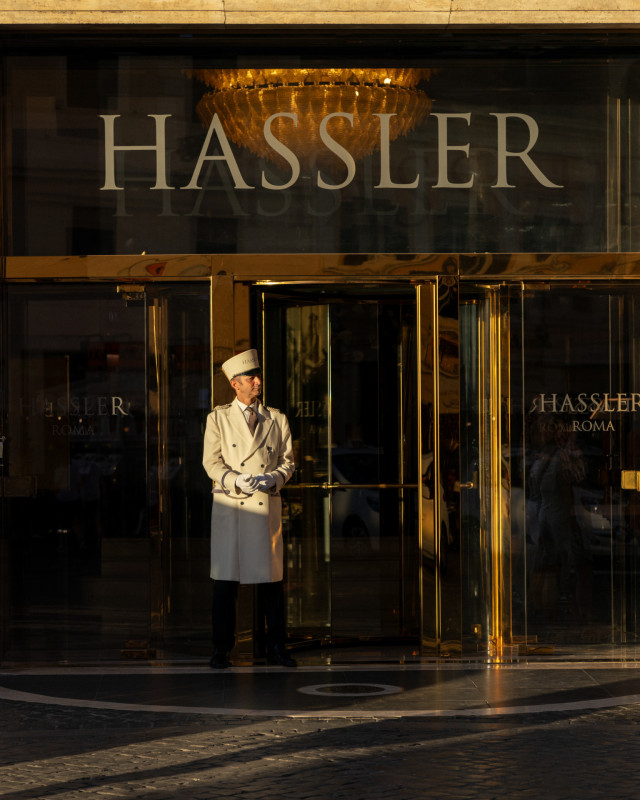
The Hotel Hassler Roma sits at the top of the Spanish Steps, on the Trinità dei Monti side, where the city begins to thin out slightly. From the piazza it can seem almost set back from view, but crossing the threshold brings an immediate sense of separation from the streets below.
Opened in 1893 by Swiss hotelier Wilhelm Hassler and in the hands of the Wirth family since 1921, the hotel has been shaped by continuity rather than reinvention. Interiors have been adjusted over time, but the underlying structure - and its sense of formality - remains intact. It has long attracted a particular kind of guest. Audrey Hepburn stayed here while filming Roman Holiday in 1953, making the San Pietro Suite her base, and returned in later years.
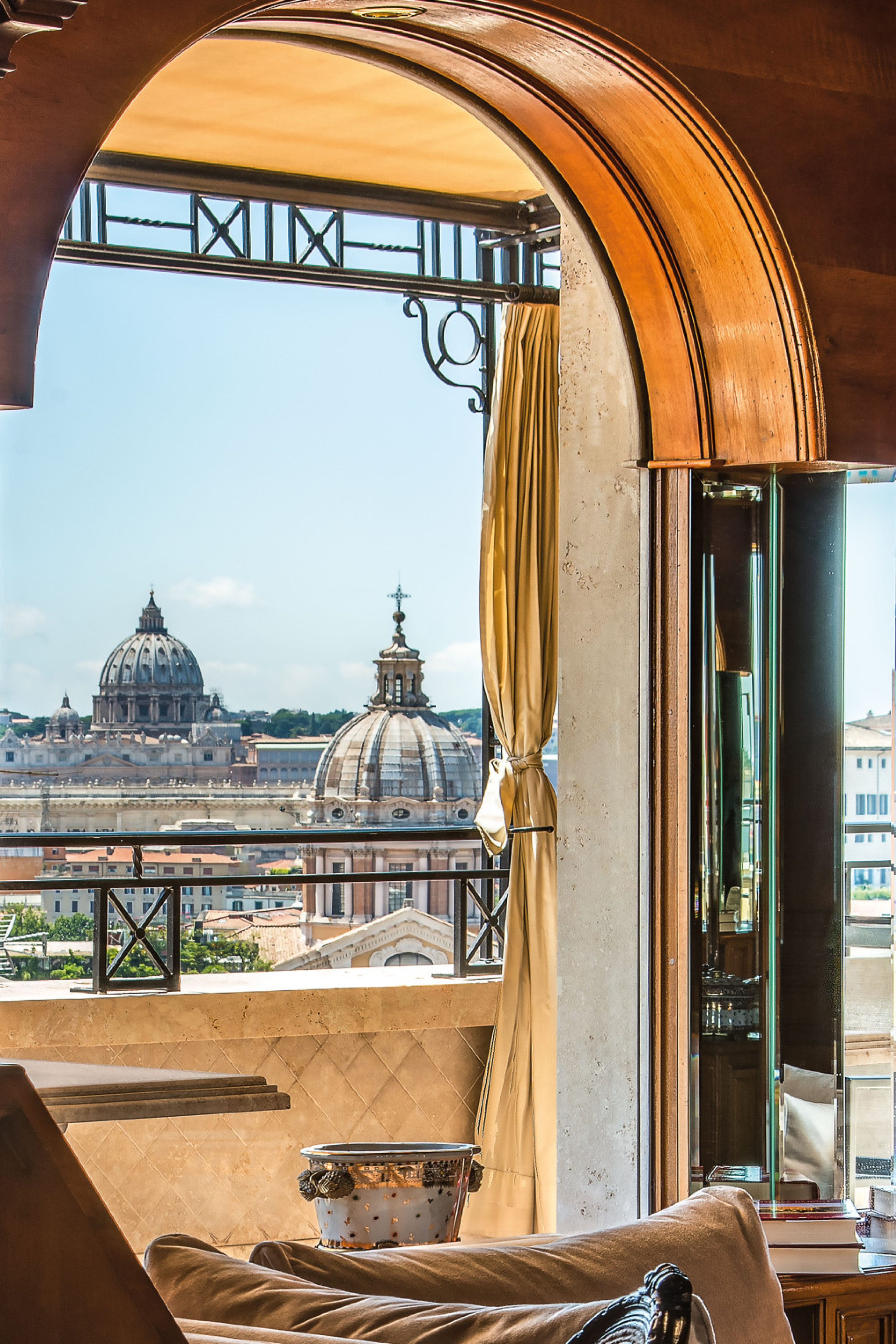
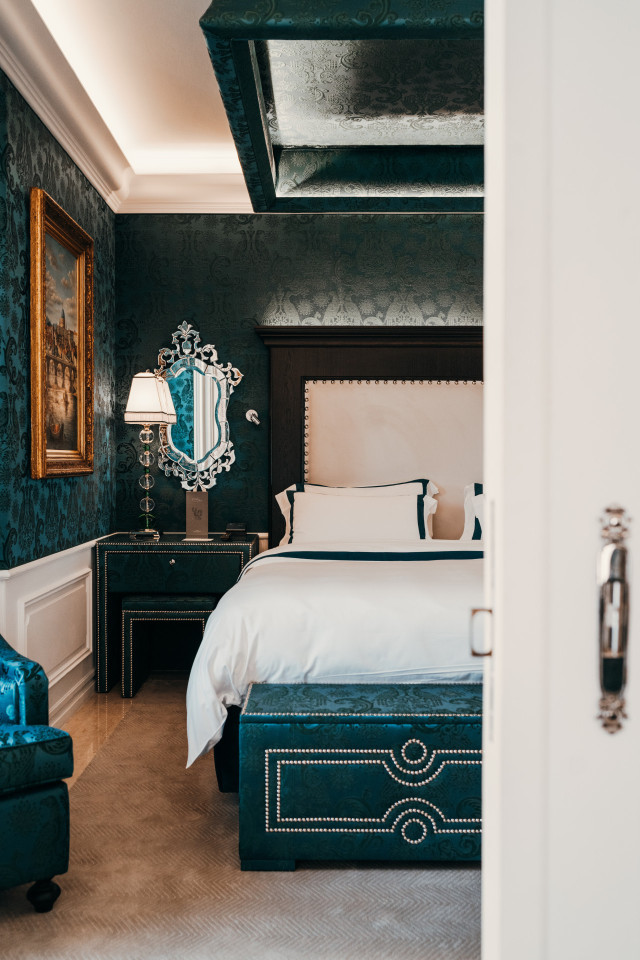
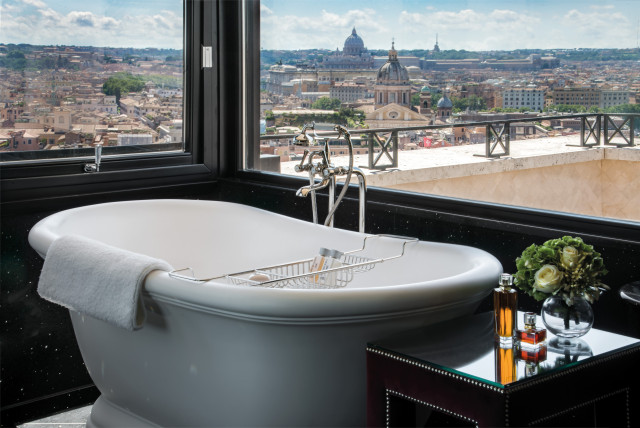
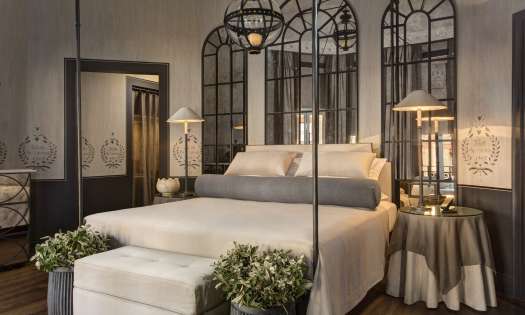
Rooms vary in plan, but follow a recognisable thread: parquet floors, weighty curtains, marble bathrooms, and traditional furnishings that sit easily within the building’s late-19th-century frame. Some look towards Trinità dei Monti, others out across the rooftops where St Peter’s dome sits on the horizon. On the upper floors, the late afternoon light lingers, catching on the stone and terracotta in a way that tends to hold your attention longer than expected.
The lobby sits just inside the entrance, with Salone Eva alongside it - a restaurant and bar - while the concierge desk remains in steady use throughout the day, handling taxis, reservations, and last-minute changes with little fuss. Breakfast is served in the Sala Medici between 7am and 11am. It combines table service with a small buffet, allowing for either a quick stop or a longer start to the day. Coffee is brought promptly, and hot dishes are cooked to order.
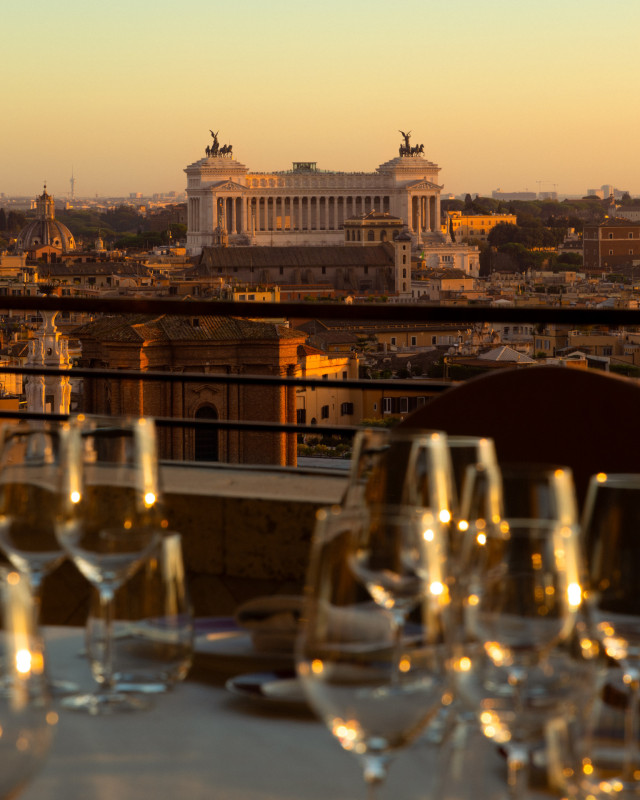
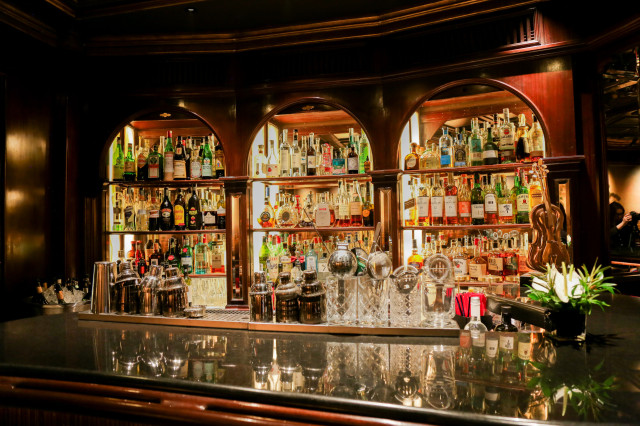
The 7th Floor Terrace is where the hotel really opens up. From here, the Spanish Steps fall away beneath you and the city stretches out in layers: rooftops, church domes, the line of St Peter’s sitting just far enough off to feel part of the skyline rather than the main event. It’s the kind of view that keeps pulling your eye back, even mid-conversation. The kitchen stays close to Roman ground. If you’re there between March and June, order the artichokes - they’re in season and noticeably better for it: soft without losing their bite, finished simply with basil oil. The carbonara is one of the better versions you’ll find in this part of the city. The guanciale comes crisped and finely cut, worked through the pasta rather than sitting in chunks, which keeps the whole dish from feeling too heavy.
Tables are closer than you might expect, and the terrace fills quickly. There’s a low hum once it gets going, but it fades into the background. Most people end up half-turned towards the view anyway. The hotel’s wine collection runs deep, with more than 2,000 bottles on offer, overseen by head sommelier Alessio Bricoli, including a handful produced exclusively for the hotel.
Elsewhere, a small spa and fitness area sits on the fourth floor. It’s there if you need it, though most people seem to pass through briefly rather than stay. A larger spa is opening towards the end of the year, nonetheless.
During peak periods, including the Italian Open, the hotel is typically full. Entry-level rooms start from around €2,000 plus VAT per night.
Day 1: Tennis First, Then Rome
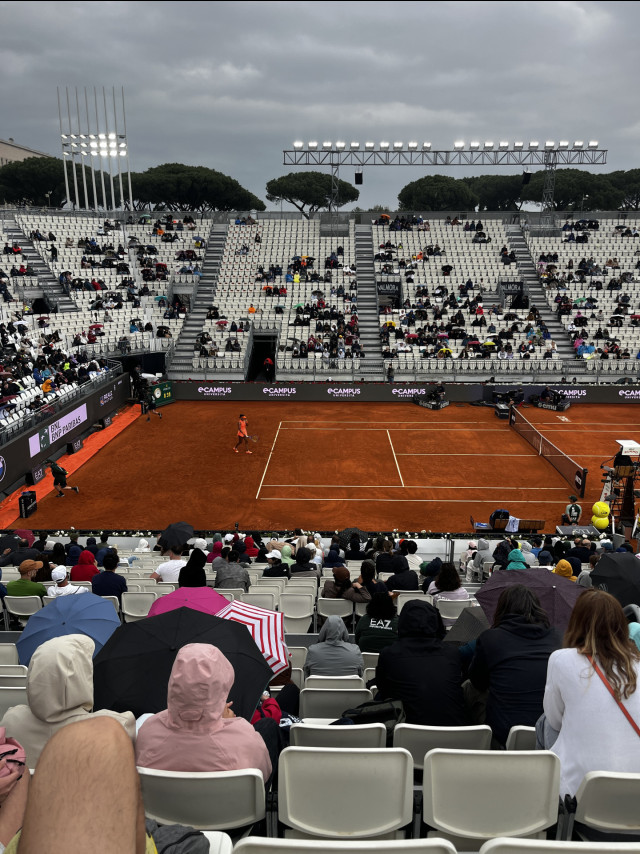
The Foro Italico sits in the northwest of the city, just beyond the Tiber near the Stadio Olimpico. From the Spanish Steps area, a taxi usually takes 20–30 minutes, but allow longer for late-morning sessions when traffic builds along Lungotevere. If you’re aiming for the first matches on Campo Centrale (usually from around 11am), leave earlier than you think as queues at the main entrance on Viale delle Olimpiadi can slow things down.
The site dates back to the 1930s, built under Benito Mussolini as part of the original Foro Mussolini. Much of that framework is still intact, and you feel it as you move through the grounds. The scale is deliberate, the lines are clean, and the use of marble and open space reflects the architectural thinking of the time.
At its centre, the Stadio Pietrangeli stands out. Designed by architect Enrico Del Debbio and opened in 1934 for a Davis Cup tie between Italy and Switzerland, it was conceived as a tennis arena that would sit comfortably within a monumental setting. Around 4,000 seats wrap the court, and a ring of marble statues – most sculpted by Eugenio Baroni, with one by Domenico Ponzi – looks down over the play. They depict athletes in various poses, fixed and expressionless, which gives the court a slightly unreal atmosphere when matches are in full flow.
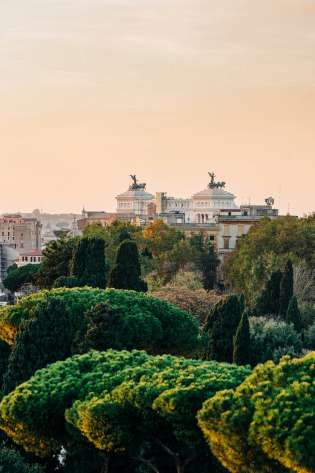
Elsewhere, the complex opens out into wide walkways lined with umbrella pines, with pale stone surfaces that reflect the light through the day. The combination of Carrara marble, open sky, and the movement of play on the clay courts creates a setting that feels very different from newer tournament sites. It is formal without being rigid, and once you are inside, it is easy to move between courts without losing your sense of where you are.
Food on site is serviceable but not a reason to stay. It’s worth leaving by early afternoon and heading back into the centre.
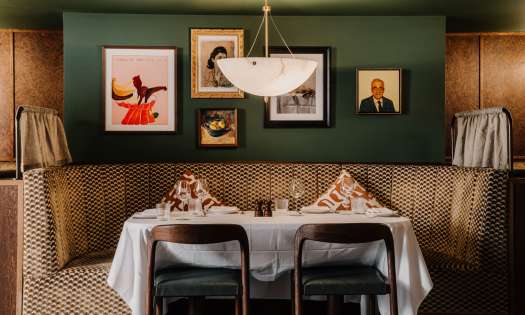
Near the Spanish Steps, Ristorante Nino is a dependable stop that hasn’t shifted much over the years. Opened in the 1930s, it keeps to a straightforward Roman menu and a steady local following. In May, artichokes usually appear in some form, and the pastas are what you’d expect – carbonara, cacio e pepe, amatriciana – done without much variation. Tables outside are the ones to aim for if the weather holds.
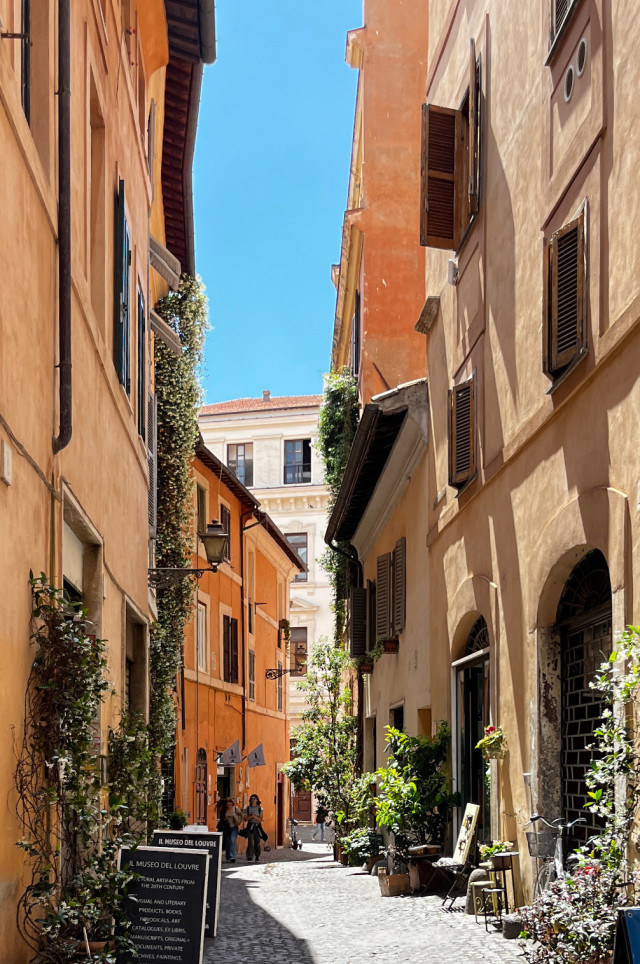
From there, it’s an easy walk towards the Pantheon, best done by drifting through smaller streets rather than following the main routes. Along the way, churches such as San Luigi dei Francesi or Sant'Agostino hold Caravaggio paintings in side chapels. They’re easy to miss if you’re not looking for them.
Dinner at the Hassler’s terrace needs booking ahead during tournament week. Once you’re there, there’s little reason to move on.
Day 2: A slower Start
Rome is at its best early in the morning, before the streets fill and the heat settles in - the version of the city Stanley Tucci tends to insist on.
Walk down the Spanish Steps just after sunrise, when they’re still relatively empty, and head towards Antico Caffè Greco for coffee and something small. It’s one of the oldest cafés in the city, open since 1760. Stand at the bar, order an espresso and a cornetto, take it quickly, and move on before it fills.
If you’re planning to see one museum, make it count. The Galleria Borghese is the strongest option nearby, but it needs to be booked in advance and runs on timed entry.
Inside, it’s compact enough to take in without fatigue. Gian Lorenzo Bernini’s Apollo and Daphne is the one most people stop for along with The Rape of Proserpina, where the detail in the marble still feels slightly improbable up close. In the painting rooms, Caravaggio’s Boy with a Basket of Fruit, David with the Head of Goliath, and Saint Jerome Writing are all here.
Or cross the river into Trastevere via Ponte Sisto. Around Piazza di Santa Maria in Trastevere - one of the oldest parts of the district - the basilica is usually open, with its 12th-century mosaics catching the light inside.
Lunch works best if you settle somewhere established rather than stopping at the first open table. Da Enzo al 29 is a reliable option. Alternatively, Trattoria Da Teo near Piazza dei Ponziani has outdoor tables under the trees, with Aperol spritzes in steady circulation.
After lunch, walk it off. Follow the river south for a stretch, or cross back over towards Campo de' Fiori and let the streets pull you along without much direction
Getting Around
Taxis are the simplest option between central Rome and the Foro Italico. Public transport works, but it’s slower and less predictable, especially if you’re trying to time it around matches.
Within the centre, walk. Distances look longer on a map than they feel on the ground, and you’ll see more by not trying to optimise routes.
Getting There
For departures, it’s worth keeping things simple. A private transfer with Blacklane can be arranged in advance, with collection directly from your door.
In London, the service covers all major airports, including Heathrow Airport, Gatwick Airport and London City Airport. Journey times vary depending on traffic, but as a guide, allow around an hour to Heathrow from central London, longer at peak times.
It works particularly well for short breaks, where flight times are often less convenient - early departures or late arrivals that make public transport less appealing. Cars are typically Mercedes saloons or similar, and drivers track your flight so pick-up times adjust if needed. The driver meets you at your address, handles luggage, and takes you directly to the terminal, which removes the need to think about timing or connections at the start or end of a trip.
When to Go and What to Expect
The Italian Open usually runs in mid-May. Expect warm days, cooler evenings, and the occasional short shower. The city is busy but not at peak levels yet.
Tickets for the main courts sell out quickly, but grounds passes are often enough if you’re happy moving between matches.
For decades, there has been only one answer to the question of where New York's stylish set disappears each summer: the Hamptons. Now, London has its own equivalent.
Desert & Delta Safaris' newest lodge champions regenerative tourism, understated luxury and the joy of experiencing the Okavango Delta at nature's own pace, says Amira Arasteh.
It’s not an exaggeration to say that the Super Bowl halftime show is partly what put American football on the map. Today, it is one of the world's biggest entertainment stages and goes beyond American culture.
Not just a personal favourite of the British royalty, every sports enthusiast wants to experience the revered Wimbledon Tennis Championship at least once in their lifetime.