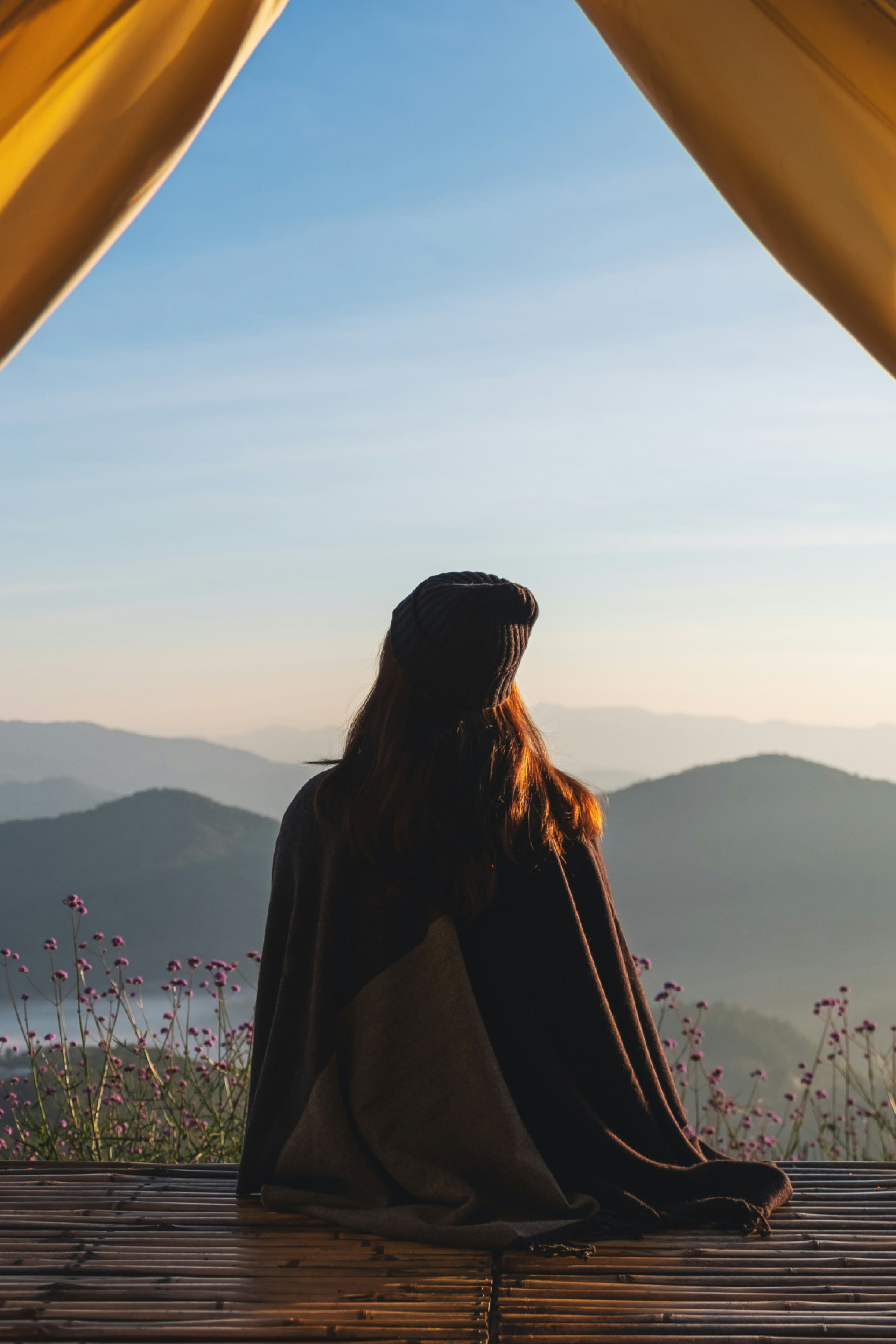
From detoxes to biohacking, Sarah Rodrigues explores the intersection of travel and wellness.
"Change of air - change of scene; those are my prescriptions."
So says Dr John - “the practical young doctor,” - in Charlotte Brontë’s novel Villette. Written in 1853 - nearly 200 years ago - his words demonstrate that the relationship between travel and wellness was well-recognised in far less sophisticated times than the ones we live in.
Even before the Victorian era, in fact, people left their homes in search of health: for over 1,000 years, from the 8th century BCE until the 4th century CE, supplicants visited the Oracle of Delphi in search of health advice, while ancient Romans sought the healing properties of renowned thermal waters.
So while wellness - and in particular, longevity - travel may seem to be having something of a moment, what we’re really seeing is an elevated twist on traditional wisdom. “Getting away from it all” has almost always meant “coming back to yourself” - even when air travel became more accessible, and European package holidays more popular, the idea of collapsing on a beach with an all-you-can-eat buffet nearby was couched in terms of R’n’R being the cure for a stressful modern life.
The interest in combining travel with wellness gained more traction after 2000, with activities such as yoga and meditation becoming more mainstream - and the rise of digital culture driving people to seek meaningful breaks from always being ‘on.’ There was an increased appetite for detoxes and resets, often in lush settings where travellers could feel they were shucking off the city and reconnecting with nature. In urban centres, too, the presence of spas and fitness facilities became a valuable addition to hospitality offerings.
And then came 2020 and with it, the pandemic. Suddenly, questions of mortality, quality of life and healthy ageing felt far more urgent and immediate.
Rapid advances in technology accompanied this. Wearables have been widely available since the early noughties. At the same time, biohacking has become less the domain of Silicon Valley and more widely embraced by businesses and individuals at almost every level. In fact, hotel pillow menus, with their ‘enhanced sleep quality’ promise, tap into this thinking. Wellness is no longer just about how we feel now, but about how long we’ll live, and how we’ll live better as we age. With average life expectancy markedly higher than it used to be, this latter point is, increasingly, key.
While the Netflix documentary series - Live to 100: Secrets of the Blue Zones - has also fuelled interest in the idea that certain lifestyles can promote longevity, it’s difficult to deny that the tendency for the hospitality industry to jump on the trend has sometimes seemed a little opportunistic. After all, the pillars of longevity in those Blue Zones have been recognised as functional movement, a sense of purpose, connection with others and a natural, plant-forward diet. What would the people of Okinawa - historically Japan’s poorest prefecture - think of paying £60 to use a hyperbaric chamber in an effort to prolong a healthy life?
It’s something that Celina Hiller, MD of the Longevity Hotels, is acutely aware of. Having launched the Longevity Collection in 2025, she’s curated a collection of 22 hotels - “each one personally visited and evaluated against our three core pillars: movement, recovery, and nutrition.” The rate of growth has been deliberate, she says: “we'd rather have 22 exceptional properties than 200 mediocre ones.
“But the deeper point is this: we genuinely believe that the foundation of a longevity lifestyle is essentially free. Regular movement - including strength and cardiovascular training - balanced nutrition, quality recovery, and emotional wellbeing aren't premium concepts: they're habits. A cryo chamber may be a valuable addition, but it’s the garnish, not the meal. The risk of longevity becoming synonymous with privilege only materialises if we allow the conversation to be dominated by its most expensive expressions.”
Similarly, she points out that the best longevity hotels aren’t the ones offering a quick reset via high-tech gadgetry and short-term lifestyle changes.
“The best longevity hotels aspire... to send guests home with new habits that become lasting routines,” she says. “The goal isn't transformation during the stay - it's behaviour change that outlasts the checkout. That's what we mean by sustainability in this context - the retreat is now a chapter within a continuous practice.”
‘Biohacking’ and ‘optimisation’ may sound techy - even nerdy - and therefore difficult to access but really, the point is to harness traditional wisdom and common sense in whichever ways are attainable. Move more, sleep better, spend time in nature, disconnect occasionally - whether through ancient rituals or modern biohacking, the goal is the same: not simply to live longer, but to live better.
Disneyland may not immediately sound like the definition of luxury, but there is no denying that this world-renowned theme park holds a special place for families from every walk of life. From celebrities such as Kourtney Kardashian, who has shared glimpses inside her frequent Disneyland visits, to families finally ticking a long-awaited trip off their wish list, or even friends making it their mission to celebrate a unique birthday, Disney has an extraordinary ability to appeal to everyone.
In this edition of Women Who Launch, The Sybarite talks to Penrod about the evolution of Nikki Beach Hospitality Group, from its original outpost on Miami Beach to resorts and residences in Antigua, Oman, Ras Al Khaimah, Marrakech and Azerbaijan.
Known for its minimalist design and wellness philosophy, Alila isn't the first hotel brand that comes to mind when travelling with children. But hidden inside Alila Shanghai is one of the most imaginative family suites we've ever experienced, complete with a vintage Shanghai tram bunk bed, fairytale interiors and thoughtful touches that encourage children to swap screens for imagination.
In Brief: The best luxury concierge companies in London include Velocity Black for app-based requests, The Sybarite for curated experiences and global event access, Knightsbridge Circle for invitation-only membership, Nota Bene Global for insider travel and Quintessentially for worldwide coverage. Membership ranges from £7.99 a month at entry level to around £150,000 a year, and most top-tier services are priced on application.
The second Andaz Shanghai has arrived in the heart of the city's commercial district, bringing together contemporary design, strong Shanghainese influences and a convenient city-centre location. After two nights at Andaz Shanghai ITC, we found it to be a particularly convenient choice for families, couples and business travellers looking for a modern city hotel without unnecessary fuss.
For those planning more than just a weekend in Shanghai, IFC Residence offers something many luxury hotels cannot - a genuine sense of home. Combining spacious apartment-style living with five-star hotel service, it has become our top recommendation for families, business travellers and anyone wanting to experience Shanghai comfortably without compromising on luxury.
Kerene Barefield meets Dr Souphi Samizadeh, the pioneering aesthetic clinician and
researcher who believes the future of beauty is not about looking younger, but about helping
our skin function better.
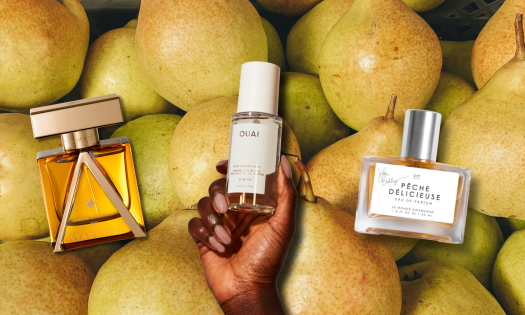
With fruity, gourmand fragrances continuing to dominate the perfume scene, we’ve rounded up 9 of the best juicy concoctions to put a pep in your step this August.