For decades, there has been only one answer to the question of where New York's stylish set disappears each summer: the Hamptons. Now, London has its own equivalent.
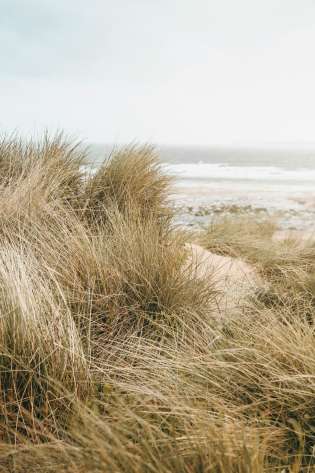
No, not Margate or Whitstable, but Rye. The East Sussex town, reached in just over an hour from St Pancras via Ashford, is quietly becoming the capital's most fashionable weekend escape. Technically, it isn't even on the coast. Instead, the medieval hilltop town sits around two miles inland, with the vast sweep of Camber Sands a 10-minute drive away. That separation has proved part of its charm: visitors can spend the morning browsing antiques beneath crooked Tudor buildings before heading to five miles of golden sand in time for lunch.
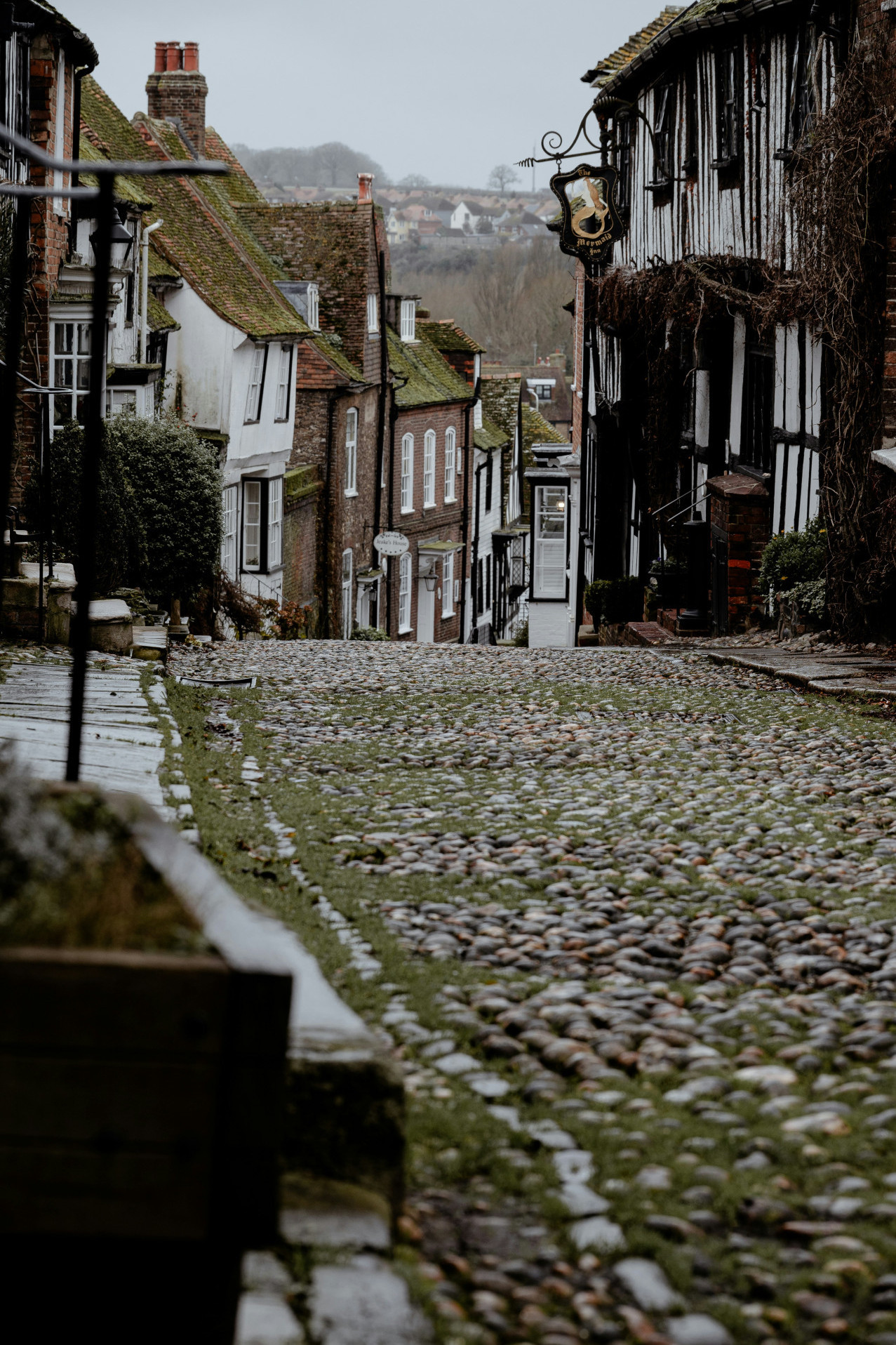
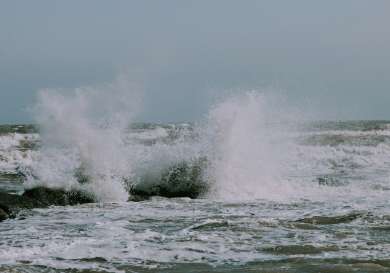
Nearly 800 years ago it was one of the original Cinque Ports, a confederation of towns granted special privileges by the Crown in return for supplying ships to defend England's south coast. At the time, the sea lapped at its walls. Storms and centuries of silting gradually pushed the coastline away, leaving the town marooned inland but remarkably well preserved. Today, Mermaid Street's cobbles, the 15th-century Mermaid Inn and the Georgian elegance of Lamb House, where Henry James wrote The Wings of the Dove, offer reminders that Rye has been attracting writers, artists and romantics for far longer than it has influencers and weekenders.
Where to Stay
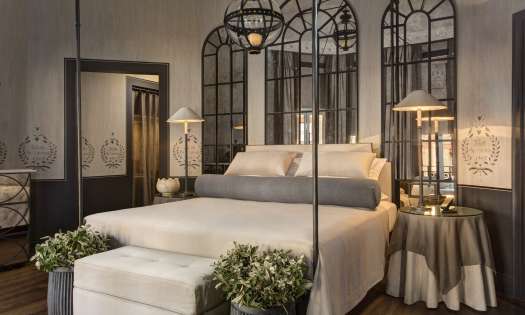
If Rye has an unofficial living room, it is The George, a Grade II-listed former coaching inn that has welcomed travellers since 1575. Following an extensive refurbishment, the 34-bedroom hotel has become Rye's smartest address, balancing centuries-old character with contemporary style. Original oak beams and open fireplaces remain, but bedrooms have been updated with velvet headboards, rainfall showers, Roberts radios, Nespresso machines and locally sourced toiletries. The larger rooms feature freestanding roll-top baths, while several overlook the bustle of the High Street below.
Its location is hard to beat. Step outside and you're moments from Mermaid Street, Lamb House and the independent boutiques that have helped redefine Rye's reputation, making it easy to explore on foot before returning for dinner or a cocktail in the hotel's lively restaurant and courtyard terrace.
Rooms start from around £180 a night, rising to more than £350 for the largest suites during peak summer weekends, reflecting Rye's growing popularity as a luxury staycation destination.
Those seeking a more atmospheric stay should book the Mermaid Inn, rebuilt in 1420 after the original building was destroyed by French raids. With uneven floors, timber beams and stories of secret passages used by the notorious Hawkhurst Gang, it is one of England's most characterful historic hotels.
Alternatively, five minutes down the road in Camber, The Gallivant offers a more contemporary, beach-house feel. Overlooking the dunes, its pale timber interiors, wellness programmes and seafood-led restaurant make it ideal for those planning to spend more time by the sea than in Rye's medieval streets.
What to Eat and Drink
For a town of barely 5,000 people, Rye punches well above its weight gastronomically. The fertile farmland of the High Weald and Romney Marsh supplies lamb, artisan cheeses and seasonal vegetables, while neighbouring Hastings – home to Europe's largest beach-launched fishing fleet – ensures restaurants have access to some of the freshest seafood in the country. The result is a dining scene that feels far more ambitious than the town's size suggests.
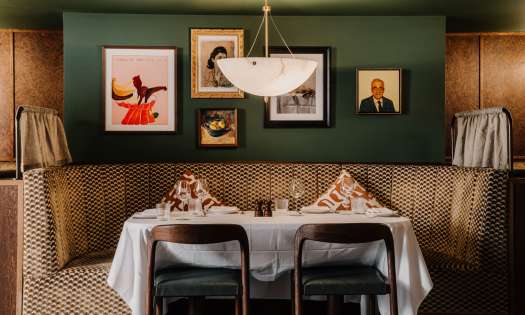
Webbe's remains the benchmark, with a menu built around whatever has come ashore that morning, from Rye Bay scallops to locally landed turbot. For modern British cooking, book The Union, set inside an elegant Georgian townhouse, while The Fig is the place for leisurely brunches, colourful sharing plates and natural wines, with tables spilling onto the street in summer.
Of course, no trip to the Sussex coast is complete without fish and chips. Marino's Fish Restaurant & Takeaway, a Rye institution for decades, serves crisp, golden battered cod, chunky chips and mushy peas just a short stroll from the High Street. Order it to go and head to nearby Camber, where there's something wonderfully British about eating supper on the dunes as the tide rolls in.
Then there's the wine. Sussex's chalk soils form part of the same geological seam as Champagne, helping producers such as Gusbourne, Tillingham and Chapel Down establish the county as one of England's leading wine regions. Many restaurants champion local bottles, making a glass of English sparkling the obvious accompaniment to dinner.
What to See and Do
Start where almost everyone does: Mermaid Street. The steep, cobbled lane, flanked by crooked Tudor and Georgian houses, is one of England's most photographed streets, but its beauty masks a far grittier past. In the 17th and 18th centuries, Rye was a notorious smuggling town, with contraband such as brandy, tea and lace hauled ashore along the Sussex coast before disappearing through hidden passages and cellars beneath the town.
Just around the corner stands Ypres Tower, the fortress that has guarded Rye for almost 800 years. Built around 1249 during the reign of Henry III following devastating French raids on the town, it formed part of the new defences protecting one of England's most important medieval ports. Over the centuries it has served as a prison, courthouse and, later, the town mortuary. Today it houses Rye Castle Museum, whose exhibitions explain how storms and centuries of silting transformed Rye from a thriving harbour into the inland town it is today. Climb to the top and you'll be rewarded with sweeping views across Romney Marsh, the River Rother and the coastline that once reached the town's walls. For another perspective, climb the 18th-century bell tower of St Mary's Church.
No visit, however, is complete without heading four miles south to Camber Sands. Stretching for almost five miles, it is one of Britain's finest beaches and home to East Sussex's only extensive dune system. Its vast expanses of pale sand have appeared in films including Dunkirk and The Theory of Everything, while the reliable coastal winds make it a favourite with kite surfers and paddleboarders. On sunny weekends, much of London seems to have brought a striped umbrella and a bottle of pét-nat.
The Verdict
Rye may lack the Hamptons' oceanfront mansions and celebrity compounds, but that misses the point entirely. What it shares is a way of travelling: long weekends built around excellent food, beautiful surroundings and a slower pace of life, all within easy reach of the city. Its luxury is understated rather than flashy, and better still, it is rooted in centuries of history, from medieval merchants and literary greats to smugglers who once hid contraband beneath these same cobbled streets. For Londoners increasingly questioning whether every great escape needs a flight, Rye makes a compelling case that Britain's most fashionable seaside destination has been hiding in plain sight all along.