In this edition of Women Who Launch, The Sybarite spoke to Roxanne Pryor about the origins of her functional mushroom brand, Superoom, how she overcame challenging business hurdles and her future plans for brand evolution.
Superoom’s Founder and CEO, Roxanne Pryor, became fascinated with functional mushrooms after she experienced a series of health issues prompted by copper toxicity from the copper IUD. Despite a string of prescriptions and visits to the doctor, it was her discovery of functional mushrooms that ultimately helped to alleviate symptoms and led to the launch of Superoom.
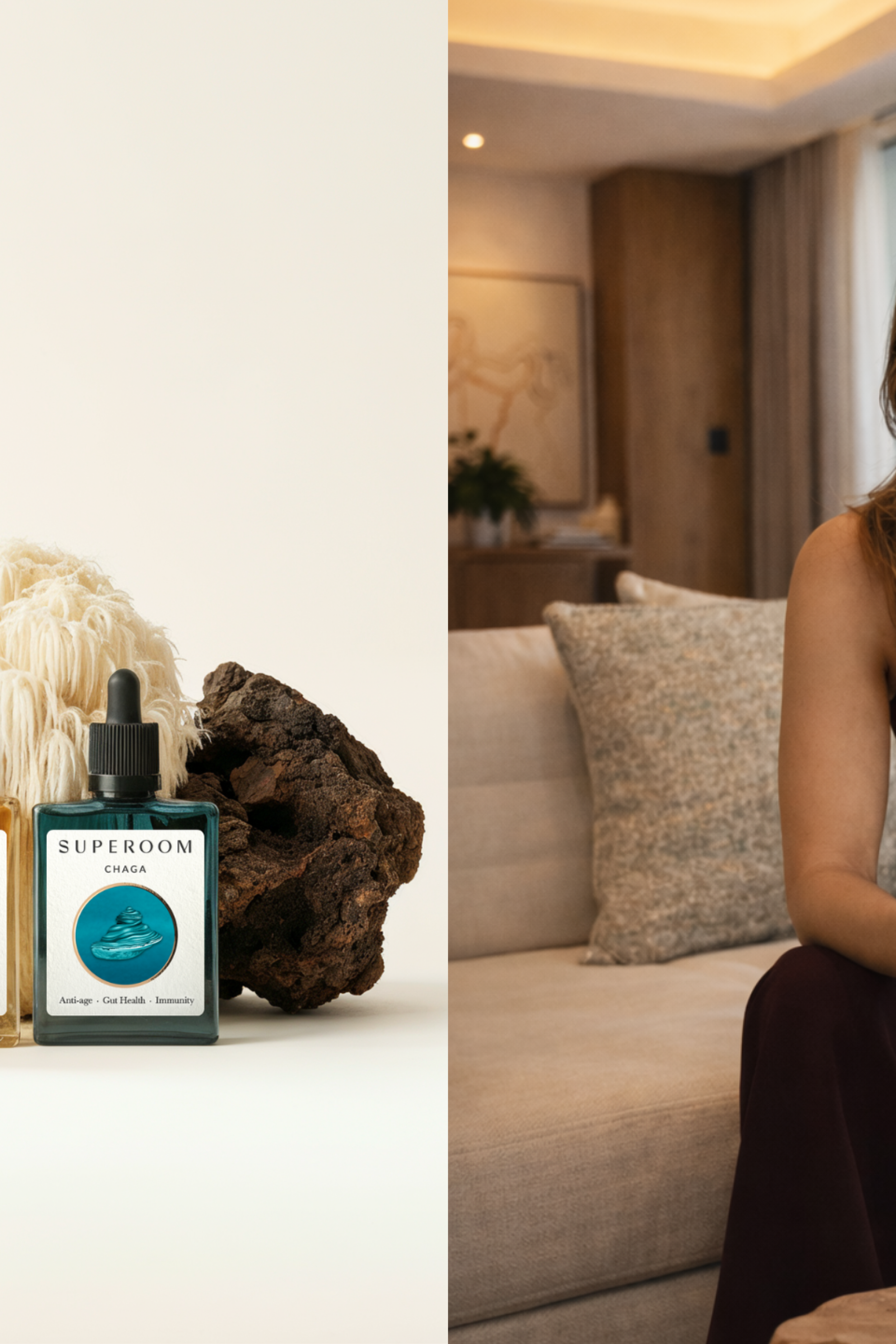
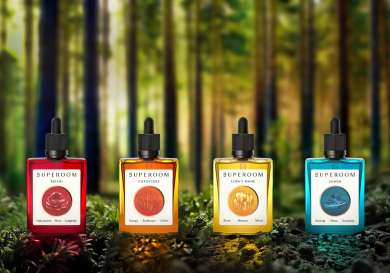
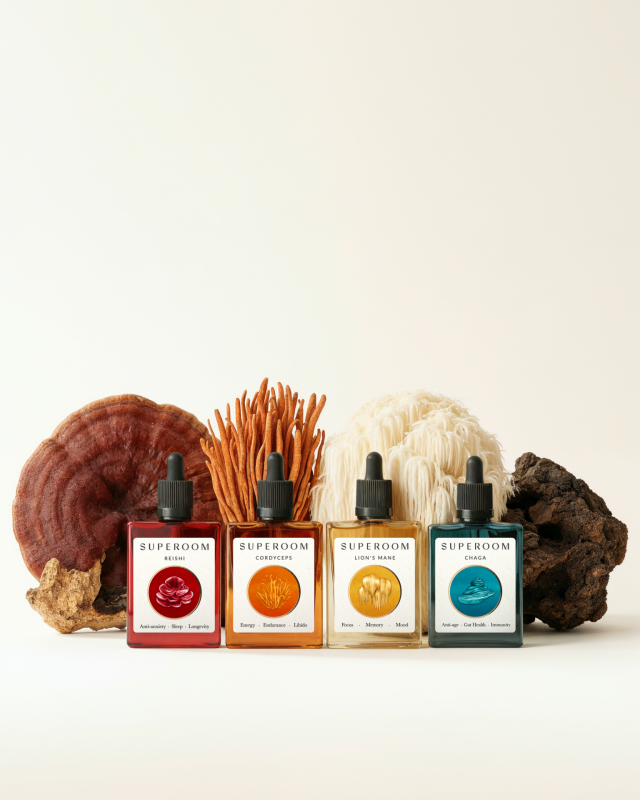
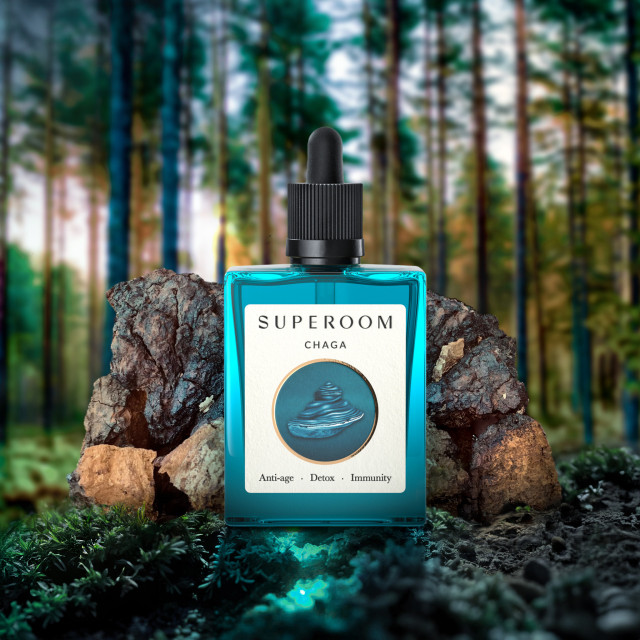
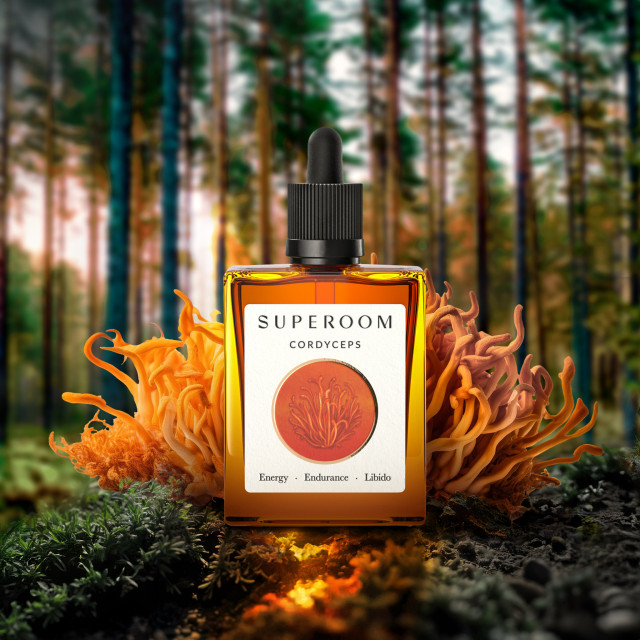
While the majority of products already on the market are powder or capsule-based, Pryor wanted to create a liquid-based product that was easier to use, potent, and aesthetically pleasing. She landed on clinical-grade, organic mushrooms from Finland which are “exceptionally pure, nutrient-dense, and free from contaminants, ensuring maximum bioactive potency and efficacy possible.” The brand currently has four supplements: Reishi for ultimate recovery, Cordyceps for athletic performance, Lion’s Mane for mental performance, and Chaga for inside-out beauty.
Roxanne, you turned to functional mushrooms after you experienced copper toxicity from the copper IUD - had you always been curious about the power of mushrooms?
Actually, yes - but from a very different angle initially.
I became fascinated by the research emerging around psilocybin and MDMA, particularly in the treatment of PTSD. That curiosity opened the door to a much broader world. I started to realise there are thousands of mushroom species, each with its own unique family of compounds and biological effects.
What struck me was how much of this remains underexplored - a depth of science that hasn't yet been fully translated into everyday use. When my own health crisis hit, that intellectual curiosity became something far more personal. I wasn't just exploring mushrooms - I was relying on them to understand how to support my own body again.
Can you tell us about the origins of Superoom?
Superoom didn't start as a business idea - it started with a loss of self.
After getting the copper IUD, I began experiencing a cascade of symptoms I couldn't explain - intense anxiety, brain fog, cystic acne, tremors, pre-diabetes and a complete shift in how I felt day-to-day. I went back to doctors repeatedly and was told it couldn't possibly be the IUD. Instead, I was placed on multiple prescriptions.
At one point, I didn't know whether what I was experiencing was coming from the device, the medication, or both. I went from being sharp, highly capable, and able to operate at a high level - to feeling like I was unravelling and unable to function.
That experience of being dismissed and disbelieved forced me to take ownership of my health in a completely different way.
Superoom was born from that moment - from the realisation that there needed to be better, more transparent ways for people to support their bodies without losing themselves in the process.
What was the biggest hurdle you had to overcome when launching the business?
Launching the business while going through appendicitis - and a failed first surgery - was without question the most extreme.
The initial operation went wrong, and I spent weeks being continuously sick, unable to function properly, while still trying to hold down a full-time job and build the company. I was coordinating supply chain, production, and launch from a hospital bed.
At one point, we couldn't secure a production slot, and I was seriously considering hand-filling thousands of bottles myself, fresh out of surgery.
It was my first time building something at this scale, so everything that could go wrong did - and I navigated most of it alone. That forged something in me I don't think any other experience could have.
What surprised me most was the mindset it required. There's something that takes over as a founder - a kind of irrational determination - where stopping doesn't feel like an option. You know the end product will genuinely help people, and that creates a level of commitment that overrides everything else.
There are four Superoom formulas — can you briefly explain what they're each designed to do?
Each formula is designed to support a different system in the body:
Lion's Mane: cognitive clarity, focus, and long-term brain health
Reishi: stress regulation, nervous system support, and sleep
Cordyceps: energy, stamina, and physical performance
Chaga: immune resilience, antioxidant support, and longevity
The idea is simplicity and intention - you can take one depending on what you need that day, or layer them as your life's demands shift.
The beauty and wellness space is very saturated - how do you cut through the noise?
We don't try to compete on noise - we compete on depth.
At a product level, we use ultrasonic triple extraction, which breaks down the mushroom cell walls to release the full spectrum of bioactive compounds. Without that, you're not actually accessing what makes mushrooms effective.
But beyond the science, it's also about experience.
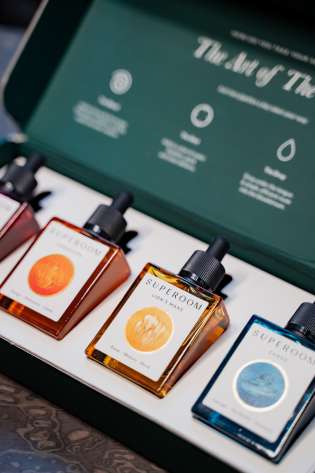
We've designed Superoom to be something you want to use - not something hidden away in a cupboard. The bottles are bold, tactile, and intentionally designed to live out on your counter.
We call it The Art of the Drop - a small daily ritual that feels grounding, effortless, and repeatable.
For us, it's about merging potency with pleasure. Because if something doesn't fit beautifully into your life, you won't stay consistent with it.
For those who aren't familiar with functional mushrooms, can you outline some of their key benefits and why they've risen in popularity in recent years?
People are realising that mood, energy, immunity, and cognitive performance aren't separate systems - they're deeply interconnected. Functional mushrooms work on that interconnection.
Lion's Mane, for example, contains compounds that have been studied for their role in supporting nerve growth factor and long-term cognitive function. Other mushrooms contain unique compounds like triterpenes that support immune response, stress regulation, and cellular health.
Their rise reflects a broader cultural shift - away from quick fixes and towards approaches that work with the body's own systems, sustainably and over time.
We've actually written a detailed white paper breaking down the science behind each strain, because we believe people should understand why something works - not just take it blindly.
What does a typical day look like for you?
There's no typical day - which is both the challenge and the draw.
A morning might start with a fundraising call, move into a conversation with our hospitality partners, then shift into reviewing a new formula iteration or signing off on campaign creative. By afternoon I might be in a different city entirely.
The real skill at this stage isn't energy - it's discernment. Knowing what actually moves the needle versus what just feels urgent. That's the muscle you're always building.
And then, alongside all of that, trying to find moments to properly switch off - which is often the hardest part of all.
What's next for Superoom, and how would you like to see the business evolve?
Right now, the focus is on refining the offering and responding directly to how customers are using the product.
Launching into hospitality - including upcoming partnerships like the W Hotel - has required us to rethink packaging, formats, and how the product shows up in a physical environment. That kind of real-world feedback is invaluable at this stage.
We're also in an exciting phase of growth capital conversations - looking to bring in partners who share the vision for what this brand can become at scale.
Longer term, I see Superoom as more than a product - it's a way of living. It's about empowering people to make better health decisions through transparent, science-backed information. We're not here to dictate - we're here to give people the tools to take ownership of their health.
What advice would you give to any aspiring female founder?
Trust your intuition - and lean into it.
There's often an expectation that leadership requires you to operate in a more traditionally "masculine" way - but in reality, your intuition, emotional intelligence, and ability to read people are some of your strongest assets. Don't dilute that. That's what makes people connect with you.
Be incredibly intentional about who you build with. The right people will accelerate everything. The wrong ones will drain your time, energy, and clarity.
Ask for help. The startup ecosystem is far more collaborative than people realise - and the more you support others, the more that comes back around.
And finally - protect your energy like a business asset. Every decision about who you build with, who you let close, and where you direct your focus compounds over time. The clarity of that selection is what separates founders who burn out from those who build something lasting.
Kerene Barefield meets Dr Souphi Samizadeh, the pioneering aesthetic clinician and
researcher who believes the future of beauty is not about looking younger, but about helping
our skin function better.
With fruity, gourmand fragrances continuing to dominate the perfume scene, we’ve rounded up 9 of the best juicy concoctions to put a pep in your step this August.