Uluru is a UNESCO World Heritage site that attracts travellers from all over the world. Our guide highlights everything you need to know about visiting Uluru, including some of the best things to see and do.
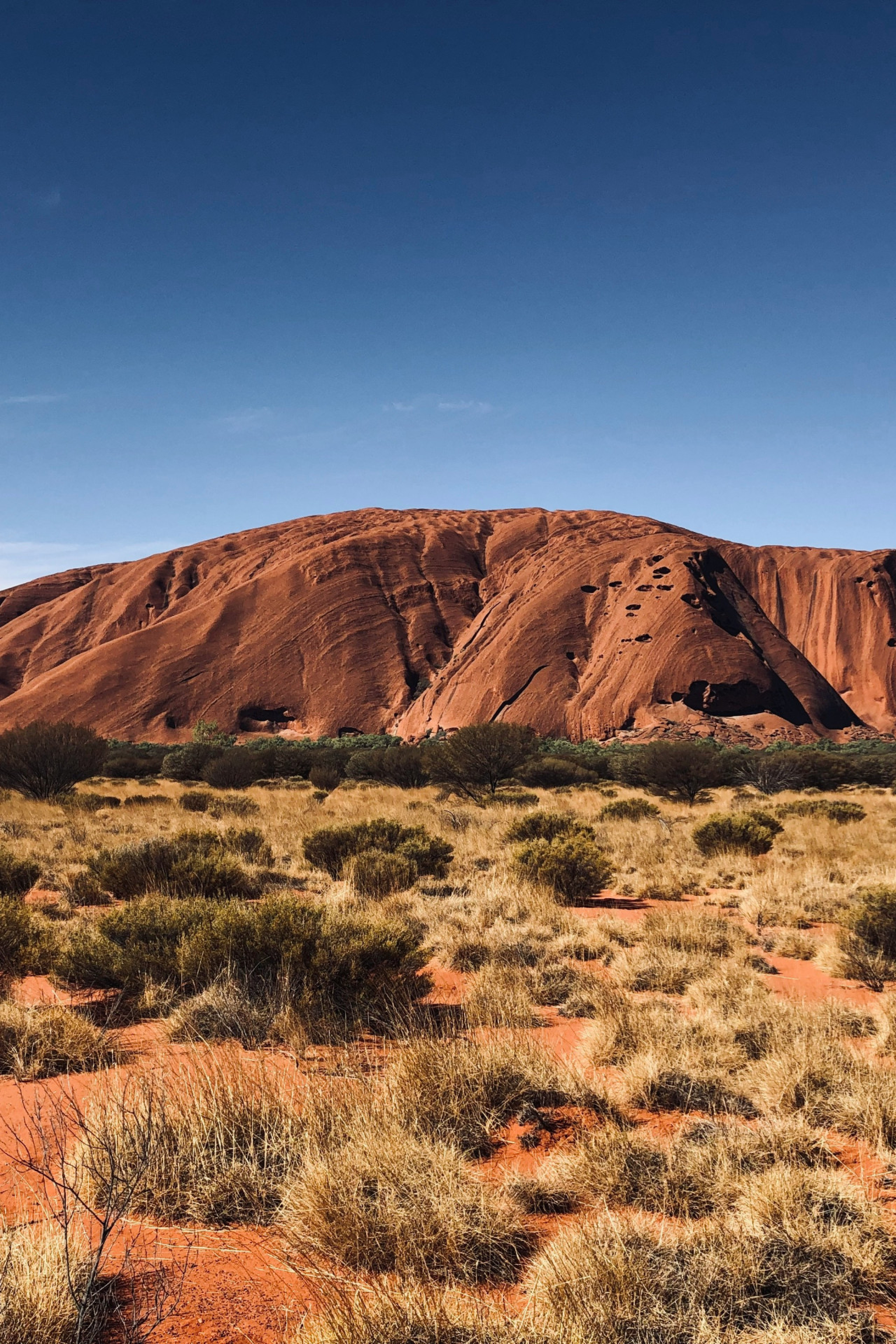
In Australia’s heart, Uluru, or Ayers Rock, is a sandstone monolith standing 348 meters tall in the middle of the desert. It’s one of the country’s most well-known natural landmarks and a sacred site to the Anangu people, the traditional owners of the land.
Why Visit Uluru?
To understand Uluru’s significance, we first need to look at the Anangu peoples’ story. They’ve lived in the area for more than 10,000 years and are one of the oldest living cultures in the world.
If you are a history lover, this place has a lot to offer. Uluru, one of the largest sandstone monoliths in the world, is about 550 million years old.
From scenic sunrises and sunsets that light up Uluru in the most splendid hues of red and gold to camel rides through the endless desert and stargazing immersed in the perfect silence of the wild, the region provides countless opportunities to reconnect with the raw beauty of nature.
Uluru offers something for every type of traveller, including adventurous hikes through the desert, breathtaking views, and cultural and educational activities that shed light on the lives of the locals.
12 Best Things to Do in Uluru
1. Watch a Sunrise Over Uluru
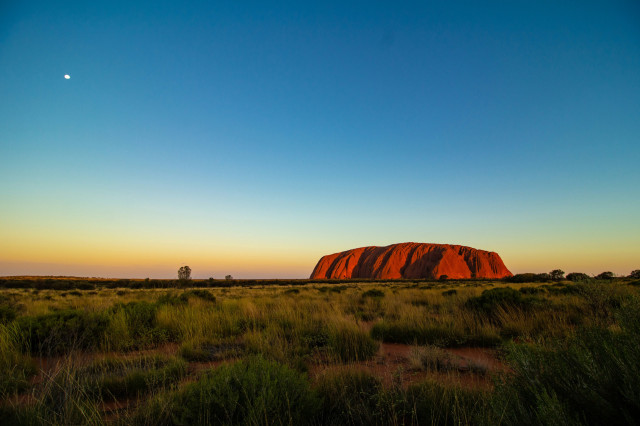
You cannot go to Uluru without witnessing the monolith shifting colours magically as the sunrise light touches it. In the peaceful moments of the desert morning, you can see why the Anangu people hold this rock in such reverence: Uluru appears to oscillate between shades of fiery red, burnt orange and intense purple.
Why it stands out
The magical light show is a result of the landmark's composition. The reddish colour in the rock derives from iron oxide in the sandstone which seemingly shifts colour as the light hits it a different angles. For a memorable viewing experience, visitors are encouraged to watch this extraordinary natural phenomenon from Talinguru Nyakunytjaku or Kata Tjuta Dune Viewing Area.
Practical tip
It’s important to secure your spot if you want to catch the phenomenon in all its glory as the specially-designated platforms tend to fill up quickly, especially during high season. We’d recommend you get there at least 30 to 45 minutes before the actual sunrise.
2. Walk the Uluru Base Track
While climbing Uluru is legally prohibited (as of October 2019), there are still myriad ways to interact with the grandiose monolith. One of the best ways to appreciate the landmark is to walk the10km around its base.
Why it stands out
You’ll get the chance to closely observe the many natural formations that add to the charm of Uluru, including the caves and the desert vegetation that grows right against the rock. Many of these features are a direct result of erosion over millions and millions of years.
During this walk, you’ll also encounter the Mutitjulu Waterhole, an important spot to better understand the cultural and spiritual significance of the monolith. The rock art here notably tells the story of the Anangu people.
Practical tip
We’d recommend you start the journey as early as possible, as temperatures can get very high as the day progresses. The trek is relatively easy with mostly flat terrain and should take between three and four hours to complete. Don’t forget to carry plenty of water and keep your eyes open for the geological and cultural wonders you’ll encounter.
3. Experience the Field of Light Installation
Unsurprisingly, the monolith has served as a source of inspiration for multiple artists. Chief among them is British artist Bruce Munro whose installation, The Field of Light, has quickly become of the most popular highlights of the Uluru experience.
Why it stands out
The 50,000 colourful light stems are spread across the area overlooking the monolith and, as the night falls, they illuminate the desert in dazzling shades of blue, red, gold, and violet. Visitors can walk through the lights, making the experience even more immersive and surreal.
Practical tip
The Field of Light is usually combined with evening tour experiences, which include magical dinners under the night desert sky, stargazing, and sunset viewing opportunities. We recommend trying these special experiences, since they can enrich your journey and add an extra layer of wonder.
4. Take a Guided Cultural Tour with Anangu Guides
If you're looking to experience Uluru in its entirety, opt for a cultural tour with a local Anangu guide instead of using the average national park map. Expect to learn more about Tjukurpa, the ancient foundational belief system that enriches the history of the monolith, as well as stories relating to the beginnings of time, the animals, and the spirit of the region.
Why it stands out
During the guided tour, you’ll also discover the meanings behind the many ancient symbols found in caves and on the rock's surface. Beyond this, you'll get a glimpse into the Anangu customs and traditions and learn more about the surrounding desert plants and wildlife.
Culturally understanding the importance of Uluru and the mystical stories behind its origin will transform a simple visit to a natural landmark into an immersive experience where you actually feel like you’re engaging with a living cultural landscape.
Practical tip
We recommend that you book the guided tour in advance and choose a small-group experience if possible. They tend to be more personal this way and will give you the chance to ask more questions and engage directly with your Anangu guide.
5. Visit the Uluru-Kata Tjuta Cultural Centre
If you want to deepen your understanding of the Uluru-Kata Tjuta National Park, visit the Uluru-Kata Tjuta Cultural Centre which is located near the base of the monolith.
Why it stands out
Inside the centre you’ll find many different exhibitions and educational displays designed to help you understand the cultural significance of the area. You can admire traditional Anangu art created by local artists, displays about the flora and fauna of the region, and interactive exhibitions explaining the local belief system.
Practical tip
We recommend taking your time with these exhibitions and speaking with local staff or artists to further broaden your understanding. Try and visit the Centre before you visit the National Park for a more holistic understanding.
6. Explore the Kata Tjuta Valley of the Winds Walk
Just 25 kilometres away from Uluru you’ll find another magnificent natural formation: the Kata Tjuta, which literally means ‘many heads’. This incredible site features 36 massive dome-shaped rock formations spread over more than 20 kilometres.
Why it stands out
You can experience this geological marvel up close by taking the Valley of the Winds Walk or the Walpa Gorge Walk, a trail that’ll take you through narrow valleys to panoramic lookouts. The trail is a circuit of about 7.4 kilometres that can be completed in roughly three to four hours, but, unlike the Uluru base walk, the terrain won’t always be flat.
Practical tip
There’ll be rocky sections, and sometimes even steep terrain, so wear appropriate footwear. Due to the extreme temperatures, it's also advised to carry sufficient water for the journey. With this in mind, it's worth setting out in the morning or late afternoon when the temperatures are much cooler.
7. See Uluru from the Air on a Scenic Flight
You don’t necessarily have to embark on a hike to take in the beauty of Uluru. Another great option is to take a scenic flight that offers a completely different view of the whole desert landscape. This is a truly striking experience as the aerial view allows you to see the monolith’s deep red coloured shape and texture against the golden desert.
Why it stands out
Many of these flights will also give you a spectacular view of the surrounding Kata Tjuta formations, offering an entirely new perspective of the whole national park. While ground-level exploration gives you a close-up view of the geological wonders, the aerial view is something else entirely.
Practical tip
You can choose between helicopter tours, which are ideal if you’re looking for closer views and excellent photography opportunities, and small-plane tours, which cover a wider area and last longer. You can also choose if you want to experience the landscape during sunrise or sunset hours.
8. Join a Desert Stargazing Experience
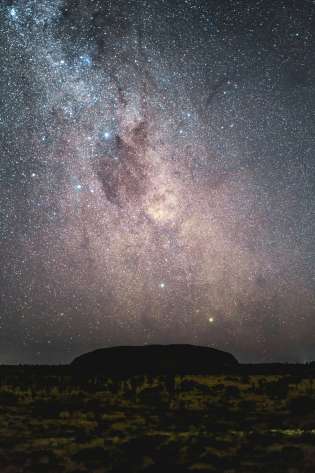
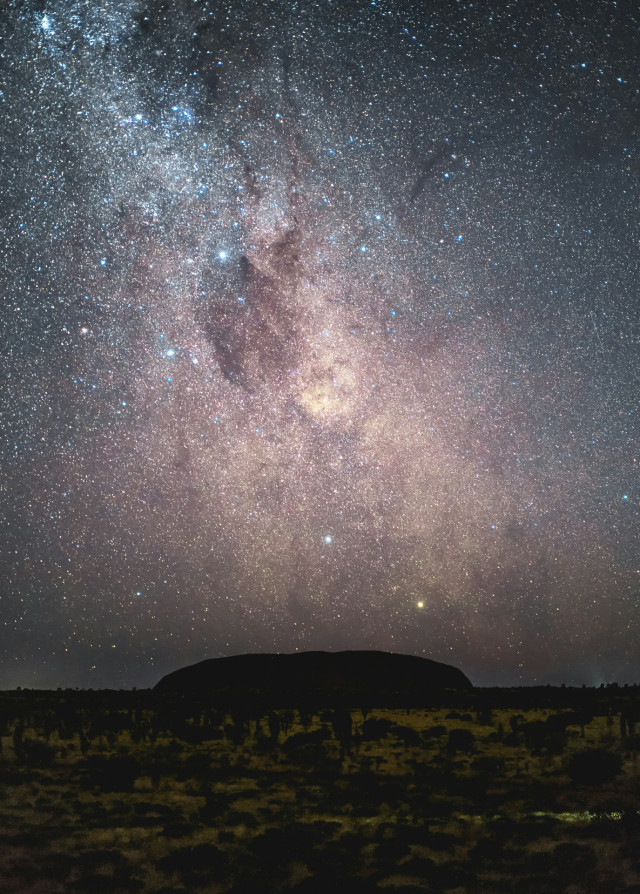
For something out of the ordinary, sign up for a stargazing experience. The dry desert air reduces the atmospheric haze, and the consistently clear weather ensures that the stars can be appreciated in all their sparkling glory. These conditions make an Uluru trip one of the few places on Earth where you can truly appreciate the wonders of the night sky.
Why it stands out
Uluru's desert night sky is unique because it hasn't been tainted by pollution from towns and cities. As a result, visitors are able to enjoy a truly cinematic sky full of stars.
Practical tip
You can opt for one of the many guided astronomy tours, which usually include access to professional telescopes and expert guides. Expect to find out more about the constellations and celestial bodies, alongside magical indigenous stories detailing the role of the stars in the daily life of the Anangu people.
9. Ride a Camel Through the Desert
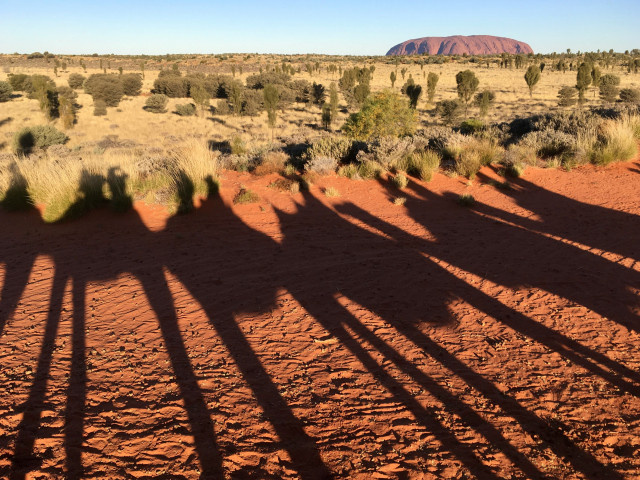
If you're looking for a more adventurous activity, opt for a camel ride through the desert. You can usually choose either the sunrise or the sunset hours for a small-group guided tour.
Why it stands out
According to tourists, this is one of those experiences that elevates the entire trip. Experienced guides will share stories about the history of camels traveling across Australia as you admire the beautiful landscape unfurling in front of you. The most popular times for these tours are usually at sunset when the temperatures are cooler and the skies are illuminated with shades of pastel orange, pink, purple and blue.
Practical tip
These tours take up to one hour so wear something comfortable and bring suitable sun protection.
10. Take a Desert Photography Tour
Uluru attracts many geology enthusiasts and spiritual seekers, but it’s also the perfect place for photographers of all levels. Its dramatic scenery and striking contrasts provide countless opportunities for spellbinding photos.
Why it stands out
It’s best to take a guided photography tour with experts who can take you to specially chosen places where the lighting and landscape come together perfectly. Many of these tours schedule stops at various viewpoints, allowing you to capture the magnificent monolith from different angles and in different lights.
Practical tip
If you're travelling in a group with people of different skill levels, you’ll pick up useful tips regarding camera settings, composition techniques, and the best angles in order to capture the perfect image.
11. Experience a Luxury Outback Journey (Sybarite Experience)
Visitors looking for a holistic experience that captures the spirit of the area should explore The Sybarite's Immerse Journey into Uluru & The Red Centre. The luxury experience focuses on offering you a personalised journey in Australia’s cultural heart.
Why it stands out
We've handpicked gorgeous accommodation options, unique free guided walking experiences, and exclusive access to some of the most beautiful locations in Australia’s Red Centre. The core of this journey is creating an experience that goes beyond the ordinary.
Highlights may include fine dining under the stars, guided tours of the monolith, luxury accommodation, scenic flights over the desert, and exclusive stargazing experiences in remote locations.
Practical tip
Whether you are a luxury aficionado or a heritage lover, this experience is for you. We would recommend you to go from April to October for the best weather conditions.
Find out more about The Sybarite's experience here.
12. Watch the Uluru Sunset Viewing Experience
If you’re not a morning person, you can still admire the beauty of Uluru during sunset. As the light fades, the iron-rich surface of the rock dramatically changes colours minute by minute, showcasing hues of deep red, intense orange, and dark purple.
Why it stands out
You can enjoy the sunset spectacle from multiple viewing spots including the Uluru Sunset Viewing Area or Talinguru Nyakunytjaku. You can also combine the sunset viewing with other evening events such as a night dining experience in the desert or a stargazing tour.
While both the sunrise and the sunset provide breathtaking views, the latter is special because it shows the vast desert in a unique light, often leaving visitors in awe of the grandeur and sacredness of the landscape.
Practical tip
As these spots fill up pretty quickly, arrive 30 to 45 minutes before the actual sunset, and linger a while after the sun sets as the rock will continue to glow in the low light. Don’t forget to bring water and a jacket, as the desert temperatures can drop quickly in the evening.
When Is the Best Time to Visit Uluru?
The best time to visit Uluru is between May and September, as the daytime temperatures don't go beyond 70-80 degrees Fahrenheit.
March-April and October are also good months to visit, with temperatures not typically exceeding 90 degrees Fahrenheit.
The summer months, namely November-February, are the hottest months, with temperatures exceeding100 degrees Fahrenheit. Due to the heat, some trails may close.
Tips for Planning Your Uluru Visit
Since Uluru is located inside the Uluru-Kata Tjuta National Park, it’s important to plan your visit beforehand and ensure you’re aware of the park’s regulations. The park is jointly managed by the Anangu people and Parks Australia, which oversees conservation and visitor management across the area.
You’ll need a park pass that you can buy either online or at the gate. Passes cost $38 for three days per adult.
For accommodation, you’ll find plenty of options in Yulara, just outside the national park. The town square boasts hotels for all budgets in addition to multiple shops, restaurants and even a spa. Most visitors also stay at Ayers Rock Resort located at the Ayers Rock Campground.
Finally, to get the full experience of Uluru, it's advised to spend at least three days here. This allows you to witness the sunrise and sunset over the monolith, explore one of the popular trails, visit the cultural centre, and enjoy one of the evening activities as well.
Final Thoughts
Uluru is a UNESCO World Heritage site and one of Australia's most recognised landmarks. Aside from it's geological and geographical significance, it is also a place of great cultural and spiritual significance for the continent and beyond.
Visitors can admire the scenic views over the monolith during at sunrise and sunset, walk one of the many popular trails, join a stargazing tour, ride camels, take a scenic flight over the desert, and learn about the cultural and spiritual significance of the place.
You’d need at least three days to properly soak up the wonder of the landmark whilst still having time for treks, flights and any additional activities.
You can't climb Uluru. The climb was permanently closed on 26 October 2019, due to its deep cultural significance to the Anangu traditional owners, as well as safety and environmental concerns.
Moreover, it’s recommended to respect the park regulations, stay on the marked trails, and respect any photography restrictions.
The best time to visit Uluru is between May and September, as the temperatures are comfortable enough to allow for outdoor activities during the day.
For decades, there has been only one answer to the question of where New York's stylish set disappears each summer: the Hamptons. Now, London has its own equivalent.
Desert & Delta Safaris' newest lodge champions regenerative tourism, understated luxury and the joy of experiencing the Okavango Delta at nature's own pace, says Amira Arasteh.