Baldwin Ho boards the Lucy Mary to explore some of Scotland's majestic offshore islands.
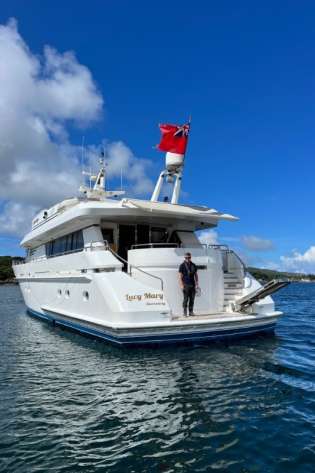
With over 790 offshore islands in Scotland, a small ship cruise is an ideal way to sample the awe-inspiring coastlines, diverse wildlife, and ancient history. Hebrides Cruises is an industry leader in bespoke, unique cruises and has been navigating these regions for over three decades. It currently has a fleet of three ocean-going vessels: Lucy Mary, Emma Jane, and Elizabeth G. Each has its own quirks and charms, but the experience is shaped by the same four-person crew: skipper, chef, steward, and wildlife guide.
Yacht Cruises vs Traditional Cruises
This kind of cruising is a million miles away from the horror stories you hear about thousands of cruise passengers descending onto tiny Greek islands. Hebrides Cruises' ships typically hold 8-10 guests, making them far more nimble and adaptable when it comes to reaching hidden island gems and anchoring at secret hideaways. They all have a zodiac (inflatable boat) on board, which can be used to take guests ashore (even on remote islands), taken into sea caves, or used to bring passengers closer to wildlife.
Traditional cruises have very fixed itineraries and timings. With a yacht cruise, there is much more flexibility. On our cruise, Captain Neil White made sure we anchored every night at the calmest waters. With the knowledgeable help of Indy Greene, our wildlife guide, we always sailed along parts of the coast where it was more than probable we would spot the local fauna.
The Crew Makes All The Difference
The key to success lies in their fabulous crew and how there isn't a staff and guest divide. Neil or Indy would dine with all the guests every night to share fascinating stories from their adventures. Neil has been in the sailing business for decades and knows the Hebrides like the back of his hand. At some point during the cruise, you will get to visit the bridge and learn how the navigational systems work and discover all the sustainability efforts initiated by Hebrides Cruises to minimise environmental impact.
Meanwhile, Indy is an official ambassador to both the RSPB and Butterfly Conservation. He would spend hours diligently spotting wildlife, so you won't miss any potential sightings. Be prepared to hear more about the way you can differentiate between various bird calling sounds. He is also an avid naturalist, a wildlife campaigner, and, crucially, a wonderful host.
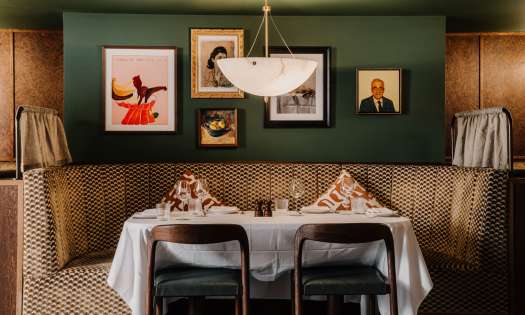
Meanwhile, steward Jasmine will literally trek up steep cliffs to bring you your afternoon tea and Prosecco. Her table settings are always a sight to behold every evening. She remembers your drink preferences, even before you've realised you are thirsty. Above all, you feel the team genuinely love their roles and working together.
Every night, we would get an update from Neil and Indy on the wildlife we had spotted during the day. It was often an impressive list that included seabirds such as razorbills, guillemots, kittiwakes, and shags, alongside sea creatures including otters and dolphins. Beyond this, land creatures would include playful lambs and the famous wild, black rabbits of Mull.
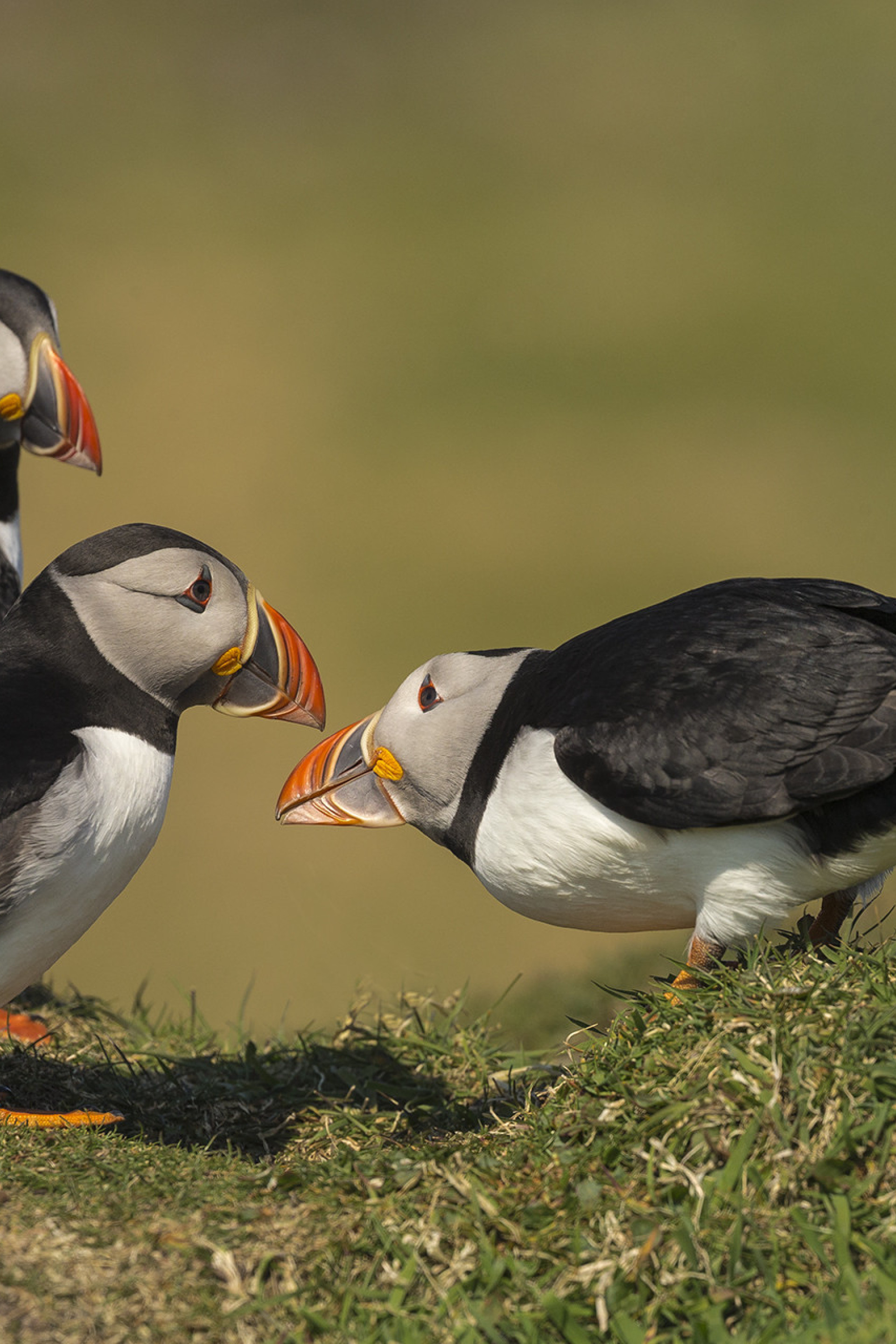
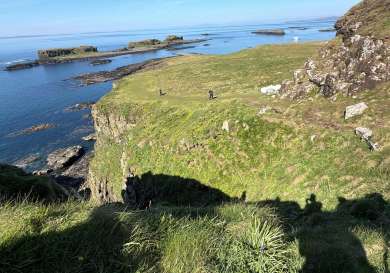
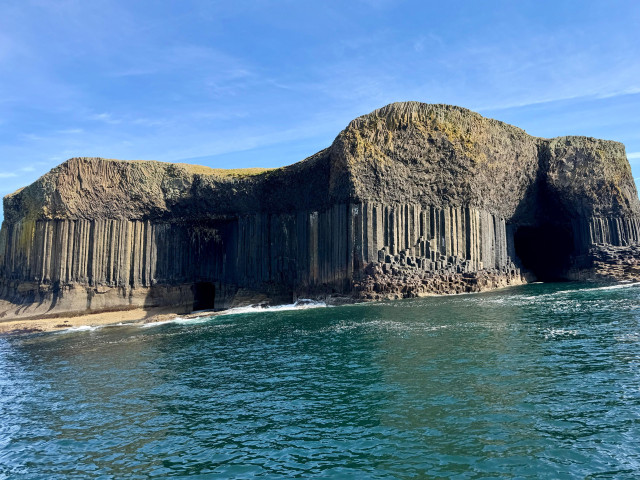
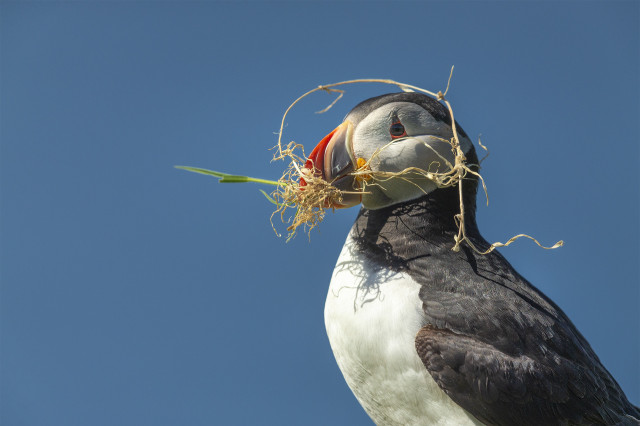
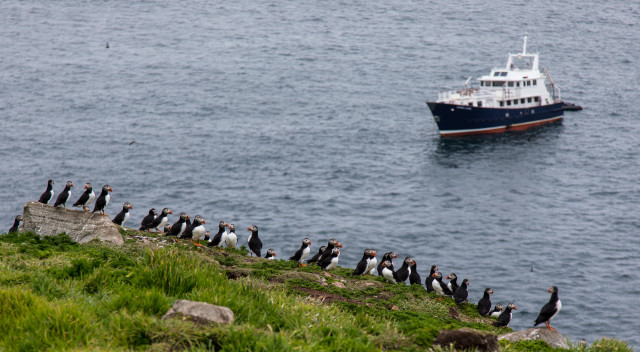
Our trip started on a literal high as we hiked up Lunga in the Treshnish Isles. It is widely regarded as one of the best places in the world to see Atlantic puffins up close. The best time to visit is when they are breeding and raising their pufflings between mid-April and early August. The island is uninhabited and rugged, with the zodiac landing on rocky terrain. Another highlight is visiting Fingal's Cave in Staffa. The distinct hexagonal basalt columns are unmistakable and have been the source of much ancient mythology.
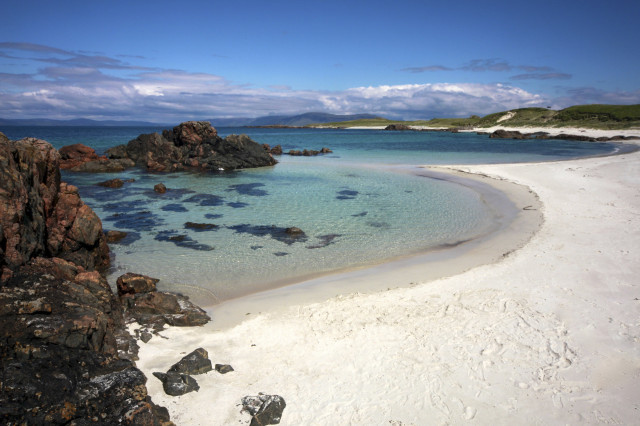
Nature aside, the islands are moreover rich in culture. We visited The Isle of Iona, which is renowned as the birthplace of Christianity in Scotland. Delve further into the history at Iona Abbey, one of Scotland's most sacred and historic landmarks, or embrace the stunning isle’s pristine white-sand beaches and crystalline waters - quasi tropical features which often surprise staycationers.
Credit: Derek Prescott
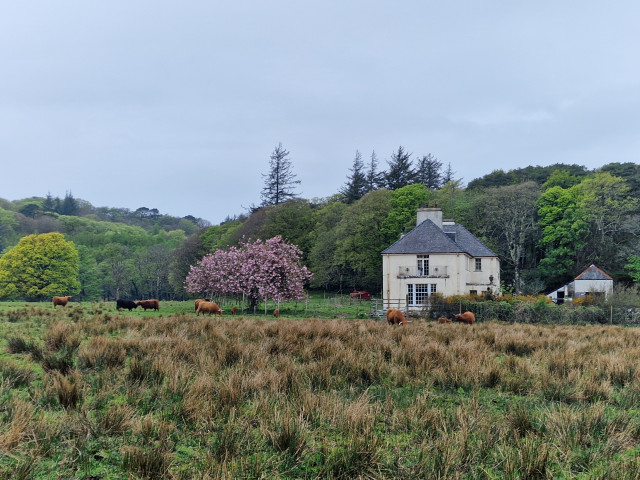
We hiked through other scenic islands such as Gometra, an off-grid island privately owned by renowned environmental campaigner Roc Sandford, in addition to Ulva, which has become incredibly famous thanks to BBC Scotland series Banjo and Ro's Grand Island Hotel, which follows the designers' efforts in restoring the dilapidated Ulva House. During our hike, we caught a glimpse of the very house with its famous Highland ‘coos’ (the affectionate term for ‘cow’).
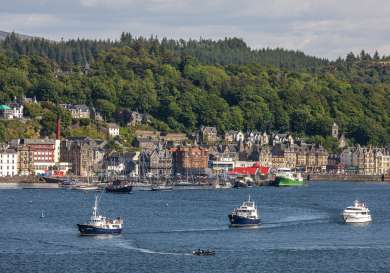
The itinerary also included a visit to the capital of Mull, Tobermory, which balanced verdant forests and picturesque waterfalls perfectly alongside a scenic harbour area dotted with multi-coloured cottages. Elsewhere, stop by Tobermory Distillery, one of Scotland’s oldest working distillers, or explore the town’s various boutique, independent shops.
The Lucy Mary Experience
Lucy Mary is the newest in their fleet and was only added in 2023. It was built in the Netherlands and includes three en-suite cabins as well as a more spacious master suite. The yacht delivers an elegant experience with plush leather lounges, polished mahogany panelling, and modern teak decks. They do have a TV on board, which is helpful during the nightly briefings, but it is normally hidden away so as not to distract from the wildlife. The ship also has an impressive rear deck for alfresco dining and sunset drams. Even though the cruise is an intimate affair, they do have various alcoves for more private moments.
Sustainability is at the heart of the Hebrides Cruises experience. On board the Lucy Mary, they use Caterpillar engines for optimal fuel efficiency and purposely run the engines at 65% capacity to minimise fuel consumption. Beyond this, the yacht utilises battery power overnight, so as to avoid generator emissions and noise disturbances, while an advanced GPS system helps to direct the yacht back to proven anchorages to minimise disruptions to the seabed and marine life. To top it all off, the Lucy Mary is also equipped with a desalination system which turns sea water into fresh drinking water, thereby reducing the reliance on limited water supplies from remote islands.
Gastronomy: Supporting Local Produce
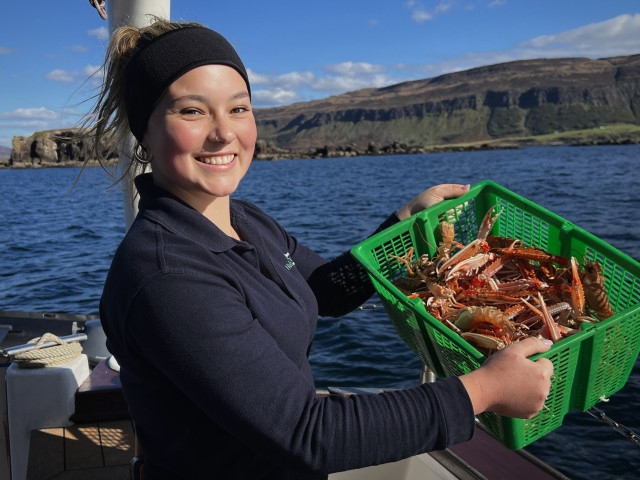
Part of the sustainability efforts include curating menus that spotlight local and seasonal produce. We would sail past the mussel farms of Inverlussa and then later discover how Captain Neil had gone directly to the farm to purchase our dinner - all whilst we were hiking in search of golden eagles. Boasting a particularly sweet and fresh-tasting flavour with a hint of salinity, it’s no surprise that they’ve been voted best mussel producer in Scotland on a number of occasions.
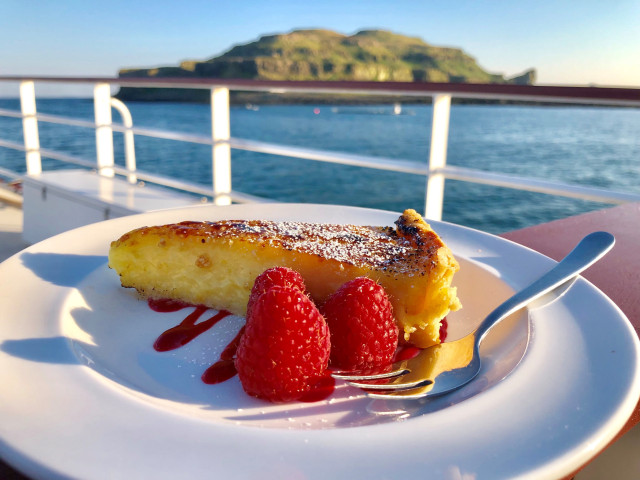
What was especially impressive was how head chef Sally managed to conjure up a multi-course feast every night from a very confined kitchen space. During the cruise, we enjoyed four courses every day, including a much-welcomed afternoon tea after calorie-sapping daily hikes. Highlights included duck breast with fondant potatoes and bavette steak with roasted cauliflower - it was crowd-pleaser after crowd-pleaser. Sally was so dedicated to her craft that we never got the chance to offer our heartfelt praise directly to her - so thank you Sally!
Private Charter
A significant portion of their business involves private chartering - a proposition worth exploring if you're looking to celebrate a special occasion with roughly 8-10 guests. Exclusivity aside, the itinerary is also more customisable. For example, if you want hiking routes that don't involve heights, you can opt to omit Lunga. Booking 12-18 months in advance is recommended.
To Note: Hebrides Cruises offers 17 unique cruise experiences through the Inner and Outer Hebrides and St Kilda, ranging from 3-10 nights.
Baldwin Ho was a guest of Hebrides Cruises. More information is available here.