Sarah Rodrigues explores how ancient practices and appreciation of landscape are pulling attention away from the coast, and towards the lesser-visited inland regions.
Dabbing away at a white tile, the tip of my fine brush dipped in cobalt blue paint, a swallow in flight began to take shape. These birds appear everywhere in Portuguese culture, symbolising fidelity and home - a desire to return to the nest; a strong bond with family.
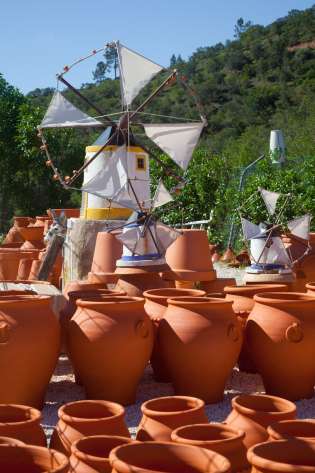
Indeed, the ceramicist overseeing our attempts to create our own azulejos - the decorative glazed tiles seen all over the country, smothering both interior and exterior walls - was Margarida Palma Gomes, the mother of our hiking guide, Francisco. His ecotourism operation, Algarvian Roots was established in 2020 with the aim of promoting appreciation of the Algarve via time outdoors combined with cultural and artistic immersion.
It’s easy to see how the two prongs align: time in nature has long inspired artists of all disciplines.
The Algarve's Multifaceted Appeal
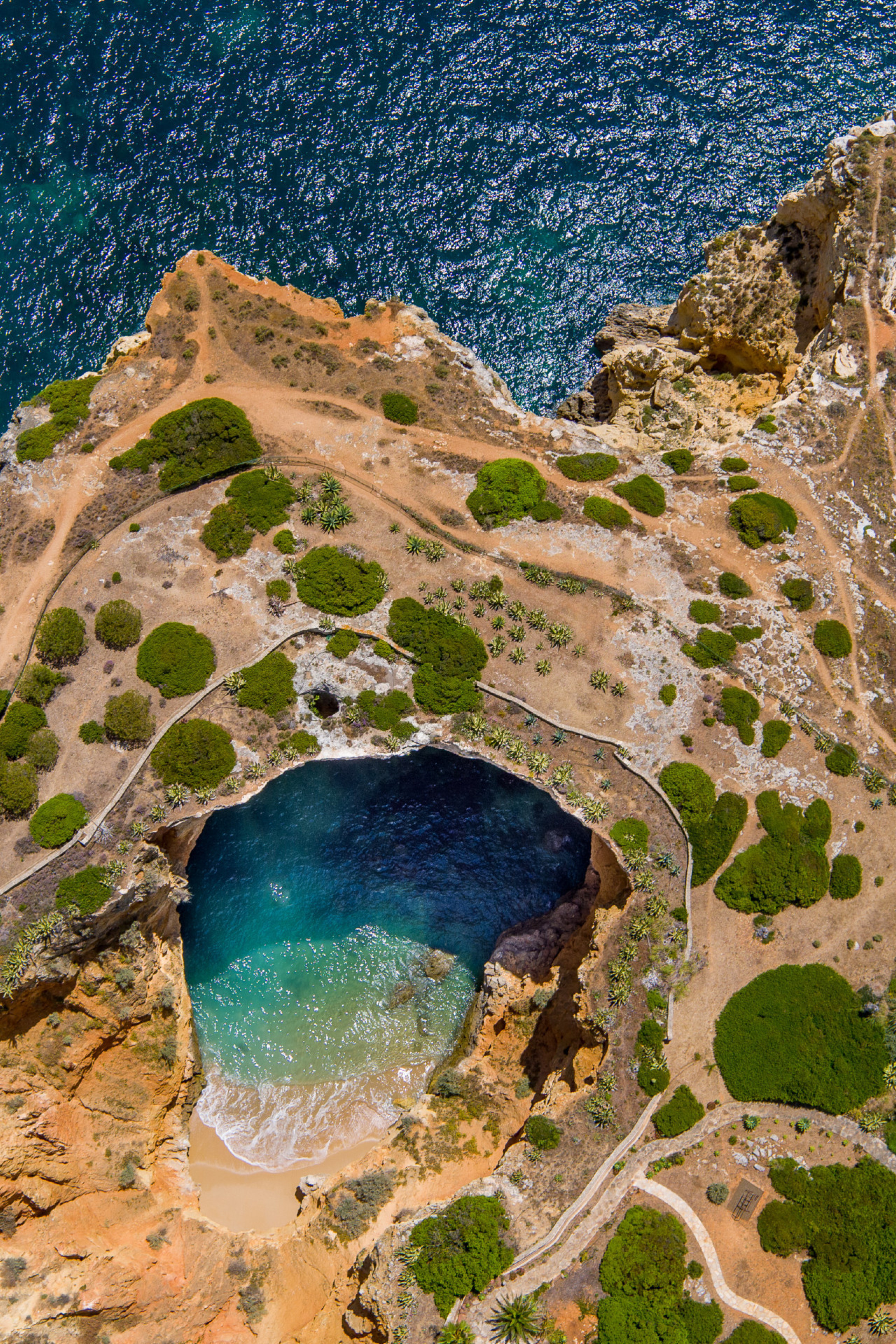
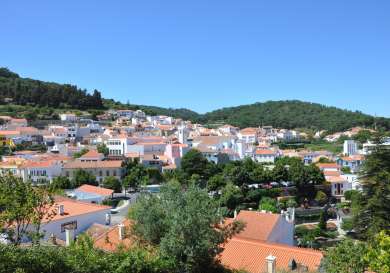
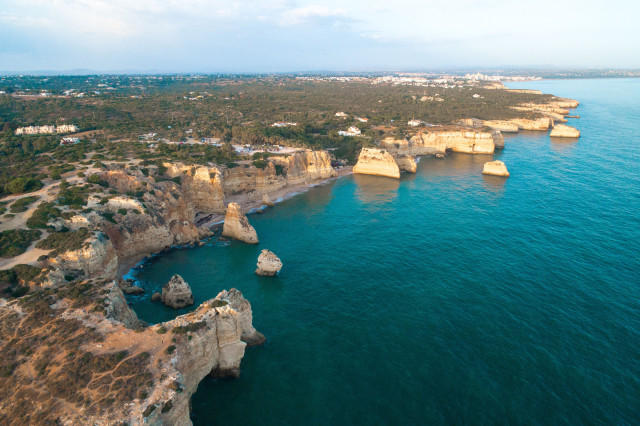
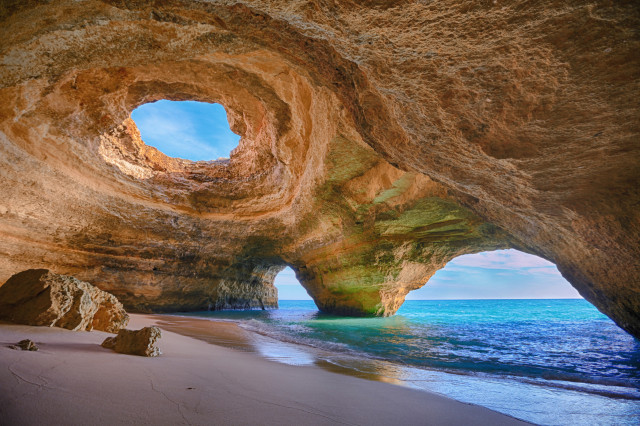
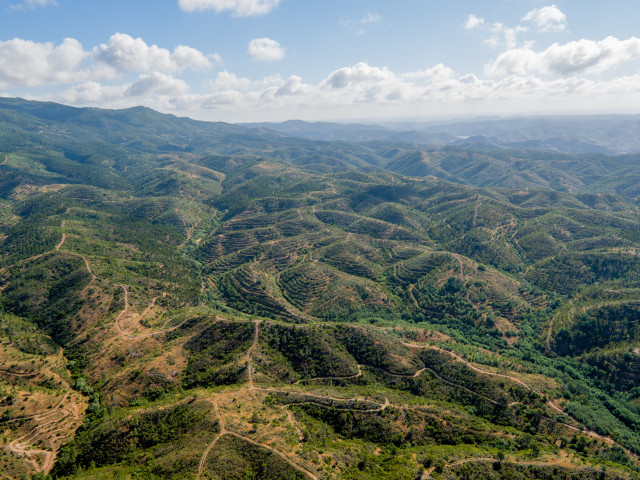
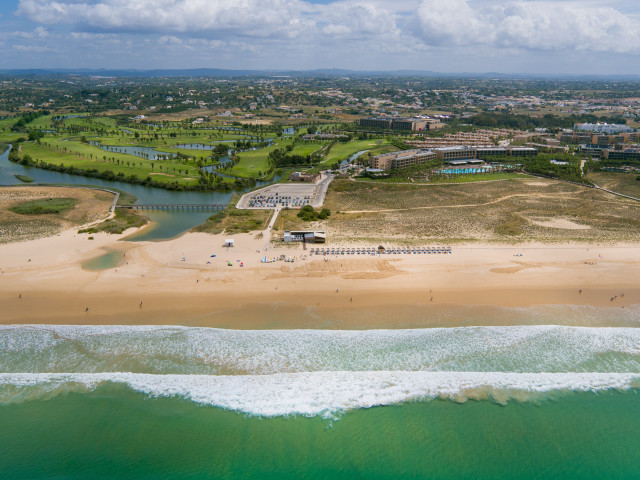
Yet for too long, this diverse region of Portugal, which occupies the country’s southernmost point, has been appreciated primarily for its beaches, made even more alluring by year-round warmth and an impressive coastline. Thanks to the efforts of individuals like Francisco, and initiatives such as the Algarve Walking Season (AWS), attention is finally turning inwards - to the mountains and villages; to their hiking trails, nature and artisanal significance.
Established in 2018, the AWS schedules an annual festival between November and April, showcasing the Algarve’s landscape while promoting the idea that this is ‘a region for hiking all year round.’ The hope is twofold - not only that the threat of coastal over-tourism will be stemmed, but also that smaller, inland communities will be reinvigorated.
There is a word in Portuguese - saudade - that’s almost untranslatable, but essentially conjures up a sense of melancholy and longing, a desire for something that’s absent or lost. It’s central to the heart-stirring strains of fado, the distinctively Portuguese music genre dating back to the early 19th century, and it’s key to the significance of those swallows, and what they symbolise, too. Connection, yearning, rootedness.
Portugal's Cork Industry
In recent years, the populations of inland regions have dwindled, as younger generations seek the excitement and employment opportunities of the cities and coast. Consequently, skills passed from generation to generation are at risk of being lost. Francisco takes us past elderly folk sunning themselves in doorways and into the outskirts of a forest, where semi-denuded trees have their uppers clothed in gnarled, spongy bark. Cork is Portugal’s national tree and has been protected since the 13th century; it’s also been a financial mainstay for generations of families, who have stripped the trees of their supple bark for use as wine stoppers, as well as for insulation and flooring.
Modern practices - the increasing popularity of screwtops, for instance - mean that demand for cork, and the methods surrounding its harvesting, have ebbed. And because incorrect ‘stripping’ - a process that occurs only once every nine years - can prevent the tree from producing its new layer of bark, it’s crucial, not only to the continued use of the material, but to the continued existence of cork itself, that these skills are passed on.
The Algarve’s inland areas have been affected by savage wildfires in recent years, too, making the continued protection of the native cork even more vital: although it grows slowly, it’s naturally fire-retardant. Eucalypts, on the other hand - which we saw, toppled or leaning at extraordinary angles in the ravaged National Forest of Barão de São João - are an introduced species, and now the most common tree in the country. They regenerate quickly, but are highly flammable.
The Revival of Tradition
Cork has been used for artistic purposes in Portugal for centuries, but efforts have multiplied in recent years, as locals seek to safeguard its relevance. Knowing all of this - its importance to the landscape, to families, to generational transfer of skill, we sensed it- saudade. The connection between people, landscape and art; how longing sparks artistry and how the fear of loss sparks action. With the introduction of the festivals, and the establishment of well-marked trails branching off from the Via Algarviana, which stretches 186 miles from the Spanish border to the Atlantic, the region is broadening its appeal to visitors - and with visitors comes a boosted economy, the return of younger generations and the revival of tradition.
The Monchique Resort and Spa
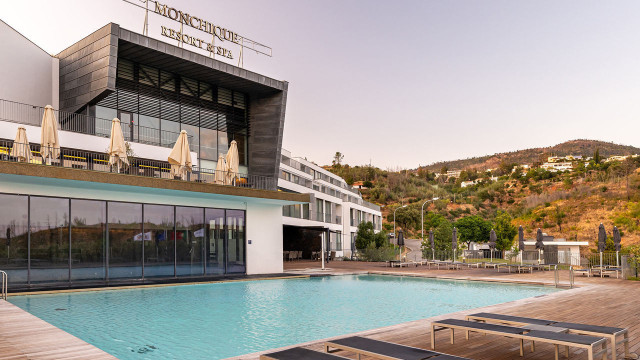
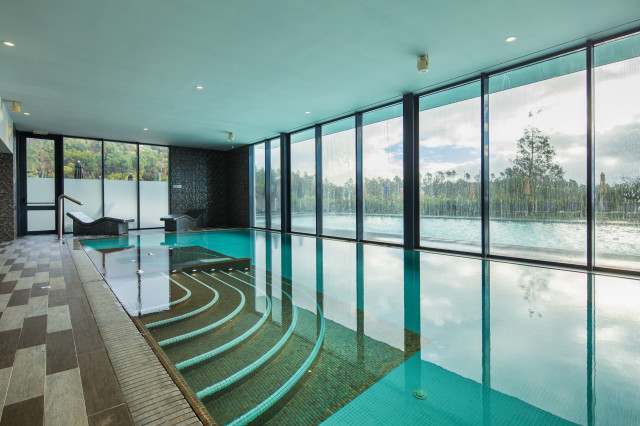
The same could be said of our hotel. The Monchique Resort and Spa sprawls up the side of a mountain and was originally conceived of as a medi-spa, benefiting from the curative properties of the waters from Caldas de Monchique, gushing from granite rocks with a pH of 9.5.
The timeshare business model it relied on failed and, after a period of closure, it reopened in its current form: a five-star resort with eco-friendly design, spacious suites, gorgeous views and exceptional spa facilities. Importantly, its revival also brought opportunity to the areas, with many young locals returning for employment.
Community Spirit
We saw it later that afternoon, as we walked back into Monchique after a hike. It was the beginning of November, the time of magusto, an annual festival where communities gather to roast chestnuts on open fires. Against a background of music, and plied with wine, we watched as men with four-pronged rakes forked piles of dead branches onto the fires and combed the fruits through the glowing coals. At a signal, everyone descended, and shovelled handfuls into paper bags. At least four generations of Algarvians danced and laughed around us.
Perhaps this inland area of the Algarve is making a concerted effort to create experiences for tourists and opportunities for local youth, but here, at this magusto, it seemed to have come effortlessly, joyfully, together. As more visitors take to the trails, they’ll understand why these Algarvian swallows return to their nests - and why they, too, will be drawn back.
For decades, there has been only one answer to the question of where New York's stylish set disappears each summer: the Hamptons. Now, London has its own equivalent.
Desert & Delta Safaris' newest lodge champions regenerative tourism, understated luxury and the joy of experiencing the Okavango Delta at nature's own pace, says Amira Arasteh.