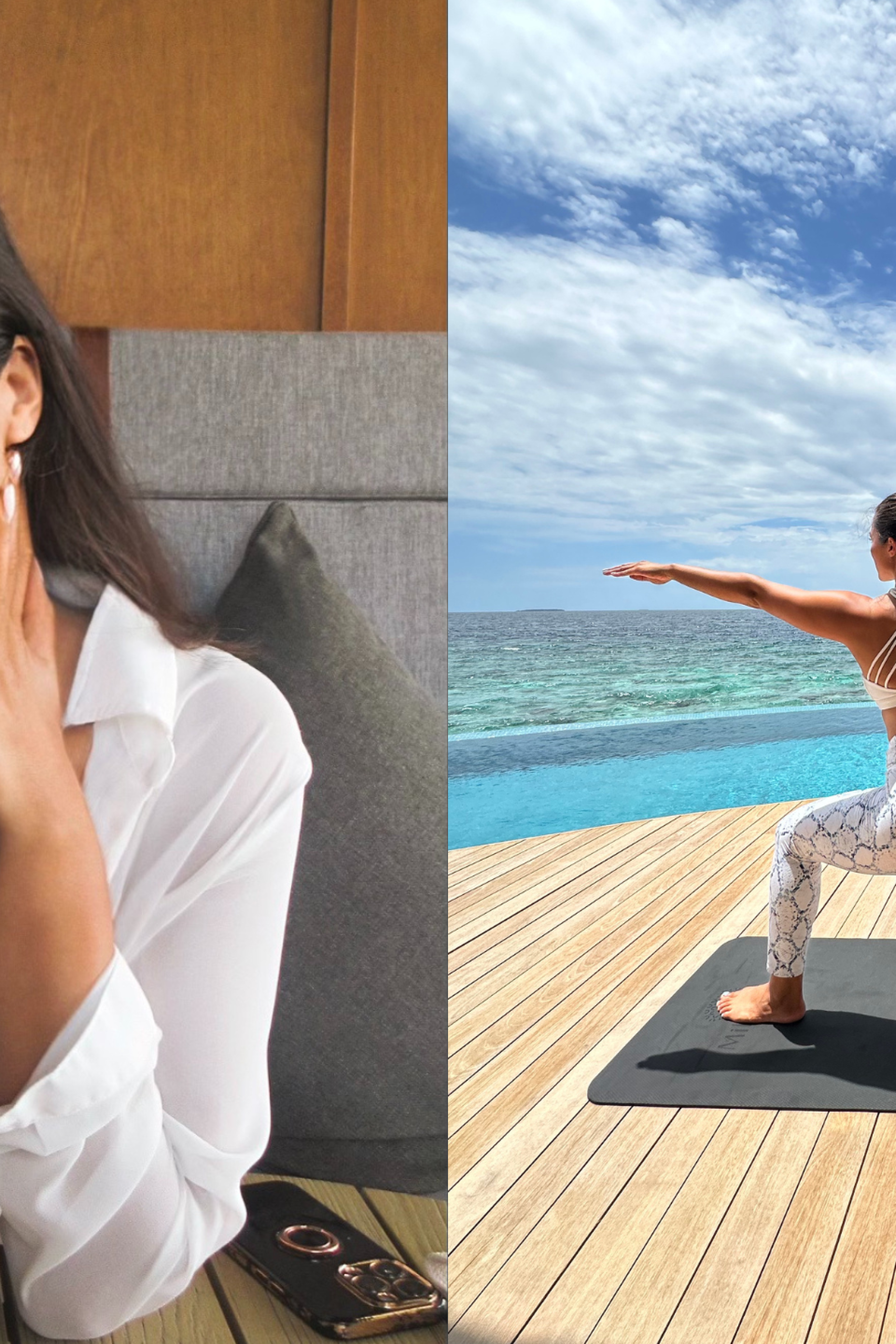
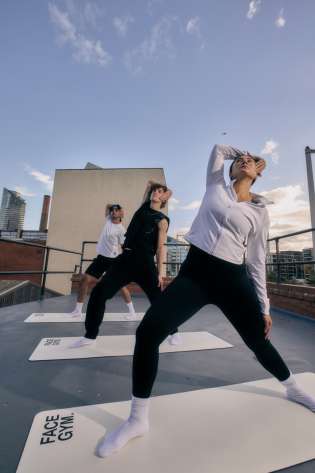
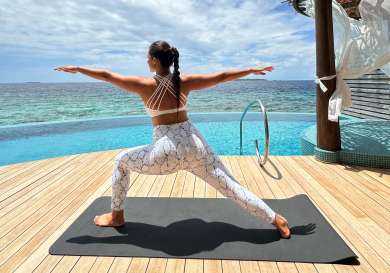
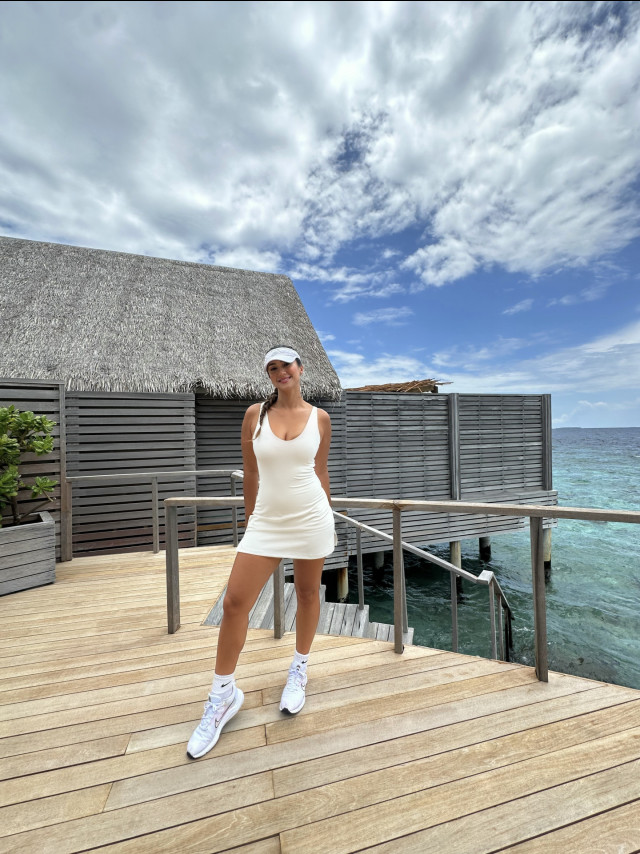
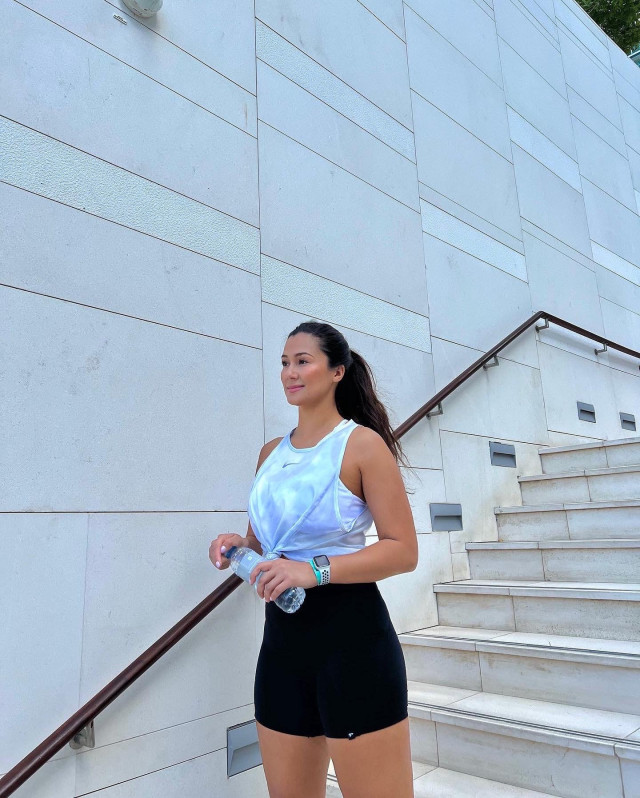
We sit down with Maria to discuss her fitness and wellness expertise, touching on everything from her experience a as a personal trainer to her passion for nutrition and contrast therapy.
Maria has been working in the fitness and wellness space since 2019 as a certified Personal Trainer and Nutritional advisor, working online and in person with clients and fitness brands. She's also worked in the corporate world, providing her with a unique perspective on the connection between physical health, mental wellbeing and the pressures of modern working life.
This wealth of experience led Maria to create her own brand, WellSpace, centred on a more holistic, 360-degree approach to health and fitness. In Maria's eyes, wellness isn't about extremes, it's about balance, consistency and feeling good both physically and mentally.
What inspired you to become a personal trainer?
I’ve always been very active and grew up involved in sport from a young age. I was a competitive swimmer, training several hours a day and travelling abroad for training camps, so discipline and routine were a big part of my life from the get go.
When I later moved into the working world, fitness became my way of escaping the hustle whilst also managing stress. I would often spend my lunch breaks running to the gym just to reset mentally and physically after a busy morning.
Because I was training daily, I became really interested in understanding more about how the body works, how to train properly, and how fitness affects energy and wellbeing. Around that time I also started creating online fitness content with a friend from the gym, and people began asking us questions about workouts and nutrition. That’s what made me realise I wanted to formalise my knowledge and qualify as a Personal Trainer with the aim of helping others feel the same benefits I had experienced through training.
How did you turn this into a career? What sort of training did you have to do?
By creating fitness content online for fun and sharing my personal workouts, I was able to start working with a number of brands.
In terms of my qualifications, I studied a Level 3 & L2 Personal Training qualification and gradually this developed into coaching busy professionals online and in person. During the COVID-19 pandemic, everyone was working out at home, so I focused on home workouts and also launched my own resistance bands.
The qualifications covered everything from strength training to nutrition, reinforcing how important it is to look at health as a whole. That’s why my approach has always been to focus on the bigger picture rather than just the workout itself.
What's the most satisfying thing about being a personal trainer/creating wellness content?
The most satisfying part is seeing how improving someone’s health can also transform other areas of their life. It’s not just about physical results, it’s about energy levels, confidence, focus, and the ability to handle stress better. When people feel stronger and healthier, it often shows in their work, career, family life and overall performance.
That’s why I’m so passionate about taking a holistic approach. Training is only one part of the picture; recovery, sleep, nutrition and stress management are just as important. You can train hard every day, but real progress happens when the body is able to recover properly. I find it really rewarding helping people understand how all aspects of wellness work together to improve not just their fitness, but their overall quality of life.
Do you have a holistic approach to health? If so, what does this look like?
Absolutely! In my own routine, I take a very holistic approach to health. For me, this currently looks like a balance of strength training, cardio, mobility work and wellbeing routines. Rather than focusing on just one type of training or aesthetics, I often split strength and cardio sessions to improve my overall hybrid performance.
Recovery is also a big part of this. Aside from regularly use the sauna, steam room and cold plunge, I’m also a big believer in contrast therapy for both physical recovery and mental reset. Good quality sleep is also essential. Together, these things allow the body to actually recover and improve performance. A holistic approach means looking at fitness, recovery, stress and lifestyle as one complete picture.
What is your overall ethos when it comes to fitness and wellbeing?
My overall ethos is that fitness should support your life, not take it over. I believe in a balanced approach that is enjoyable and therefore sustainable. As we age, our bones, joints, and heart health all need to be looked after. So this includes incorporating strength training, any form of movement, good nutrition and daily habits. While extreme routines and diets achieve quick results, the process can make you tired, hungry, and often unhappy. This in turn leads to unsustainable results. But when you make things enjoyable and are able to fit them into your routine, a healthy lifestyle becomes easier and natural. You're also able to perform better in everyday life.
You’re also passionate about nutrition - is this something you incorporate into your personal training sessions?
Nutrition goes hand in hand with training and plays a huge role in achieving any fitness goal, whether that’s building muscle, losing body fat or simply having more energy day to day. I always look at what works for the individual, as everyone is different. Of course, calorie management and high protein are all beneficial for improving performance and weight loss, but it's also important to look at inflammation in the body. This might look like adjusting someone's diet so that it's gluten or lactose-free, improving digestion, or reducing bloating. Tweaking these things can have a big impact on mental clarity and overall wellbeing.
I don’t believe in being overly restrictive. It’s important to enjoy food and find a way of eating that feels realistic and sustainable on a long-term basis. When nutrition supports your lifestyle, it becomes much easier to stay consistent and see results long term.
What are some of your favourite wellness routines or trends?
At the moment I’m really drawn to wellness routines that focus on longevity, overall performance and feeling happy. Strength training is a big part of my own routine, as I think the benefits for building muscle for long-term health, boosting bone density and increasing energy levels are becoming more apparent.
I’m a big advocate of contrast therapy, using saunas, steam rooms and cold plunge pools, which I find to be incredibly effective for both physical recovery and mental reset. Beyond this, I’m really interested in treatments like red light therapy for skin health, inflammation and overall wellbeing.
Social fitness also greatly appeals to me, particularly padel, tennis, and Hyrox-style workouts.
Ultimately, I love to combine travel and wellness. I enjoy heading on retreats and inviting friends to travel alongside me. We tend to make our own wellness itineraries, fusing fun elements with plenty of fitness.
What is a common myth or misconception about fitness that you find yourself correcting with clients the most?
One of the biggest misconceptions I see is the idea that more training always means better results. A lot of people think they can train harder to make up for a poor diet, lack of sleep or high stress levels, but recovery and nutrition play just as big a role as the workout itself. I often remind clients that progress doesn’t happen when you’re constantly pushing, it happens when the body has time to recover, which is why things like sleep, deload weeks and managing overall activity levels are so important.
Another common myth is that only intense workouts matter, when in reality daily movement, steps and consistency make a huge difference to overall health and body composition. My approach is always to look at the bigger picture rather than just the training session.
What are some healthy habits we should all be incorporating into our daily routine?
I think the healthiest habits are often the simplest ones. Walking more is a big one. Getting your steps in each day makes a huge difference to both physical and mental health, even though people often overlook it because it’s not complicated. I also think switching off from work properly is really important, as a lot of us are constantly on emails and screens, which keeps stress levels high without realising. Doing something for yourself every day, whether that’s training, walking, reading, makes a huge difference to your wellbeing quality. And switch out the snacks.
How do you balance work life with exercise? Do you follow a set routine?
I try to keep quite a consistent routine during the week, as that’s what helps me stay balanced with work. I train before or after work, depending on the day and how busy I am. I like to split my sessions between hypertrophy training and cardio. On Saturdays, I like to do a big training session in the morning, and then have a social day where I get more steps in after. Sundays for me are more about recovery, slower mornings, and resetting. I also enjoy cheat meals every so often... I’m a big foodie!
Do you have any specific wellness/fitness goals for 2026?
For the rest of 2026 my main goals are to keep getting stronger, drop some body fat, and improve my running - something I don't naturally enjoy, but it's something I'd like to get better at for overall fitness. I’m also focusing more on managing stress and prioritising mental wellbeing, as I’ve realised that performance in training, work and everyday life is much better when recovery and mindset are looked after as well. For me this year is less about extremes and more about feeling strong, healthy and balanced.
Enjoyed this? Don’t miss our Featured Experiences
Experience A Luxury Yoga Retreat in Sweden
Elite Wellness & Recovery Experience for High Performers
The Ultimate Women's Wellness Reset in London
A multi-day corporate wild retreat
More Stories You’ll Love
A Family Wellness Stay at Evian Resort