We’ve created a guide that focuses on some of the most iconic US road trips, chosen for their scenery, history, and overall experience. Below, discover our top picks...
Jack Kerouac's On the Road, Steinbeck’s Travels with Charley, and the 1960s TV show Route 66. American roads have a reputation for a reason, and their depiction in movies, TV shows, and media only adds to it. They are as much a symbol of American culture as the American eagle, and for good reason.
The roads are built for long drives, with highways that cut through deserts, mountains, coastlines, and small towns. The scale and diversity of the US road network are unparalleled. The country has one of the largest and most developed highway systems in the world. There is also a sense of freedom, of self-paced travel that a road trip in the USA offers.
Why Are Road Trips in the USA So Popular?
Beyond being made popular by media and entertainment, road trips in the USA have been a staple in the country's culture, mostly because of the roads themselves. And if we were to take a step even further, it’s also the country that makes the roads that much more desirable. The US spans multiple climate zones and geographical regions, which makes the roads look like picture postcards.
Within a single road trip, travellers can experience mountains, coastlines, deserts, forests, and plains. They can see national parks, rural backroads, and major cities. Mile by mile, this versatility of the landscape attracts ever more people to explore what the US has to offer. Many iconic routes are famous specifically because they showcase dramatic landscape shifts in a relatively brief window.
Such diversity in scenery is enhanced by the country's impressive network of roads. There’s freedom to travel, freedom to set your own course and time, knowing you have the infrastructure in place to reach destinations with ease. This flexibility is a major contrast to air or rail travel, which is fixed and time-bound.
Finally, the US is a unique melting pot of cultures and traditions. Each state (and often each region within a state) has distinct food traditions, beautiful local architecture, regional customs and history. Being on the road makes it easier to spot smaller towns and all the exclusive parts that you can’t get to otherwise.
Top 10 Iconic Road Trips in the USA You Can’t Miss
1. Route 66: The Mother Road
The “Main Street of America” and the “Mother Road”. These are the names attributed to the iconic Route 66. It’s tied to migration, commerce, and American culture from the 1930s onwards. Officially established in 1926 as one of the original U.S. highways, Route 66 later became a symbol of cross-country travel in the 20th century. It connected Chicago, Illinois, to Santa Monica, California.
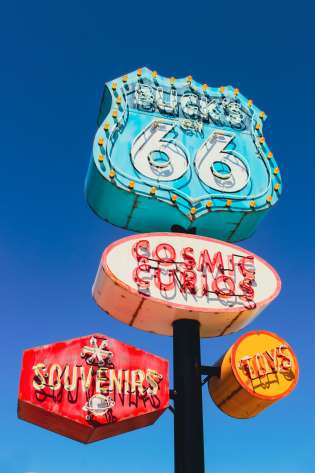
Today, Route 66 looks a little different. It's now a series of historic segments preserved for their roadside attractions, diners, motels, neon signs, and quirky landmarks that evoke mid-20th-century travel nostalgia.
Some of the main attractions include:
Chicago, Illinois - traditionally the start point of Route 66.
St. Louis, Missouri - the major cultural hub on the route.
Amarillo, Texas - a classic Texas-panhandle segment with roadside attractions.
Santa Monica, California - the traditional end at the Pacific Ocean.
If you do decide to explore this route, spring and autumn are good times to visit thanks to moderate temperatures in the Midwest and Southwest.
For those who want an even more immersive experience, The Sybarite offers a unique motorcycle journey along Route 66. This guided 10-day motorcycle journey traces the historic route end-to-end. It includes guided riding, access to the Harley-Davidson Museum in Milwaukee, curated cultural and scenic stops, accommodations, support vehicles, and luggage assistance. Riders can choose from premium touring motorcycles (like Street Glide and Road Glide models), a rather fitting way to take on Route 66 with power and style.
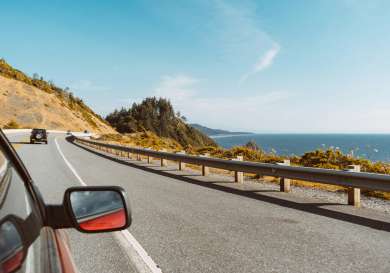
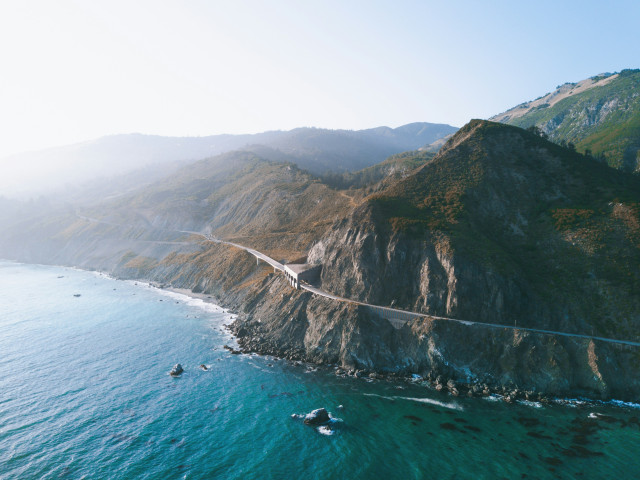
If a road trip doesn’t feel complete without the scent of the ocean whipping through your hair, then the Pacific Coast Highway (PCH) needs to be added to your list. This route largely follows California State Route 1, running close to the Pacific Ocean for long stretches. It’s iconic because the road is built into the coastline, so expect steep cliffs and ocean views galore.
Certain sections here, especially around Big Sur, are internationally recognised for combining engineering and natural scenery. Some must-see spots on this route include:
Monterey - known for its historic waterfront, coastal scenery, and its role as a natural gateway to Big Sur.
Big Sur - by far the most dramatic section of the drive.
Santa Barbara - a coastal city with beaches and Spanish-influenced architecture everywhere.
Malibu - world-famous for its beaches and oceanfront roads.
Unlike other road trips on this list, this route favours slow travel. Coastal light changes dramatically throughout the day due to the road’s orientation and cliffs. So even though you’ll remain along the coast, each spot feels a little different. Keen photographers will enjoy the spectacular sunrises and sunsets.
3. Blue Ridge Parkway: A Nature Lover’s Dream
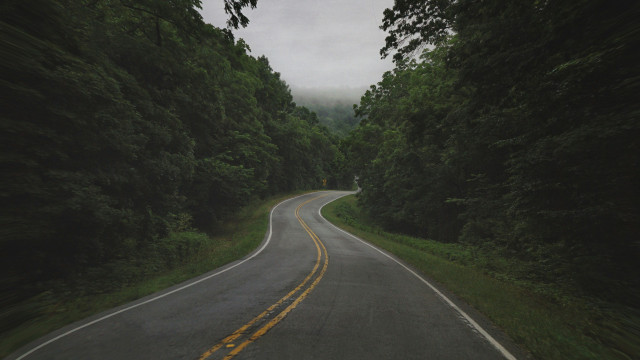
The Blue Ridge Parkway is a 469-mile “ribbon of road" that connects two of the East Coast’s greatest National Parks. It was designed specifically for scenic motoring and boasts some of the best views of all the roads in the country.
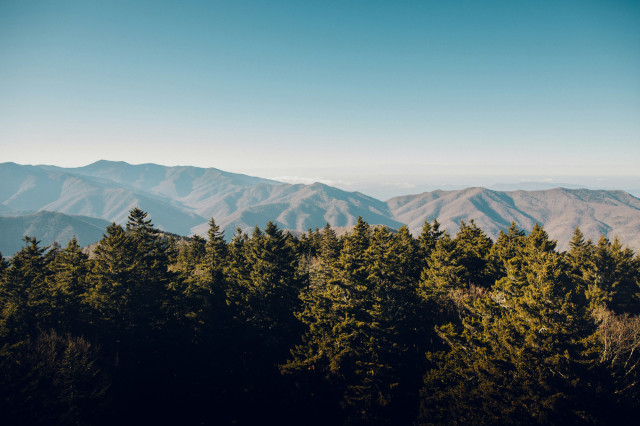
It winds through the Appalachian Mountains, and follows ridgelines and high elevations. There are frequent overlooks with panoramic mountain views and a strong sense of immersion in nature, thanks in part to minimal commercial development along the road.
Key highlights include passing through two national parks: the Great Smoky Mountains National Park - one of the most biologically diverse areas in North America - and Shenandoah National Park, which is located at the northern end of the parkway and is known for its long-range views, forested slopes, and connection to Skyline Drive.
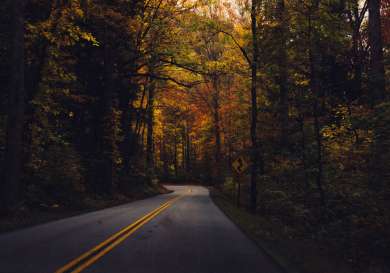
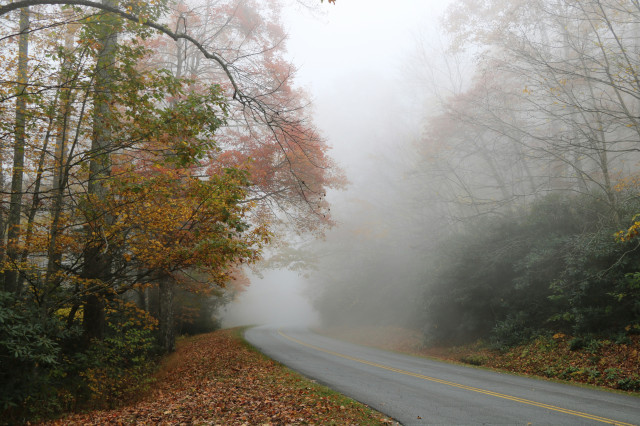
This whole trip is centred around forests and trees, so naturally, the best time to visit is fall. The peak autumn foliage across the Appalachian range and the cooler temperatures are ideal for driving and short hikes. Foliage displays are particularly impressive between late September and October.
4. The Loneliest Road in America (U.S. 50)
U.S. Route 50 through Nevada is famous for what it lacks. It earned the moniker “The Loneliest Road in America” in the 1980s, after a Life magazine article described the Nevada stretch as empty and isolating.
Nowadays, however, the route appeals to those seeking slow travel and a dose of adventure. Travellers can expect vast, open basins, long stretches of road, and minimal traffic.
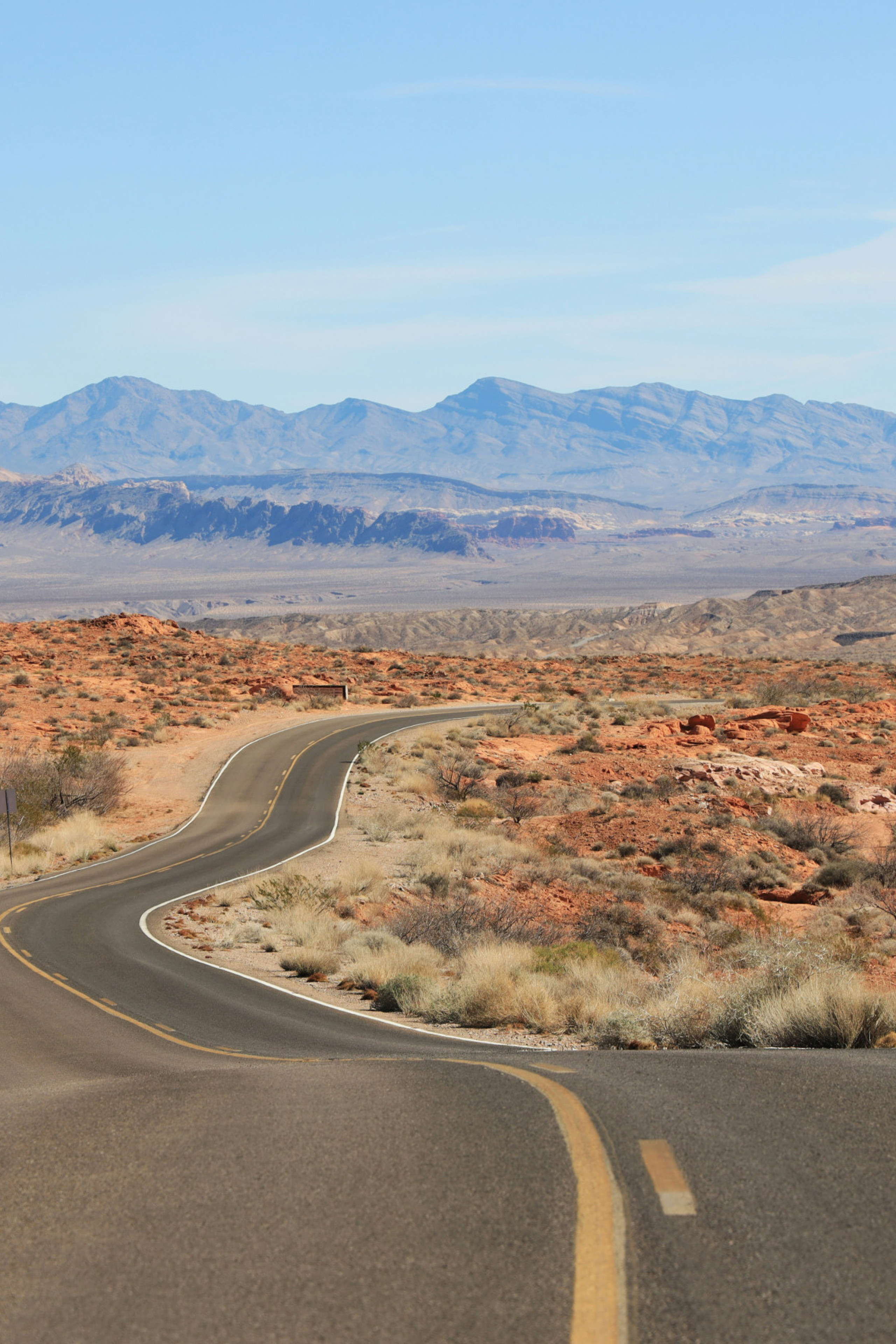
Unlike other scenic roads in the US (which can also feel desolate in their vastness), this particular road’s appeal comes from scale and silence and the overall feeling of crossing a wide, sparsely-populated landscape with little interruption.
Along the way, landmarks include Ely, a small railroad town that serves as a practical stop for fuel, food, and lodging in eastern Nevada. There is also the Great Basin National Park, with its alpine scenery, ancient Bristlecone pines, limestone caves, and some of the darkest night skies in the continental US.
Those seriously looking to embark on US Route 50 should remember that services can be hundreds of miles apart in some stretches. You should add fuel stops to your road trip itinerary and carry extra water, food and offline maps or navigation backups, since cell service can be limited or nonexistent for long portions of the drive.
5. The Great River Road
The Great River Road stretches 3,000 miles from the headwaters at Lake Itasca, Minnesota, to the Gulf of Mexico in Louisiana. It's a scenic byway that follows the Mississippi River. Rather than being a single highway, it’s a network of connected roads marked by the iconic green-and-white riverfront landscapes, wetlands and forests and historic river towns known for their trade, ships and even music (especially jazz). In terms of key landmarks, travellers should keep a lookout for:
St. Louis - a major river city historically tied to westward expansion and river commerce.
New Orleans - where the Mississippi meets the Gulf, known for its food, music, and layered cultural identity.
Hannibal - a smaller river town closely associated with Mark Twain and classic American river literature.
The spring and summer months are typically best for a road trip of this nature as the landscape is usually more vibrant, and many of the surrounding towns are alive with seasonal festivals, river events, and outdoor markets.
6. The Florida Keys Scenic Highway
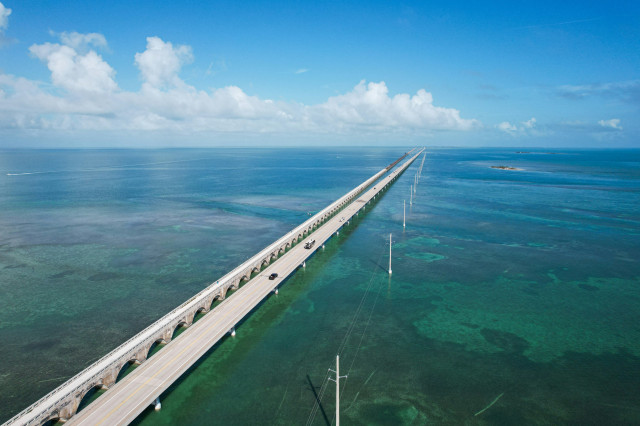
Although most roads on this list are a prime example of exceptional engineering, this route is particularly spectacular. It boasts one of the longest bridges in the world and almost feels like you're driving directly across the surface of the ocean seeing as it's predominantly an overseas highway.
The road follows U.S. Route 1 from the Florida mainland to Key West. It’s the path of Henry Flagler’s "Overseas Railroad," which was destroyed by a hurricane in 1935. Today, there are over 40 bridges connecting the islands, with long stretches of road surrounded by turquoise water on both sides. If you're planning to stop along the way, key spots include:
Key Largo - the northern gateway to the Keys, known for its coral reefs and water-based activities.
Islamorada - called the “Village of Islands,” popular for fishing, beaches, and ocean views.
Key West - the southernmost point of the continental US, known for its historic streets, nightlife, and relaxed island atmosphere.
If you’re a foodie, these are the places where you will find Conch Fritters, Pink Gold (Key West shrimp), and authentic Key Lime Pie. As a driver, beware that speed limits are lower on this road and traffic can be slow near bridges and towns. Building time into the drive allows for beach stops, sampling local seafood spots or even short detours onto scenic side roads and waterfront areas.
7. Going-to-the-Sun Road (Montana)
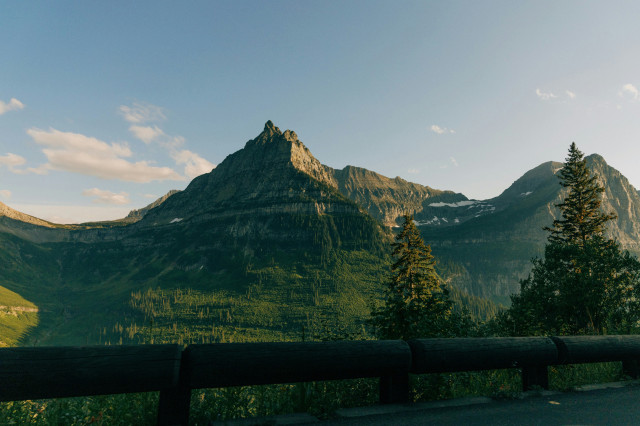
The Going-to-the-Sun Road is the most famous drive in Glacier National Park. It was the first road in the U.S. to be designated as both a National Historic Landmark and a National Civil Engineering Landmark. If you're planning a road trip in this region, expect dramatic Rocky Mountain scenery, steep cliffs, waterfalls, alpine lakes, and glacial valleys.
Widely considered one of the most scenic mountain roads in North America, the landscape feels intensely wild, steep, and immersive. The route is literally carved into the side of the mountains. You’ll pass through the "Loop" (a massive hairpin turn) and drive under the "Weeping Wall," where waterfalls splash directly onto the road from the cliffs above.
Travelling here has some requirements. The road is typically fully open only for a limited summer window, depending on snow conditions. Since the road is narrow and winding, vehicles longer than 21 feet or wider than 8 feet are prohibited. So keep that in mind.
8. The Alaskan Highway: Nature at Its Best
The Alaskan Highway (also known as the Alaska-Canada Highway or ALCAN) is one of the most legendary long-distance drives in North America. It was built during World War II and later became a public route and a symbol of frontier travel. It takes you right through the heart of the Canadian Rockies and the Yukon.
The scenery is full of jagged peaks, prehistoric-looking glaciers, and vast boreal forests. Wildlife also takes centre stage, with regular sightings of moose, bison, bears, and caribou.
The highway traditionally begins in Dawson Creek, known as “Mile 0”, and then heads northwest through the Yukon Territory (home to some of the most remote and scenic sections of the drive).
Seasonality and timing are key considerations for this road trip since the weather can be unpredictable. Even in July, frost and heavy rainstorms aren't unheard of. It's also worth planning for things such as limited services in remote stretches and fuel stops spaced far apart.
9. Great Smoky Mountains National Park Loop
The Great Smoky Mountains National Park is the most visited national park in the United States, probably because just being there feels like you’ve walked into a watercolour painting. The park is known for its layered mountain views created by natural haze and mist (that famous blue 'smoke') in its dense forests.
A loop-style drive provides plenty of opportunities to enjoy the scenic mountain roads and the wildlife-rich valleys. Speaking of wildlife, deer, black bears, wild turkeys, and smaller mammals are commonly seen here. It's also worth pointing out that the park is a UNESCO World Heritage Site and boasts some of the oldest mountains on the planet.
If you do decide to take this trip, stop at Clingmans Dome, the highest point in the park where you can enjoy panoramic views across multiple states. Cades Cove is also worth a visit thanks to its historic buildings, open meadows, and spectacular wildlife viewing.
10. The Ozarks Scenic Byway (Missouri)
The Ozark Mountains (or the Ozark Plateau) offers a landscape that is starkly different from the surrounding area. It’s defined by rolling hills, dense forests, limestone bluffs, and clear freshwater lakes. Unlike the jagged Rockies, the Ozarks are characterised by something called "Rolling Karst" topography. The landscape is carved from limestone, and there are thousands of caves, sinkholes, and "crystal-clear" blue springs. A trip here means you’re driving through a rugged, forested plateau that feels deeply isolated and "old-school" American.
There are plenty of good places to stop along the way including Lake of the Ozark - one of Missouri’s most popular recreation areas. It’s known for boating, fishing, and lakefront scenery. Beyond this, there's also Branson, a lively town with plenty of entertainment, local attractions, and easy access to surrounding nature. Unlike other routes on this list, The Ozarks Scenic Byway balances natural scenery with accessible towns, allowing the inexperienced traveller to easily mix outdoor time with comfort.
Road Trips in the USA: What Makes Them Special?
Road trips in the United States are special because they feel like a journey through history. They become cultural symbols of sorts. Take historic highways like Route 66. They represent roadside culture (diners, motels, signage, etc.), and they hold a collective memory of cross-country travel.
Beyond the cultural aspect, US road trips are a great way to connect with nature. Many of the most famous routes dip into remote areas such as national parks, mountains or coastline and river systems. These roads take travellers directly into protected natural areas and bring them closer to wildlife and biodiversity.
Another major draw is the fact that road trips allow visitors to immerse themselves in adventure at their own pace. You get full control over timing, stops and detours. You can choose between a small town stop or long, uninterrupted scenic drives.
Tips for Planning Your Ultimate Road Trip in the USA
How Do I Choose the Best Road Trip for Me?
The first step in planning any trip is picking a destination. For example, if you're interested in culture or history, focus on Route 66 or the Great River Road. If you're a nature enthusiast, you can opt for Going-to-the-Sun Road or the Blue Ridge Parkway. These are what we call immersion drives, where the landscape takes centre stage.
Beyond interests, another important aspect to consider is the time and budget. Each road trip is different. You can opt for short scenic drives or longer ones that pass multiple states and require a week or more. You need to think about how much ground you can realistically cover and ascertain a budget for it (accommodation, fuel, optional activities, etc).
Finally, your travel companions can also shape the entire experience. Solo travellers may be more interested in going for quieter or more remote routes. Families, on the other hand, prefer shorter driving days and frequent stops. Groups of friends may prioritise flexibility and being spontaneous over shared experiences. At the end of the day, the best road trip is the one that works well for everyone involved.
How Can I Make the Most of My Road Trip?
Making the most out of your road trip requires solid preparation. A good rule of thumb is planning 60%, and leaving 40% open to new experiences. While many of us chiefly rely on digital tools, some road trips have areas with no cell service. It's important, therefore, to download offline maps, purchase a physical road atlas as well as portable power banks.
Other items worth packing include a medical kit, plenty of food (especially if you're going to remote areas), and a high-quality reusable water bottle as many national parks have limited single-use plastic.
Define Your Own American Road Narrative
The reason road trips hold such a strong place in American travel culture is due to the fact only few experiences offer the same sense of freedom. It’s also a journey through the collective history of a nation. In a single drive, you can move through culture and geography, both vastly different from one stop to the next. Road trips in the US are as diverse as they can get. You have everything from legendary highways like Route 66 to coastal drives, mountain roads, and remote wilderness routes.
Now, defining your own road narrative can go either one or two ways. You can plan it out to the detail yourself, or relax and have somebody else plan for you. Sometimes the most rewarding experiences come from knowing that everything is handled by experts. Curated road trips offer that balance. You have the freedom of the open road with none of the stress that comes with managing it.
The road is calling. How will you answer?
The undisputed champion is Route 66. This remains the definite icon in American culture and it is the only road with its own “brand identity” globally.
If you're a first-time visitor, the best option would be the Pacific Coast Highway, from San Francisco to Los Angeles. The navigation is simple (keep the ocean on your right) and the distances between major cities are manageable.
Each road trip is different and the length depends on the place you're deciding to visit. It can last from anywhere from 3-5 days for routes like the Florida Keys, 7-10 days for a drive up the Blue Ridge Parkway, or up to 21 days for something like Route 66 or the Alaska Highway.
A general rule of thumb is that late spring or early fall is the best time to take a road trip. That way, you avoid the extreme heat of the summer or the road closures in the North during the winter season. Fall is the best time to go on the Blue Ridge Parkway because of the foliage, while spring is the best time for the Southwest because of the wildflowers and the cooler temperatures.
Yes, very safe. The U.S. has a very extensive highway system with frequent rest areas, plenty of fuel stations, and emergency services. That said, some areas are more remote than others. You need to plan strategically if you're going on The Loneliest Road and Big Sur because those areas usually have zero cell service, and the rest stops are few and far between.
Disneyland may not immediately sound like the definition of luxury, but there is no denying that this world-renowned theme park holds a special place for families from every walk of life. From celebrities such as Kourtney Kardashian, who has shared glimpses inside her frequent Disneyland visits, to families finally ticking a long-awaited trip off their wish list, or even friends making it their mission to celebrate a unique birthday, Disney has an extraordinary ability to appeal to everyone.
In this edition of Women Who Launch, The Sybarite talks to Penrod about the evolution of Nikki Beach Hospitality Group, from its original outpost on Miami Beach to resorts and residences in Antigua, Oman, Ras Al Khaimah, Marrakech and Azerbaijan.
Known for its minimalist design and wellness philosophy, Alila isn't the first hotel brand that comes to mind when travelling with children. But hidden inside Alila Shanghai is one of the most imaginative family suites we've ever experienced, complete with a vintage Shanghai tram bunk bed, fairytale interiors and thoughtful touches that encourage children to swap screens for imagination.
In Brief: The best luxury concierge companies in London include Velocity Black for app-based requests, The Sybarite for curated experiences and global event access, Knightsbridge Circle for invitation-only membership, Nota Bene Global for insider travel and Quintessentially for worldwide coverage. Membership ranges from £7.99 a month at entry level to around £150,000 a year, and most top-tier services are priced on application.
The second Andaz Shanghai has arrived in the heart of the city's commercial district, bringing together contemporary design, strong Shanghainese influences and a convenient city-centre location. After two nights at Andaz Shanghai ITC, we found it to be a particularly convenient choice for families, couples and business travellers looking for a modern city hotel without unnecessary fuss.
For those planning more than just a weekend in Shanghai, IFC Residence offers something many luxury hotels cannot - a genuine sense of home. Combining spacious apartment-style living with five-star hotel service, it has become our top recommendation for families, business travellers and anyone wanting to experience Shanghai comfortably without compromising on luxury.