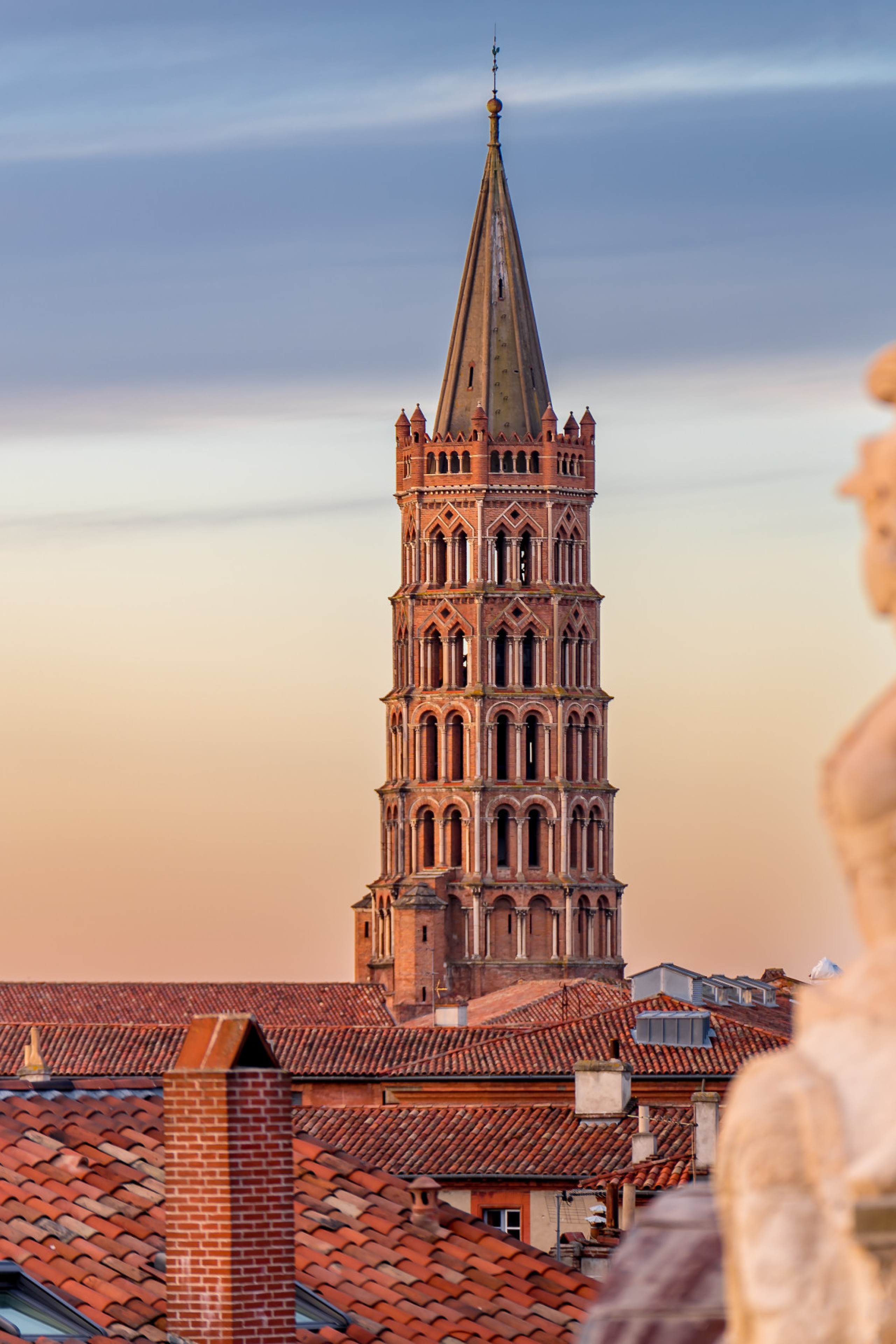
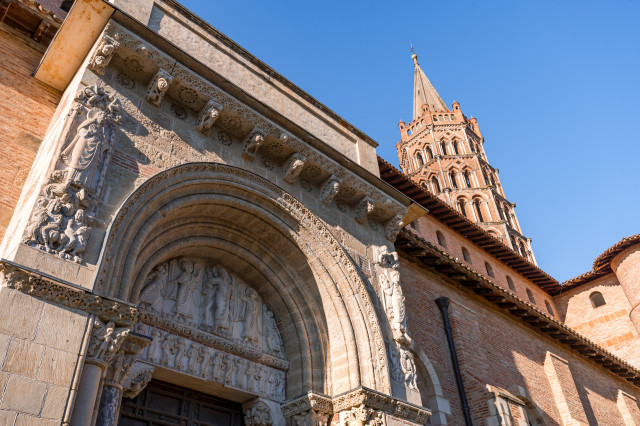
The use of these bricks flourished in the Middle Ages, and as the city grew in power and wealth, master builders embraced this local material to create some of the most impressive monuments in southern France. The monumental Basilique Saint-Sernin, a UNESCO World Heritage site and one of the largest Romanesque churches in Europe, stands as the pinnacle of this tradition - its soaring pink brick towers and arches a masterclass in warmth and grandeur.
Toulouse by Colours
By
The Sybarite Team
on
31st July 2026
Sara Darling peels back the layers of France’s famed "Pink City".
They call Toulouse La Ville Rose for good reason. As the afternoon sun dips, the city’s terracotta façades permeate peach, rose and burnt orange hues, casting an uniquely comforting blush over the historic centre. Since the 1st century AD, when the Romans claimed the area and established Tolosa, these elongated bricks were developed to be used in the main buildings, and when lit by the southern sun, have become the city’s defining aesthetic.
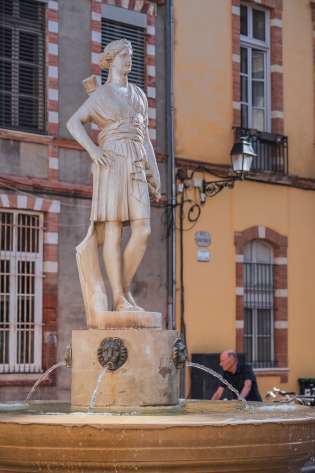
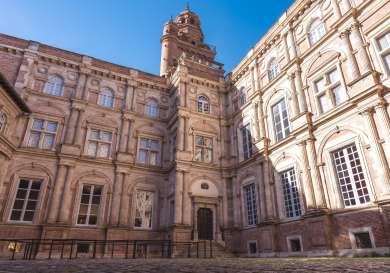
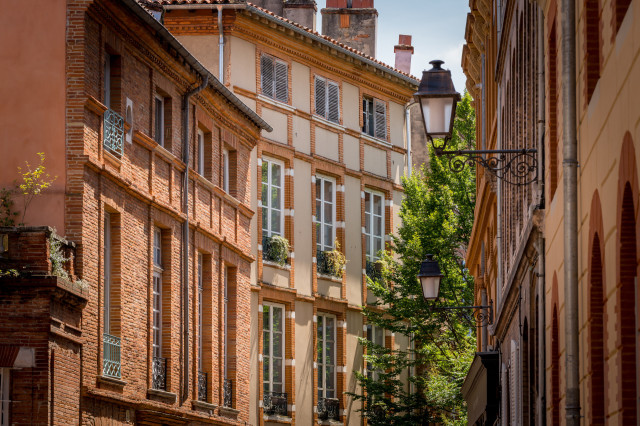
Nearby, the Couvent des Jacobins and many aristocratic hôtels particuliers (the city’s mansions) further demonstrate the versatility of brick, often accented with scarce white stone from the Pyrenees for doorways, windows and decorative details. These bricks offered more than beauty - they provided thermal insulation in the region’s hot summers and cold winters, were relatively inexpensive to produce, and could be made locally in large quantities.
Even today, this heritage continues to shape the city. Strict preservation rules protect the historic centre, ensuring that new buildings often pay homage to the traditional palette and materials. The result is a city that feels harmoniously layered: ancient bricks standing shoulder to shoulder with modern architecture, all bathed in that unmistakable rosy light.
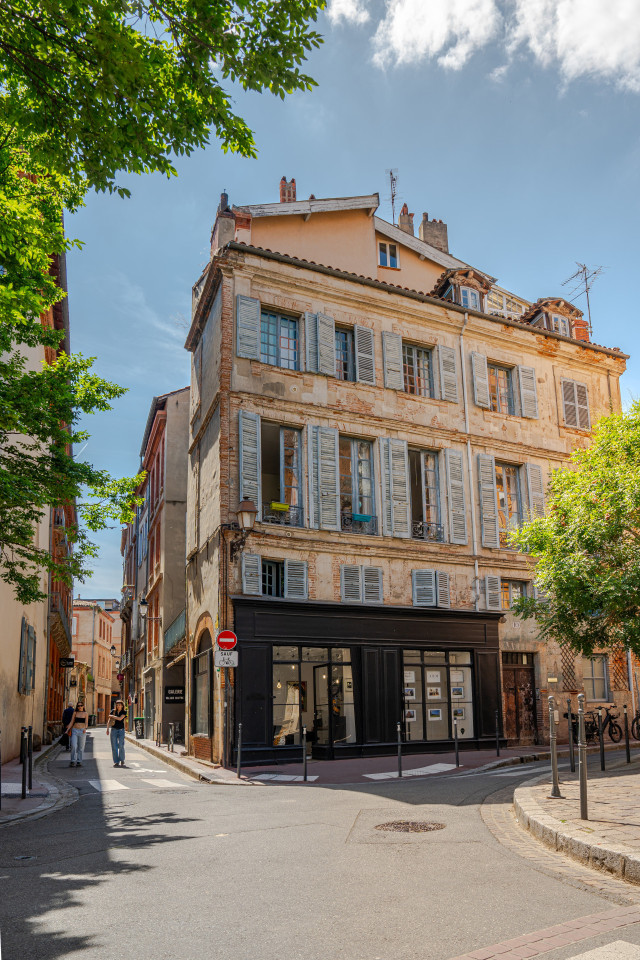
Yet, on my second visit to France's fourth largest city, I realised the colour is only the beginning of the story, and looking beyond the walls, Toulouse has countless layers to explore - one being the connection with another of the city’s dramatic hues - blue. In the city's 16th-century Golden Age, Isatis tinctoria (woad), a plant yielding a highly sought-after blue dye was sourced from the surrounding "Pays de Cocagne" region, and this "blue gold" funded stunning Renaissance mansions like the Hôtel d'Assézat, and established the foundation of the city's wealth; throughout the city, there are still accents of blue shutters, doorways and window frames that reference the wealthy past. Taking part in an intimate workshop with a local designer, I learned about the woad plant's transformation into a natural dye and left with my own handcrafted scarf. This legacy, now part of France’s Intangible Cultural Heritage, adds another beautiful layer of the city’s roots.
Unlike many European cities, Toulouse escaped much of the destruction that reshaped the continent during the twentieth century, and you will still find an extraordinary maze of medieval streets which are easily walkable by foot; districts are notable by restaurants, bars or galleries and the pretty historic centre feels less like sightseeing and more like discovering a living organism.
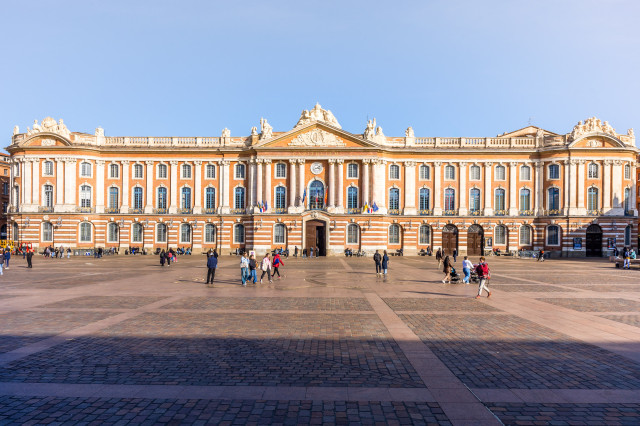
Some of my favourite moments in Toulouse were unplanned - an afternoon spent wandering the Jardin des Plantes, where peacocks strutted imperiously between the trees; and sharing a platter at Maison Soclo, with its leafy garden, languid terrace and tucked-away pool, was a delightful respite from the heat and felt like an insider’s secret. Even participating in a Gourmet Foodie Walking tour was a natural way to engage with the locals and learn more about this intriguing city.
Culture is never far from the surface. The recently reopened Musée des Augustins, fresh from a six-year restoration, brings together centuries of sculpture and painting within one of the city’s most beautiful historic settings, while the Muséum de Toulouse offers a different kind of immersion altogether, set among the greenery of the Jardin des Plantes, it boasts an impressive range of taxidermy exhibits and dinosaur skeletons. Then there is La Halle de la Machine, just southeast of the centre in the Piste des Géants district, where Toulouse’s flair for invention takes on a more theatrical form. Here, enormous mechanical creatures stride, snort and shudder into life, blurring the line between museum, performance and engineering feat. Watching the giant Minotaur move across the esplanade felt both futuristic and nostalgic, as though childhood wonder had been reimagined for adulthood.
In smaller galleries, the mood shifted again. Contemporary artists were exploring questions of migration, belonging and identity - themes that felt entirely at home in a city shaped by movement, exchange and reinvention. Perhaps that is because Toulouse itself has always existed at a crossroads. Positioned between Spain and France and shaped by its distinct Occitan heritage, it has long absorbed different influences while maintaining a strong sense of self. Its pioneering aviation history, forever tied to Aéropostale and Antoine de Saint-Exupéry, adds another layer of romance, but Toulouse wears its stories lightly - for all its rich history and cultural weight, it remains refreshingly unselfconscious.
By my final evening, I found myself immersed in conversation with the locals at La Cour des Consuls Hôtel & Spa - a hidden gem housed in two 18th-century townhouses on the atmospheric outside terrace. With a “design your own cocktail" menu, gourmet cuisine at Le Cénacle restaurant, and a Chill & Chic summer programme with live jazz and other themed events, this was the perfect end to an effortless stay in the city. I felt like I knew it a little better, and knew I would be welcomed back.
There was no defining moment, it simply worked its way under my skin through the changing light on ancient brick, new friends, hidden courtyards, gallery walls and market stalls. Many places demand attention, yet Toulouse left a long lasting impression: colour, texture, atmosphere and traces of stories. Perhaps that is what makes Toulouse so compelling. Not the pink brick, however beautiful it may be, but everything that lies beneath it.
Stay:
Hotel Le Grand Balcon: from £172 (€200) per night
Travel:
Direct flights with British Airways: London Heathrow / Stansted - from £39
Experiences:
- AHPY Dyeing Workshop: £47
- Toulouse Gourmet Walking Tour: £94
- Toulouse City Pass: £22 (highly recommended)
- Halle de la Machine: £10 -18 (discounted with City Pass)
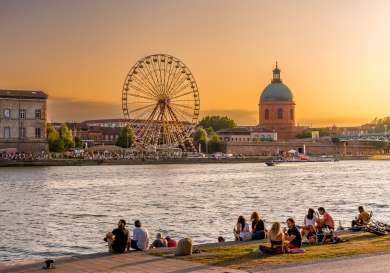
- Garonne River Cruise: £13 (£6 with City Pass)
Share this Article
You Might Also Like
-

What’s On Our Radar This Month: October 2026
From the hottest autumnal menus to sensual scents that pack a punch, here are 12 things on The Sybarite’s radar this October.
-
The St. Regis Maldives Vommuli Resort: The Platinum Standard of Maldivian Luxury
Baldwin Ho discovers barefoot luxury on the private island of Vommuli in the Dhaalu Atoll.
-

Aguas de Ibiza: A Luxury Family Escape to the White Isle
Kerene Barefield checks into Hotel Aguas de Ibiza, and discovers a luxurious haven perfectly suited for family bliss.
-
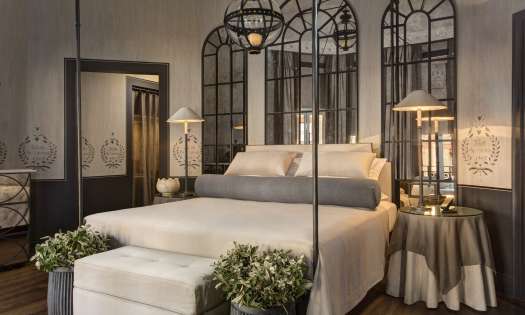
Checking In: The Franklin, Knightsbridge
Kirsty Welsh makes a strong case for an autumnal city escape at The Franklin, Knightsbridge.
-
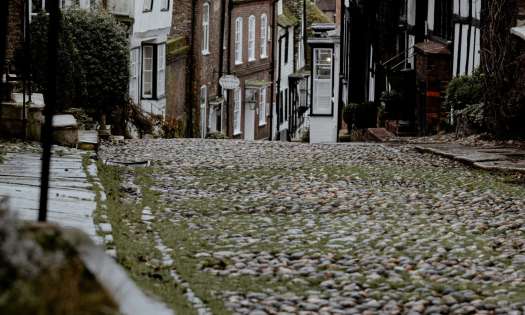
Rye is Britain's Answer to the Hamptons – and London's Stylish Set Can't Get Enough
For decades, there has been only one answer to the question of where New York's stylish set disappears each summer: the Hamptons. Now, London has its own equivalent.
-
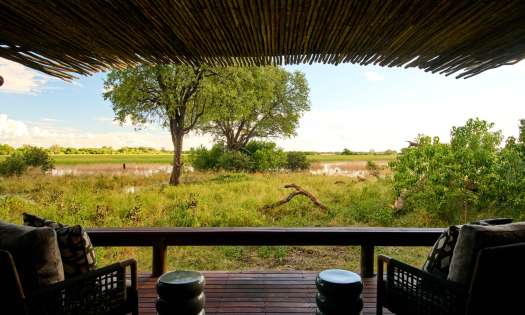

Sediba Sa Rona: A New Lesson on Luxury Botswana Safaris
Desert & Delta Safaris' newest lodge champions regenerative tourism, understated luxury and the joy of experiencing the Okavango Delta at nature's own pace, says Amira Arasteh.