Sarah Rodrigues takes a deep dive into Bermuda's culinary landscape to see how it's evolved and how traditions are being reimagined.
Think Bermuda, and what springs to mind? Well, there’s the mysterious ‘Triangle,’ of course - but there’s also the mermaid-worthy image of turquoise waters shimmering at the edges of pink sand beaches. For many years, the marketing focus has been on the latter, positioning Bermuda as an Atlantic idyll - because no, it’s not in the Caribbean, but roughly 900 miles north, about level with North Carolina.
Beyond the Brochures
The geography is something that surprises many - but so does the food scene that transcends coastlines and weather patterns.
Bermuda’s culinary landscape isn’t new - it’s intrinsic to its culture, and pinned to recipes that hark right back to centuries-old kitchens. What’s changing is the way that these traditions are being reinvigorated, reimagined and, perhaps most importantly, rediscovered and celebrated.
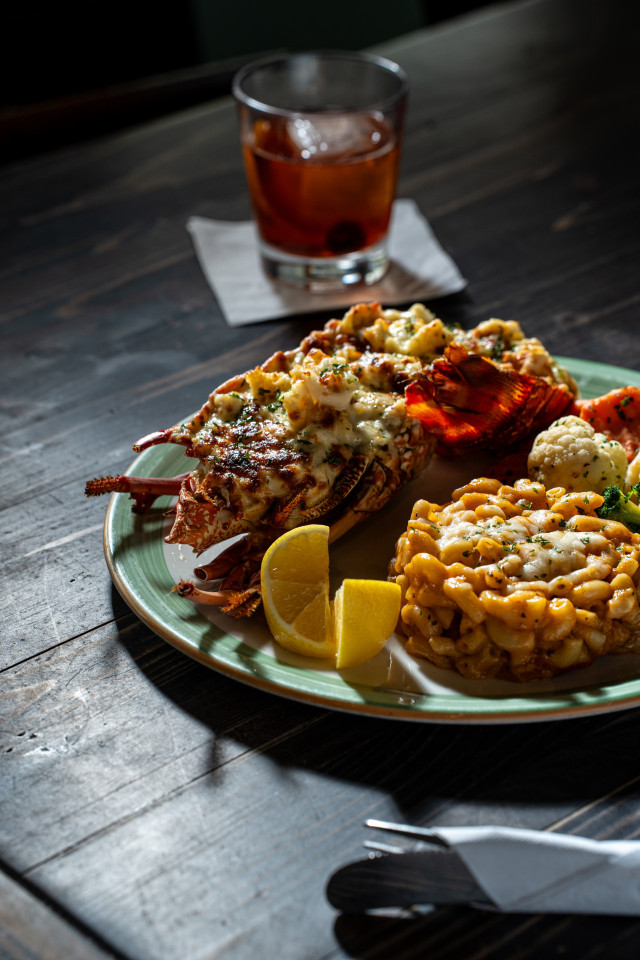
Surrounded as it is by water, seafood, naturally, takes centre stage in Bermudian cuisine. Wahoo, tuna, spiny lobster and snapper feature on most menus and are integral to many traditional dishes - and they’re not all season-dependent.
“Yellow fin tuna - now that’s a big, silly fish,” laughs Chef Richard Zuill, sous chef at the Fairmont Hamilton Princess 1609 Bar & Restaurant. “It’ll just swim right up to you with its mouth open, asking to be caught. You’ll see it in restaurants all over the island. Wahoo, too - whether as ceviche or in tacos, you’ll find some variation on it on most menus.”
For many, the most iconic Bermudian dish is fish chowder. A tomato-based soup with onions, carrots, celery, thyme and white fish, it’s given a mildly fiery kick with black rum and a sauce of sherry peppers (bird peppers steeped in sherry), often added at the table to suit individual tastes.
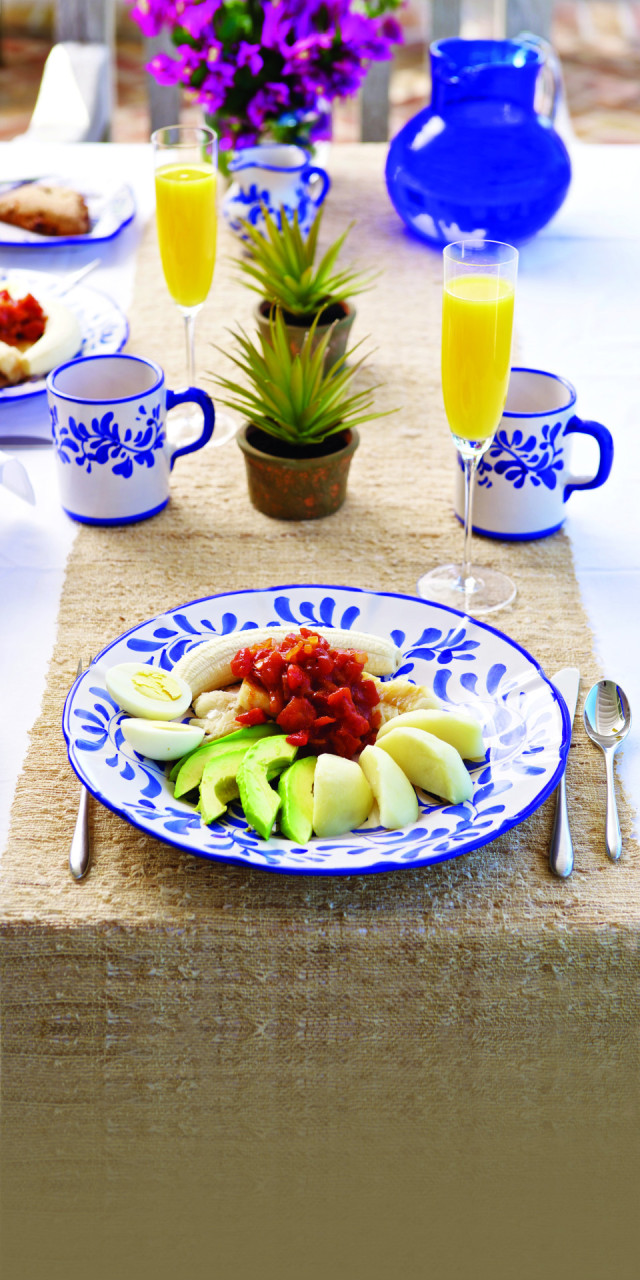
Others would point to Sunday’s traditional Bermuda Cod Fish breakfast - although how it’s made varies from household to household, as a survey from local magazine The Bermudian demonstrated in 2024. Salted cod, countered by the sweetness of banana, is served with potatoes. Other elements, such as onion and avocado, are more controversial. And then there’s the sauce spooned over the top - tomato? Melted butter? A white sauce combined with chopped, hard-boiled egg? A side of cornbread, or of johnnybread? And, while the components are plated separately, are you someone who mashes it all up on your plate, or spears just one or two ingredients at a time onto your fork?
The Plate Debate
However you choose to have it - and for most people, this is an ‘at home’ staple, although many mom-and-pop shops serve it up, too - Zuill doesn’t feel that the cod fish breakfast really says ‘Bermuda.’
“It’s an easy go-to for us to say it’s our national dish,” he shrugs, “but it leans heavily on Portuguese influences, so I don’t feel that it truly represents the island. What we do best is what I call ‘culture shock cuisine’: if there’s one dish that says ‘Bermuda’, it’s our fish sandwich.”
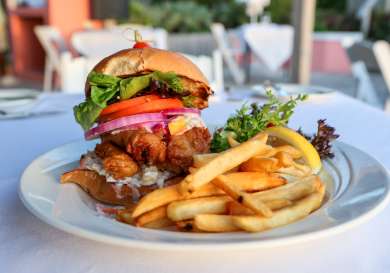
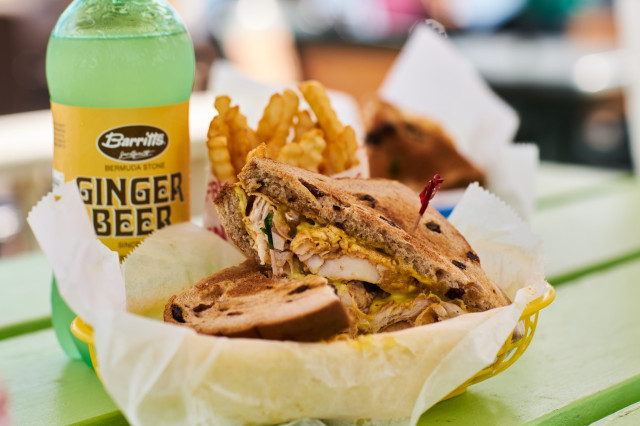
The fish sandwich is a must-try during a visit. It combines sweet and savoury elements, with deep-fried fish served in raisin bread and smothered with tartare sauce and coleslaw. Many vendors will up the ante with cheese, hot sauce, lettuce and tomato: ‘the works.’ Either way, it’s a beloved island classic, with the lively debate around who does it best almost as fiercely enjoyed by locals as the sandwich itself - so much so that, back in 2015, the Bermuda Tourism Authority held a competition to settle the question. The winner was Rosa’s Cantina, a Front Street institution - but others will still say Mama Angie’s, or The Seaside Grill. Your best bet is probably to try a few and draw your own conclusions.
A Rum Do
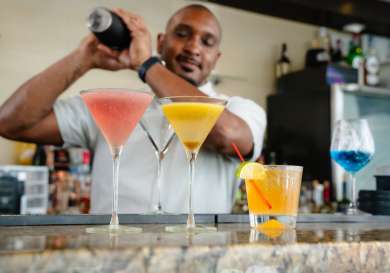
Both the cod fish breakfast and the fish sandwich are also celebrated as hangover cures and, as Zuill tells me, alcohol is a huge cultural aspect of life on the island - “so much so that we have a song called ‘Bermudians Love to Drink’” he observes.
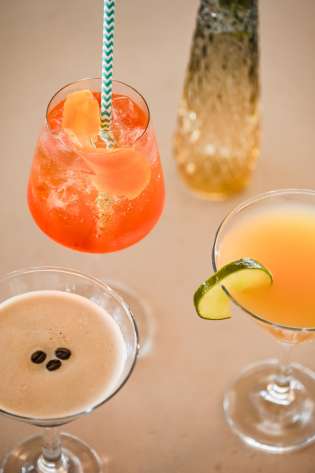
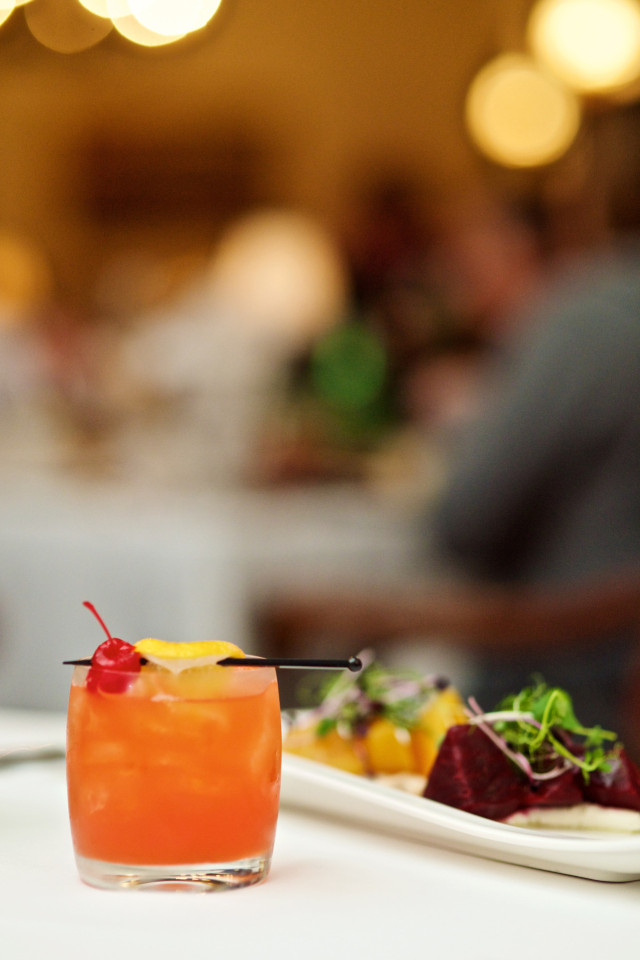
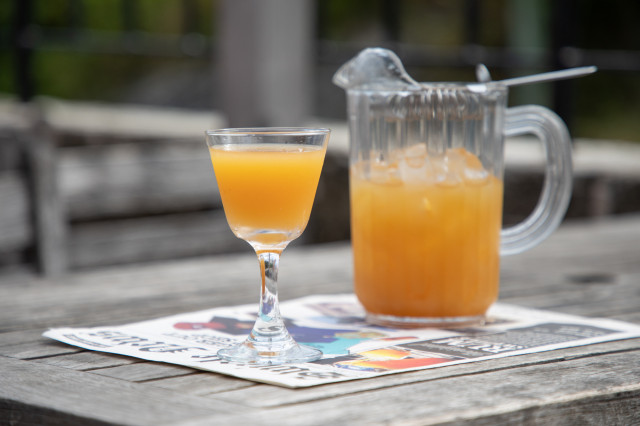
The rum swizzle is Bermuda’s unofficial national drink, and it’s said to have first been conceived at the historic Swizzle Inn. Established in 1932, signs encourage you to ‘Swizzle Inn … Swagger Out’ - although after a couple of these potent drinks, you might be more inclined to stumble out. Combining rum with bitters and citrus juices, the drink is deceptively quaffable - one goes down much too easily to stop there.
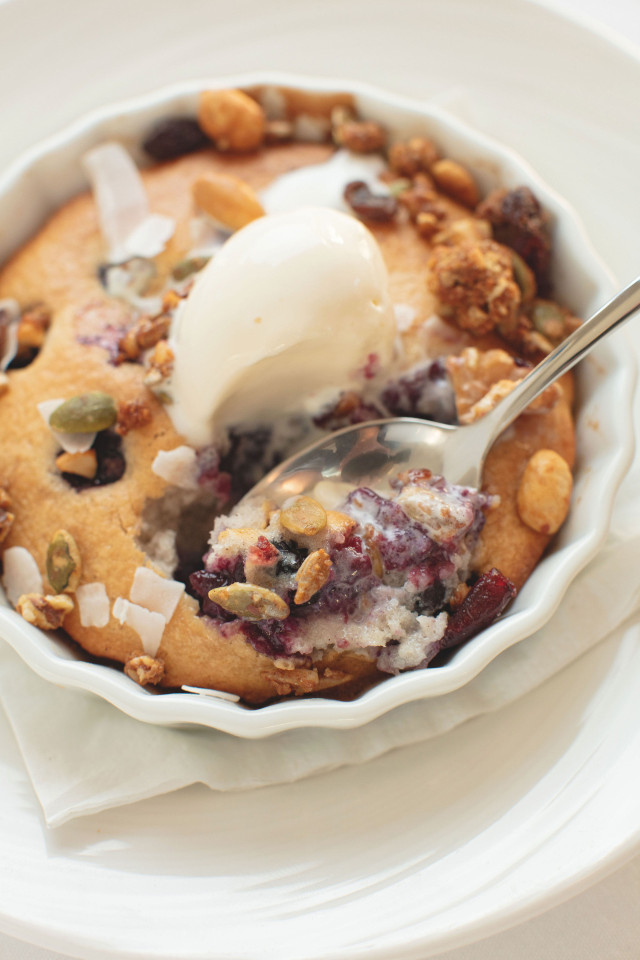
Rum - the most popular is Gosling’s Black Seal, by the way, which happens to be the island’s oldest business, dating back to 1806 - also features in the sticky, Bundt-cake-style rum cake. With butter and sugar contributing to its glaze, you might prefer to experience rum in this form: baking burns off most of the boozy effect, leaving the rich, dark flavour intact.
Reinventing - and Reconnecting With - Tradition
And yes - these time-honoured dishes retain a central significance in Bermudian food culture, but in recent years, chefs have started to branch out, reinterpreting childhood favourites with bold contemporary twists. Zuill, for instance, takes the traditional rum cake topping of almonds and elevates it with macaroons, which use the almond flour.
One factor influencing Bermuda’s culinary evolution is its growing (no pun) emphasis on locally sourced ingredients. Covering just 21 square miles, it’s necessarily reliant, to some extent, on imported goods. There are no cattle farms, for example, so beef is always brought in from elsewhere. Fishing is strictly regulated, to keep supplies plentiful (where would the fish sandwich be otherwise!?) and even though invasive species, such as lionfish, are subject to a “if you can’t beat ‘em, eat ‘em” approach, only a handful of divers are licensed to hunt them.
Additionally, seasonal embargoes are in place to prevent importation of fresh produce when the locally grown equivalent is seasonally available. But that’s only part of the picture. Train your eye inwards, and you’ll find that many islanders are benefitting from the island’s bounty of their own accord.
On an afternoon walk through the untamed Cooper’s Nature Reserve with local vegan chef Doreen Williams, founder of Wild Herbs N Plants Bermuda, we were introduced to a host of edible and medicinal plants, from Vitamin C-rich nasturtium and wild fennel, to wild mustard greens and omega-3 packed sea purslane.
“Eating from the land was common practice in the old days,” says Doreen. “My grandmother had twelve children to feed, so using resources readily available was a way of survival - but I feel that this survival mode is coming back, not necessarily because people can’t afford to buy food, but because they are experiencing the health impacts of a processed diet.” From her own experience, she has witnessed her elderly diabetic father’s health improve drastically after adopting a plant-based diet - something that she also attributes her own robust wellbeing to.
Break The Chain
Look though you might, you won’t see a McDonalds or Burger King here. The one exception is KFC, just off the main Front Street strip, by Queen Elizabeth Park. It was established before 1977’s ‘Prohibited Restaurants Act’ was passed - but even this, as a franchise, is run according to local business regulations.
It’s a concept that Zuill completely backs. “We’re a small island, with a number of influences,” he says. “It’s important to preserve and showcase local identity through food - and to encourage diners to enjoy what’s on offer, too.”
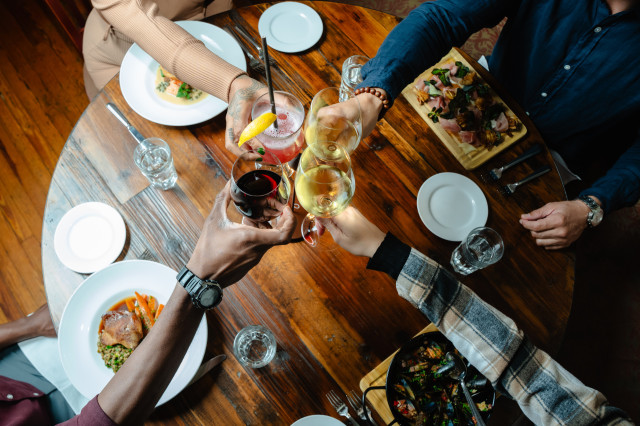
A major showcase for the island’s culinary offerings is Bermuda Restaurant Weeks. Organised by the Bermuda Tourism Authority, the event runs from mid-January to mid-February and had its inception in 2011, in an effort to encourage eating out during a traditionally quiet period. Participating establishments usually offer specially designed menus at set prices, and chefs seize the opportunity to showcase their signature dishes and elevate customary ones. What started as a promotional campaign has become more akin to festival, or cultural celebration, for locals and tourists alike.
Bermudian beaches aren’t likely to disappear from tourist brochures any time soon. Even so, visitors will find that it’s not just the shorelines that are the island’s signature - it’s what you eat beside them, too. And, of course, what you wash it down with.
Sarah Rodrigues stayed at the Rosewood Bermuda. Nightly rates are from $600 (around £437), room only.
British Airways flies from London Heathrow to Bermuda five times weekly (increasing to seven times weekly from March to October).Return economy fares are from around £891.
For decades, there has been only one answer to the question of where New York's stylish set disappears each summer: the Hamptons. Now, London has its own equivalent.
Desert & Delta Safaris' newest lodge champions regenerative tourism, understated luxury and the joy of experiencing the Okavango Delta at nature's own pace, says Amira Arasteh.
Located in the heart of Merano, Villa Eden is a peaceful sanctuary dedicated to wellness and transformative treatments. Below, read Sara Darling's honest take on the Alpine enclave.
From classic Negronis in Mayfair to truffle, mezcal, pandan, rhubarb, Earl Grey and coffee-spiked twists, these are the best Negronis in London to drink this September.
Chef Victor Garvey boasts an impressive CV, with previous roles at the likes of El Bulli, Picasso at the Bellagio in Las Vegas and Noma in Copenhagen. Setting his eyes on London, he opened Rambla in 2017, and later Sola in 2019, which scooped a Michelin star and 3 AA Rosettes. His latest venture, Mater1a, taps into Garvey's years spent in Japan.
Mayfair can make almost anything luxurious. The harder trick is knowing when to leave well enough alone. At MIKO Mei Fair, the luxury is in the cooking.
From the bustle of Regent Street to the calm of its luxurious interiors, Hotel Café Royal offers an escape in the very heart of London, says Sarah Rodrigues.
In this edition of Meet The Chef, Romy Gill tells The Sybarite about the start of a new creative chapter, the inspiration behind her cooking, and her proudest achievements to date.