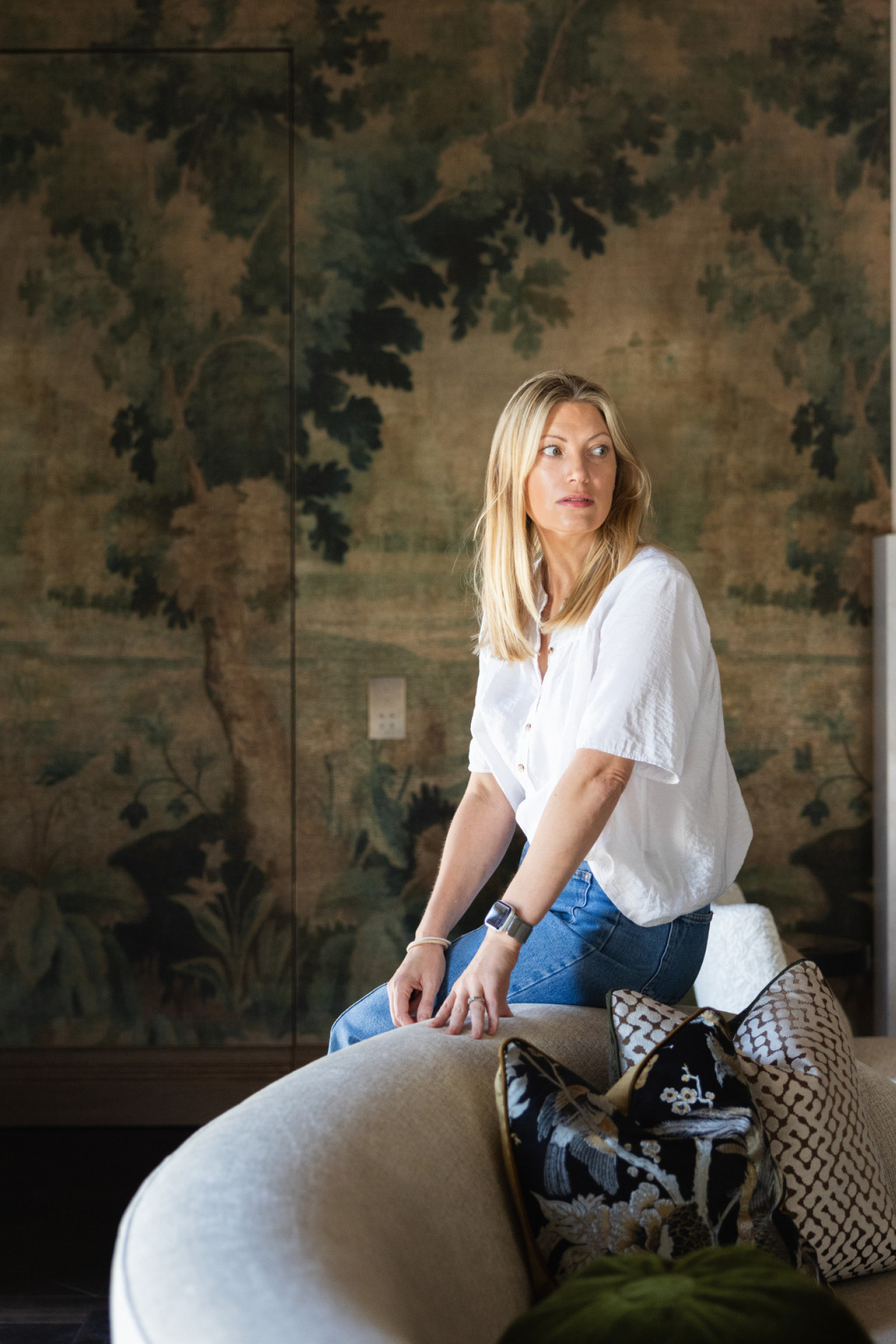
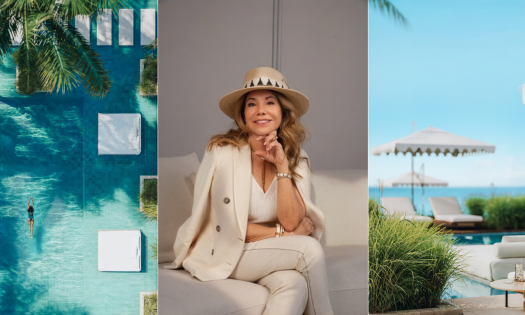
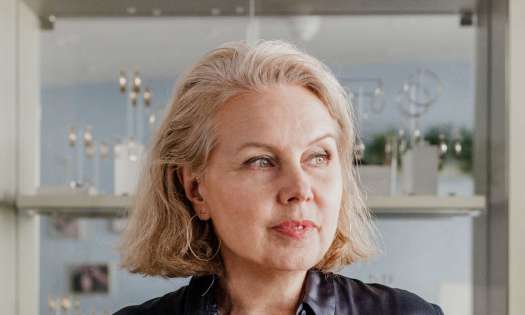
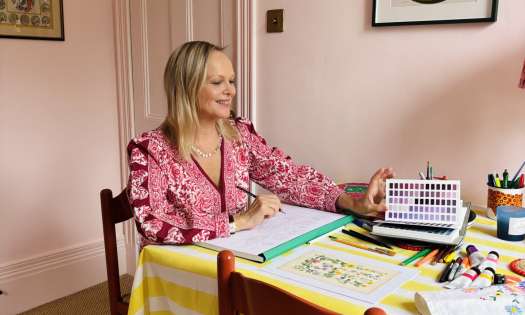
In This edition of Women Who Launch, The Sybarite caught up with interior designer Portia Fox to discuss her fascinating career arc, why London continues to inspire her, and her trend predictions for the remainder of 2026.
Portia Fox studio is renowned for creating spaces that fuse functionality with elegance and luxury. From jaw-dropping chalets to extraordinary family homes, Fox and her team specialise in residential and commercial design across the UK, Europe, the Middle East, and beyond. At the heart of their design ethos is a deep appreciation for craftsmanship, a keen eye for detail, and design elements that resonate on a personal level.
Portia, how would you describe your design ethos?
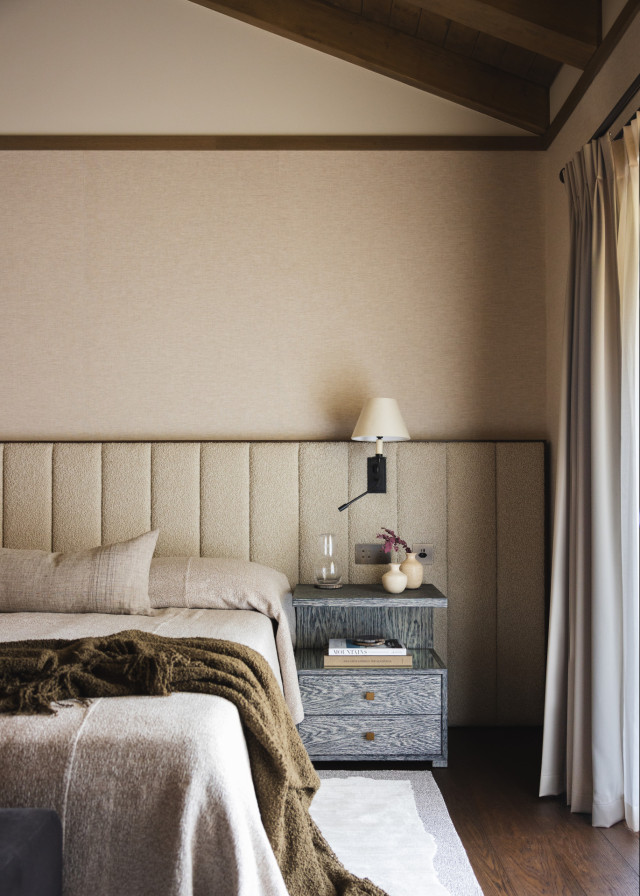
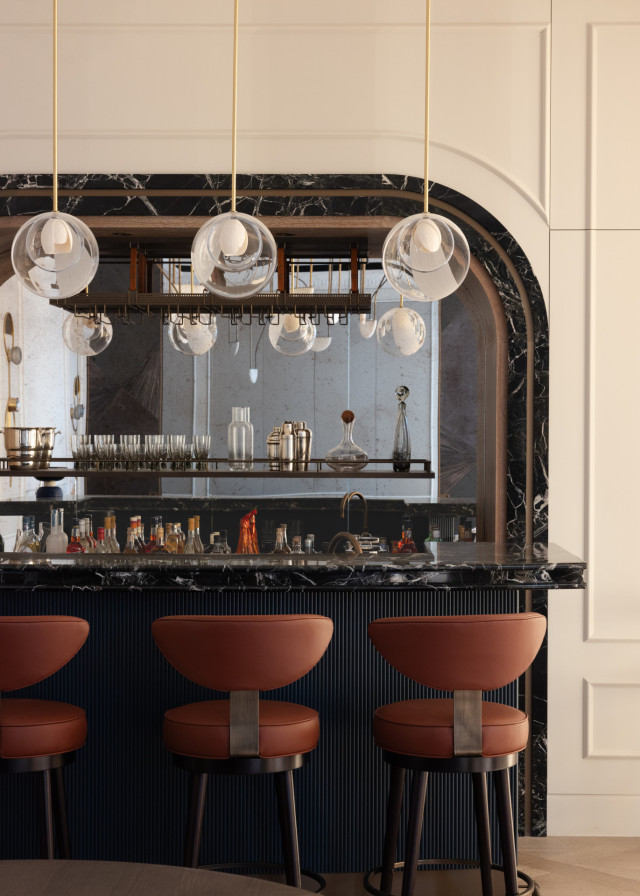
Our signature style is a balance of sophistication and warmth, blending contemporary elements with classic influences. I’d say that our ethos as a studio is defined by meticulous attention to detail and a deep appreciation for craftsmanship. Whenever possible, we love to curate and add bespoke furniture, art, and finishes to our projects, aiming to create timeless and layered interiors that feel both luxurious and deeply personal.
Can you briefly talk us through your career arc? When did you know you wanted to become an interior designer?
I studied textile design, which sparked my fascination with materials, textures and finishes, and naturally led me towards a career in interior design. Before founding my studio in 2017, I worked at established design firms such as Katharine Pooley and collaborated on international projects with renowned developers including Candy & Candy. These formative years gave me invaluable experience in high-end, bespoke interiors and confirmed my desire to create emotionally resonant spaces of my own.
Where do you seek inspiration for new projects?
Inspiration is everywhere, and I find that the most compelling designs emerge from a confluence of diverse influences. My international travels, for both business and pleasure, play a significant role in shaping my creative perspective, exposing me to different cultural aesthetics, materials, and architectural traditions.
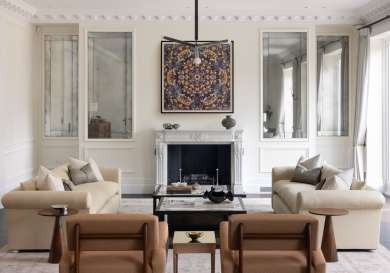
London, however, remains a constant source of inspiration. The city offers an incredibly rich architectural landscape, from stunning period properties with intricate detailing and historical charm to cutting-edge contemporary homes. This diversity allows us to work across a wide range of design styles and influences.
The city’s multicultural and visionary clientele adds another exciting dimension, as each project comes with its own unique journey, personal stories, and aesthetic inspirations. This makes every design process dynamic and deeply engaging.
What is the most satisfying aspect of your job?
Seeing a project come together in its entirety, from the initial concept through to the final styling, is incredibly rewarding. The most gratifying moments are when a client truly feels at home in their space. After (often) years of working closely with clients to understand their lifestyles and habits, it is truly satisfying to know that the design not only reflects their aesthetic preferences but also enhances the way they live day-to-day.
How do you balance functionality with elegance and luxury? Can you share three tips on how to achieve this in the kitchen?
Balancing functionality and elegance begins with understanding how a space will be used. In the kitchen specifically, I would suggest three key principles:
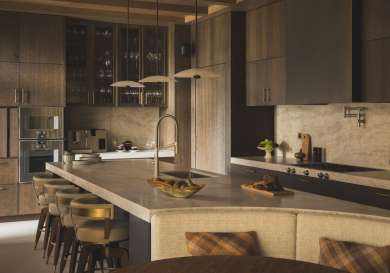
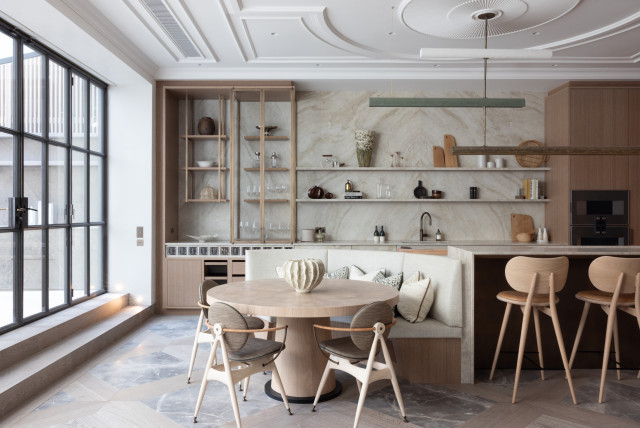
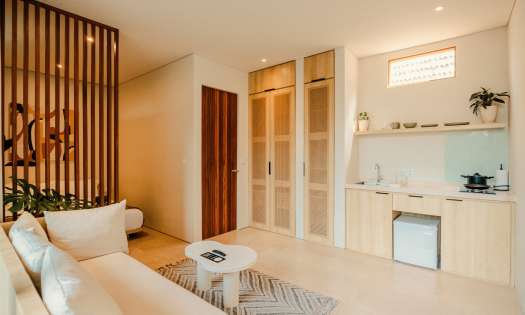
A successful kitchen begins with intelligent spatial planning. Understanding how the space will be used on a day-to-day basis is essential including cooking, storage and entertaining. Ensuring that key elements such as the hob, sink and refrigeration are positioned intuitively allows everything to be within easy reach. Clear sightlines and well-considered circulation routes also help the space function seamlessly, particularly in open-plan environments where the kitchen is required to integrate harmoniously with adjoining living areas.
Integrating appliances within bespoke joinery allows the functional elements of the space to recede, preventing the kitchen from feeling overly utilitarian. Thoughtfully designed cabinetry, pocket doors and concealed storage such as a pantry can hide everyday appliances when not in use, maintaining a sense of calm within the kitchen.
High-quality materials and carefully considered detailing are what truly elevate a kitchen. Natural stone surfaces, beautifully finished timbers and well-chosen hardware add depth to the space whilst ensuring longevity of a kitchen given the durable nature of these materials.
What are some of the most underrated ways in which we can use colour to transform a space?
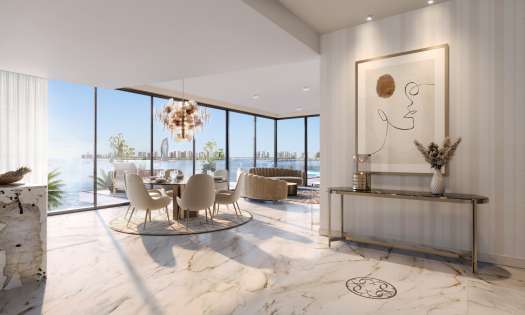
Flooring is often overlooked as an opportunity for colour, yet it can be one of the most effective ways to introduce depth to an interior. Using coloured marbles, with a natural variation in vein and laid in varying patterns can create visual interest within an otherwise pared-back scheme.
You founded your studio back in 2017—what was the biggest hurdle you had to overcome when launching your business?
Founding the studio was a much bigger shift than I initially anticipated. Moving from being an employed designer to running a creative business means you’re suddenly wearing many hats, from design to people, finances to strategy, all at once. It’s demanding, but also hugely rewarding.
The early years were a real learning curve. We had a child in our second year, then Covid arrived not long after, and I lost my father during that same period. It was a time that required resilience and perspective, and it shaped how I lead the studio.
Looking back, those experiences helped define our ethos. We value clarity, collaboration and calm, staying closely involved in our projects while building a studio culture that supports thoughtful design, longevity and care in everything we do.
What advice would you give to someone looking to set up their own studio?
Design with intention. Every element in a space should serve a purpose - whether functional, aesthetic, or emotional. Thoughtful design isn’t just about filling a room with beautiful objects; it’s about curating an environment that enhances the way you live. From the placement of furniture to the selection of materials, consider how each choice contributes to comfort, flow, and atmosphere.
What does a typical day look like for you?
As an interior designer, no two days are ever quite the same, so it’s more useful to think in terms of a typical week. Each week I have one fixed, non-negotiable workshop with the teams working across our projects. Depending on the stage, this might involve early concept brainstorming, talking through layouts or joinery drawings, reviewing finishes, signing off bespoke furniture, budget reviews, or running through contractors’ shop drawings. It’s important to me to stay closely connected to every project and to the team delivering it, while also giving them the space between meetings to feel genuine ownership and accountability.
Alongside this, I’m often working on one or two pitches. This is very much my role as Creative Director - shaping the overall vision we want to present and working closely with my partner on resourcing and strategy to inform the commercial proposal. On average, I set aside around a day a week for pitch-related work, although this can flex significantly depending on the time of year.
Site visits, external consultant meetings and client presentations are also a constant. I like to stay hands-on, so leading or supporting client presentations forms a key part of most weeks - from preparation to the presentation itself, to the all-important debrief afterwards. With overseas projects, in-person meetings can be particularly intense, often taking a full day alongside travel, followed by regular video calls to ensure alignment.
I also deliberately ring-fence around half a day a week for inspiration including meeting with select suppliers, makers and partners, or visiting exhibitions, events and galleries. Staying curious and exposed to new ideas is essential to how the studio evolves.
Finally, I reserve a full day each week to work on the business rather than in it. This includes company finances and forecasting, contracts, administration, HR and PR - all the behind-the-scenes work that ensures the studio remains healthy, focused and able to do its best creative work.
Which interior trends do you predict will be big for 2026?
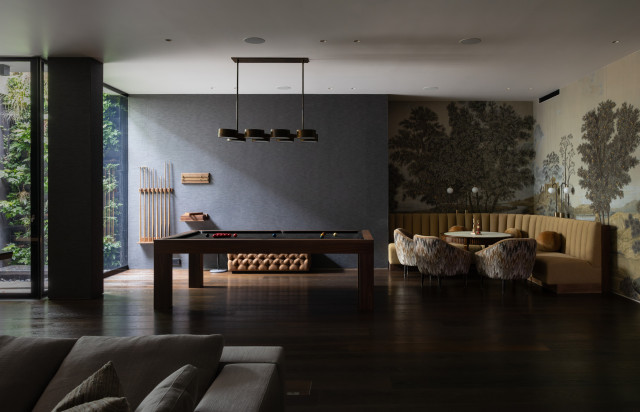
I anticipate a growing demand for dedicated entertainment spaces, from games rooms for adults to immersive playrooms for children. As we all try to step away from screens, doing so now requires real intention as it’s incredibly easy to be pulled back into digital habits.
Clients are increasingly requesting spaces designed to refocus, reconnect, and interact through play, and I see these rooms as a kind of wellness zone for the mind: places that nurture presence, focus, and genuine connection. Until we find better ways to compartmentalise phones and tablets, we’ll need to intentionally create and protect screen-free environments, which is why games rooms will continue to rise in popularity.
Do you have anything exciting in the pipeline?
The year ahead feels particularly exciting. We have three beautiful London projects completing this summer, each very different in character but all deeply rooted in craft, detail and longevity.
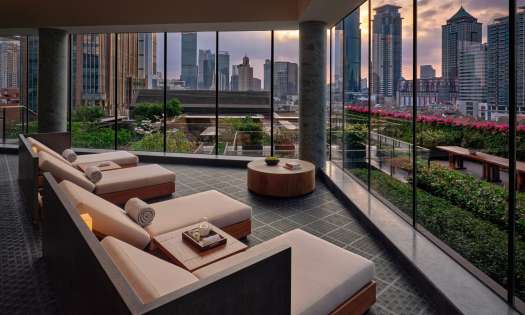
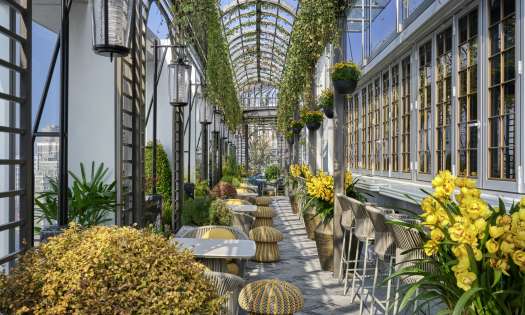
Internationally, we’ll see the completion of AVA Dorchester Collection on Palm Jumeirah in Dubai, a collection of 17 private residences alongside a suite of shared amenities that we designed entirely from the ground up. It’s a project that has allowed us to think holistically, from architecture-led interiors through to the finest layers of detail.
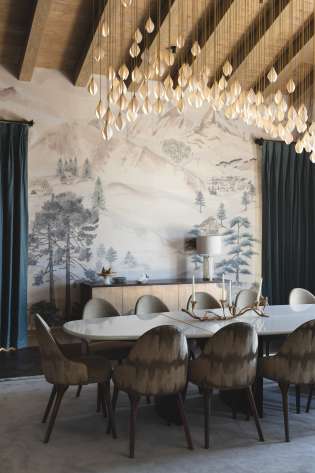
In Switzerland, we’re continuing work on a substantial private chalet which will really begin to take shape over the course of 2026, with handover planned for early 2027. It’s a wonderfully immersive project and one we’re very much looking forward to bringing to life.
Alongside this, we have a project in Jersey, a growing number of commissions in Dubai, and we’ll also be launching our new regional offices there this year. It feels like a period of momentum and evolution for the studio, with a very full and inspiring pipeline ahead.
More Stories You’ll Love
Meet Interior Designer Rebecca Hughes
Meet Handbag Designer Tyler Ellis
Kristyna Jandova speaks to Maria Kragmann, founder of M-KAE