Phoebe Tatham explores how we can reduce our impact on the planet by making small, conscious changes within the home. Below, discover our curated round-up of some of the best sustainable buys including refillable sprays and 'upcycled' home mists.
World Environment Day has been celebrated annually on 5 June since 1973. Spearheaded by the United Nations Environment Programme (UNEP), the significant day is celebrated by millions across the globe, and ultimately serves to encourage worldwide awareness and action for the environment.
It’s a powerful reminder that we all have a part to play in protecting the environment - no matter how small that may be. To help you minimise your environmental footprint in the home, we sought top tips from smol’s cleaning expert, Catherine Green.
Catherine, how harmful are everyday cleaning products?
Cleaning products are of course important in keeping our homes clean, but some ingredients can have unintended environmental consequences. For example, certain chemicals such as PFAS (often called "forever chemicals") are highly persistent and don't break down easily once they enter the environment. While PFAS are more commonly associated with products designed to repel water, grease and stains, such as waterproofing treatments, stain-resistant coatings and some cosmetics, concerns about their long-term environmental impact have led to increasing scrutiny from scientists and regulators.
Some cleaning products can also contribute to issues such as water pollution, particularly if they contain ingredients that are slow to biodegrade or are used in large amounts. Certain formulations may also cause skin irritation, allergic reactions or respiratory irritation, especially for people with sensitivities.
What sort of products or ingredients tend to be the most detrimental to the environment?
Aside from products containing PFAS, those containing phosphates can also be problematic. Although their use has been restricted in many household products, phosphates can contribute to excessive algae growth in rivers and lakes, reducing oxygen levels and harming aquatic life. Another growing concern is plastic cleaning tools and disposable wipes. Plastic sponges, brushes, wipes and microfibre cloths can release microplastic fibres during use and washing, contributing to plastic pollution in waterways. (It's thought up to 30% of microplastics in our oceans comes from washing synthetic clothing).
What are some of the easiest sustainable cleaning hacks out there?
Choose concentrated products. Many traditional cleaning products contain large amounts of water, which increases packaging, transport emissions and storage requirements. Concentrated products reduce that unnecessary bulk. It also helps to reduce single-use plastics.
Wash full loads of laundry and use lower temperatures where suitable. This can significantly reduce energy use.
Rethink your cleaning tools. Reusable cloths, plant-based sponges and plastic-free alternatives can help reduce the amount of plastic entering the waste stream.
Avoid buying a different cleaner for every room. A high-performing multi purpose cleaner can often tackle the majority of cleaning jobs around the home, saving both money and cupboard space.
Looking to make some changes of your own? Below, we’ve rounded up some of the best sustainable home buys that are as kind to the planet as they are to your living space.
Kinfill
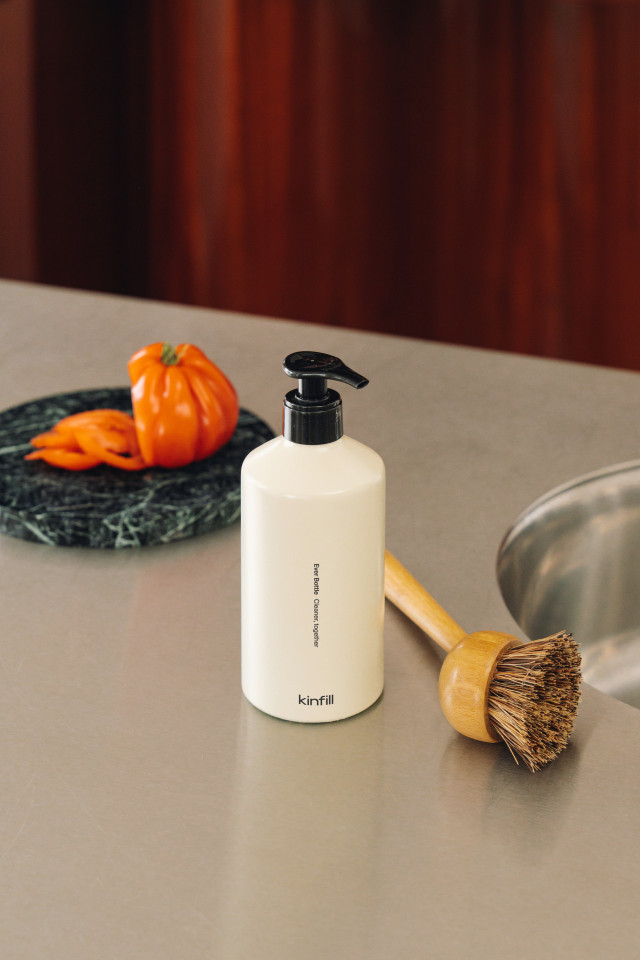
B-Corp Kinfill has made it their mission to reduce single-use plastics and minimise unnecessary plastic exposure. Embracing a circular approach, many of their cleaning products are refillable via a monthly refill system, while their concentrated formulas (a move which helps to reduce transport emissions!) are free from toxic ingredients and made with safe components. We’ve got our eye on the Multi Surface Cleaner which comes in two heavenly scents: Ambrette and Tangerine.
kinfill.com
UpCircle
UpCircle’s mission is evident from the brand’s very name. Upcycling and the circular economy sit at the heart of everything they do. Founded by brother and sister duo, Anna and Will, the brand sells a plethora of beauty and home products made from ethical, sustainable, and fair trade ingredients. Their Home Mist, for instance, is made from upcycled grapefruit water from the food and drinks industry.
upcirclebeauty.com
COAT paints
COAT prides itself as the world's first Climate Positive and B Corp certified paint company. In a bid to tackle overconsumption and reduce waste, the brand ensures that every COAT tin is freshly made to order. Beyond this, they’re leading the pack with their innovative pre-painted Peel & Stick Samples, whilst ensuring that their entire range is water-based and low toxin (VOC).
coatpaints.com
London & Avalon
Homeware and lifestyle brand London & Avalon has long woven sustainability into their mission. Notably, they are the first Bed Linen company to have been awarded with the Butterfly Mark by Positive Luxury - an independent sustainability certification designed specifically for luxury brands. The brand uses GOTS certified organic cotton, GRS and Oeko-Tex® Standard 100 certified materials, and FSC certified paper products. Looking ahead, the brand plans to introduce an upcycling project whereby the scraps from prototypes and product samples will be transformed into pyjamas and night shirts.
londonandavalon.com
Smol
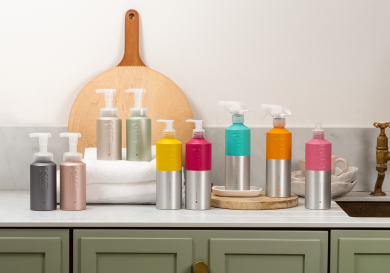
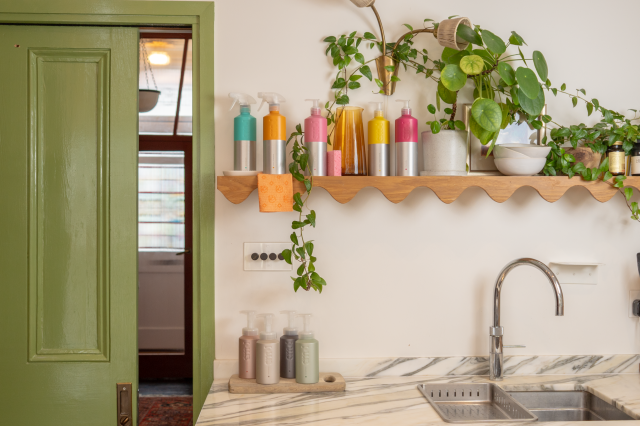
Launched in 2018, homecare brand smol creates products that pack a punch whilst also being kind to the planet and skin. With a strong focus on sustainability, smol sells dishwasher tablets and laundry capsules with less chemicals, plastic and carbon, as well as refillable bottles (think washing up liquid and handwash) made from 100% recycled aluminium. The cherry on top? All of their card packaging is 100% plastic free.
smol.com/uk